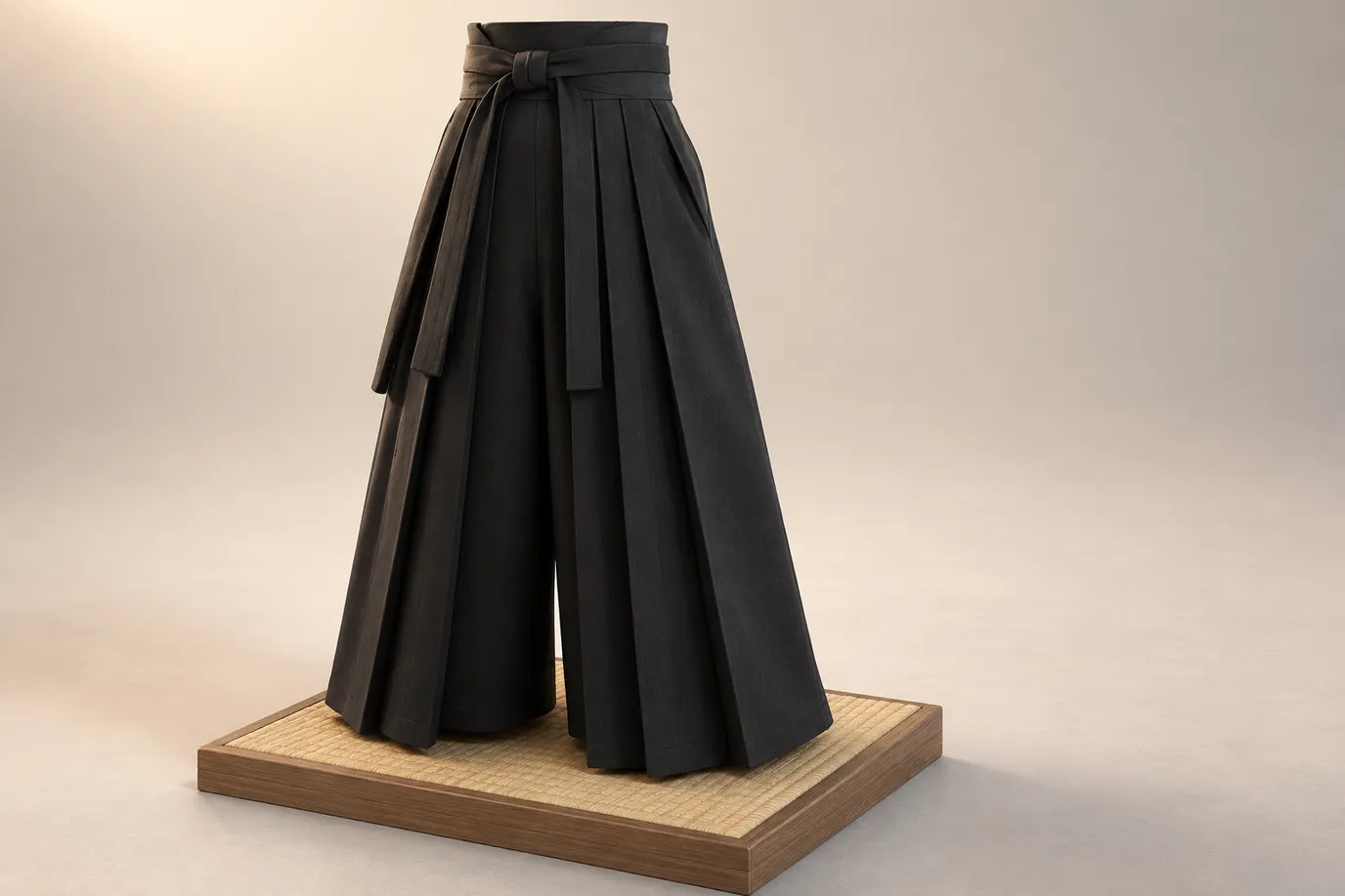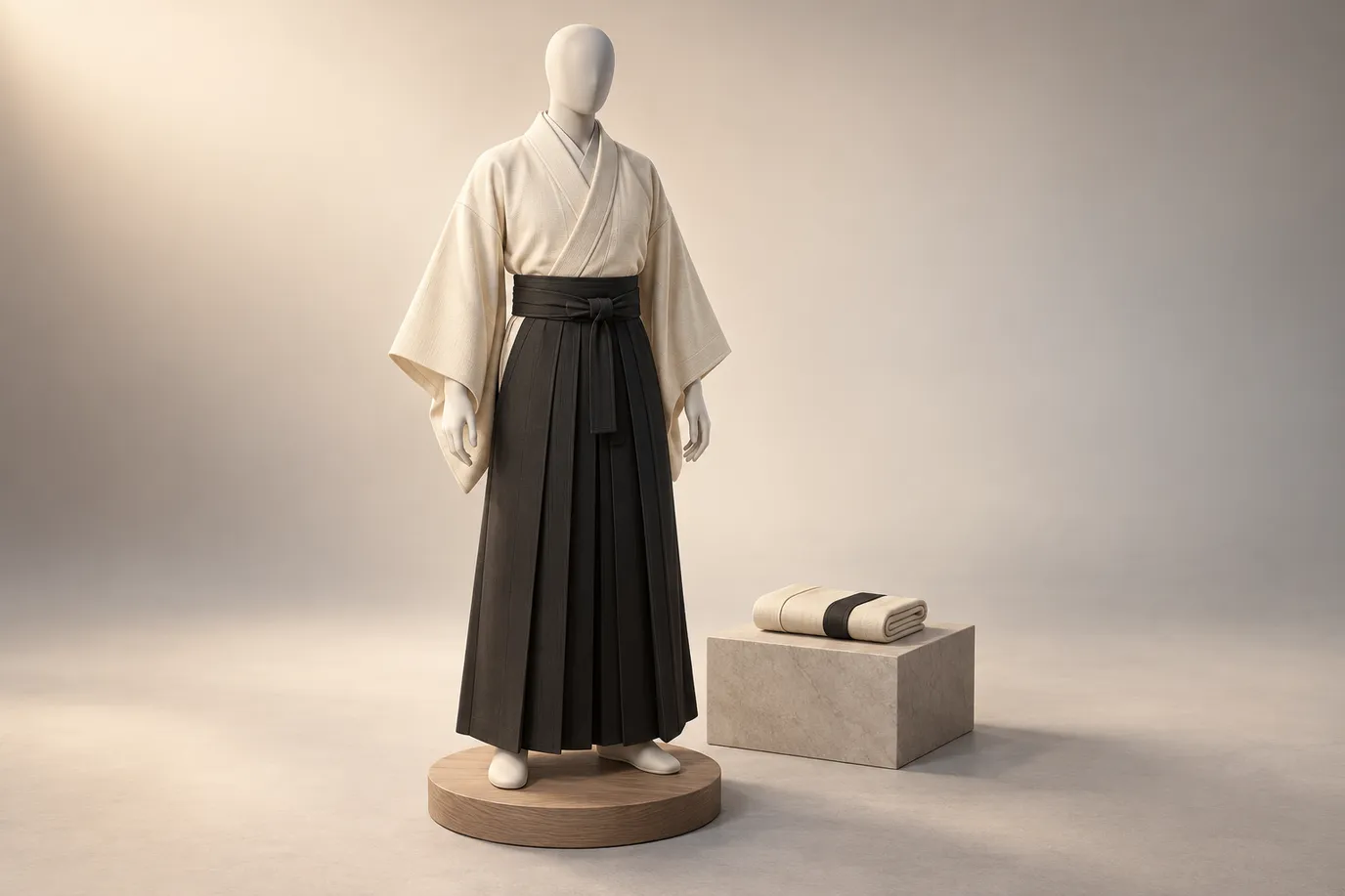

A hakama kimono outfit is a kimono worn with a pleated hakama tied over it. The kimono goes on first and is closed with an obi, then the hakama is tied over the obi so the pleats fall from the waist. Men often add a haori for formal events.
Key Takeaways
- Layering order: The usual order is: juban (undergarment), kimono, obi, hakama, and optionally a haori for men.
- Gender-specific tying: Men typically tie the hakama over the obi, while women often tie it higher with the obi showing above.
- Versatility: Kimono and hakama sets are suitable for formal events, graduation, and cultural celebrations.
- Formality: The hakama is commonly read as a mark of formality, which is why it still appears at weddings, ceremonies and graduations.
- Set details: Hakama Pant lists what each set includes, so confirm the pieces and size before ordering.
What a hakama kimono outfit is
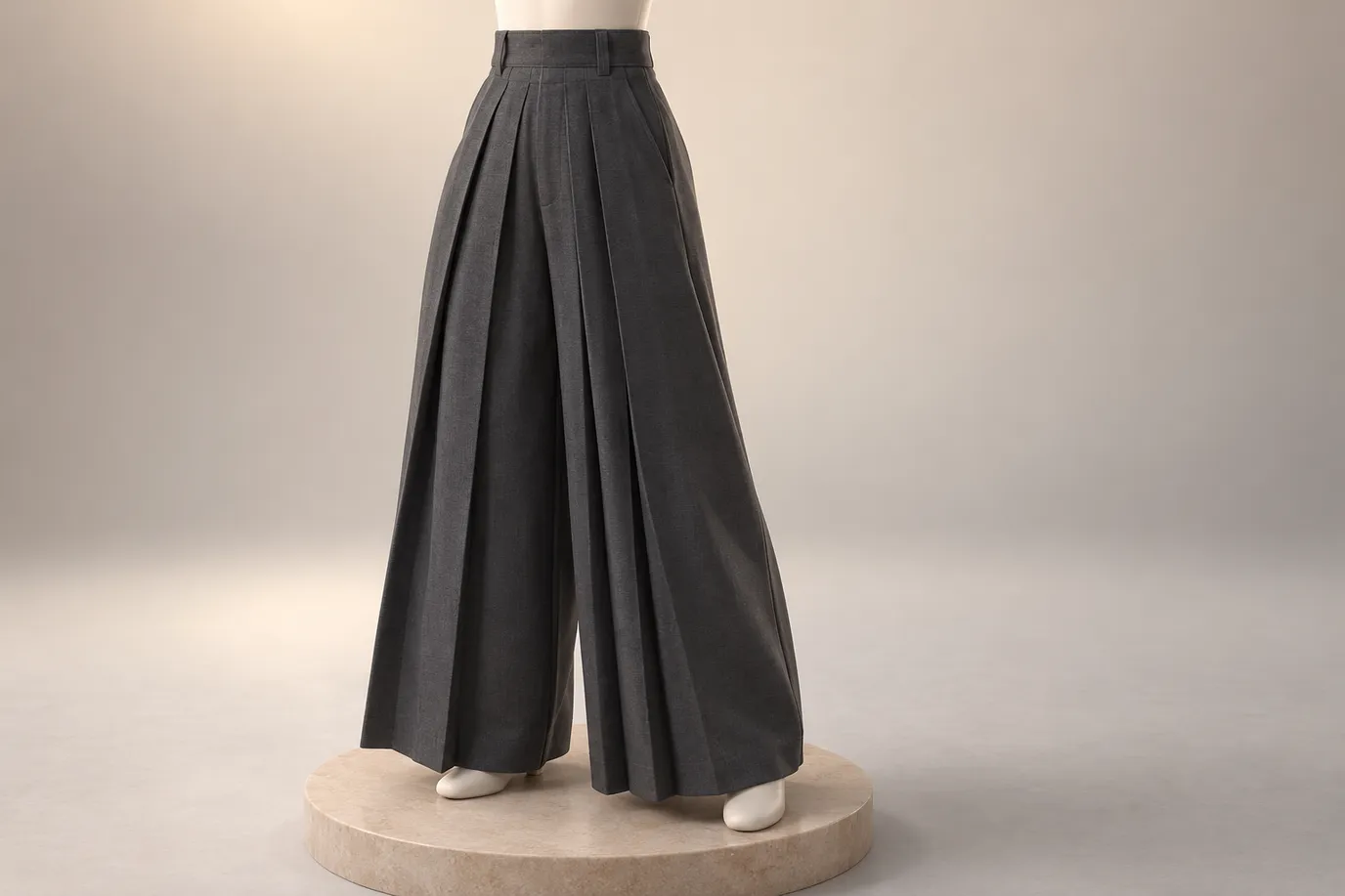
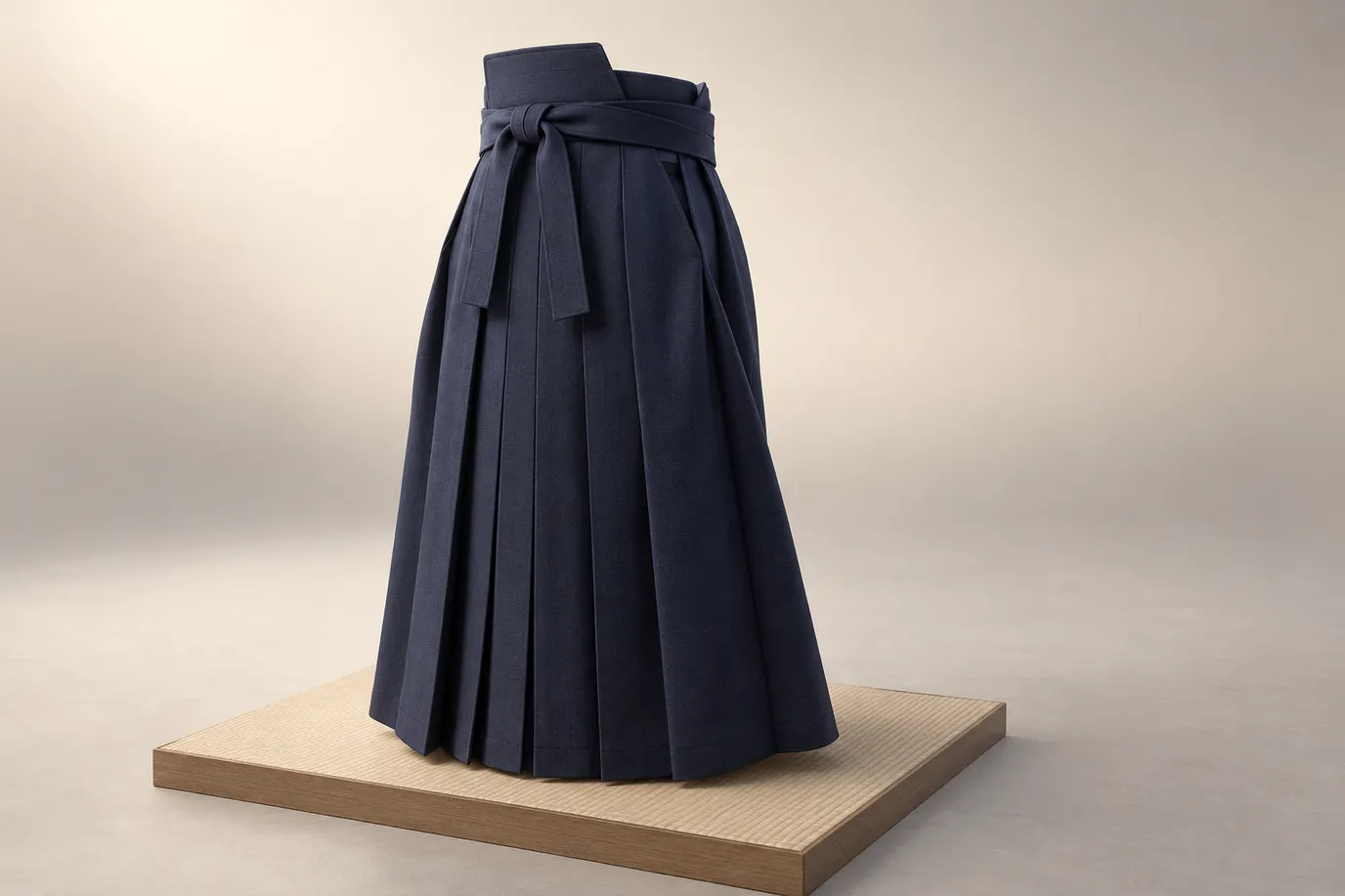
This outfit is a traditional Japanese ensemble that combines a kimono with a pleated hakama. The kimono, a T-shaped robe, is the base layer, while the hakama, a wide-legged garment often pleated, is tied over it. This combination creates a culturally significant outfit. The hakama can be either umanori (divided-leg) or andon (skirt-style), each style suited to different occasions and personal preferences.
The obi, a wide sash, is tied around the waist to secure the kimono before the hakama is added. The himo, or waist ties, of the hakama are then secured around the waist, and the koshiita, or back board, helps to keep the hakama in place and adds a structured look. The haori, a short coat, is often added for men's formal dress, completing the ensemble with an extra layer of formality.
Hakama and kimono: two garments, one outfit
While the kimono and hakama are distinct garments, they are often worn together to form a cohesive outfit. The kimono, with its flowing and elegant design, provides the base layer, while the hakama adds a structured and formal element. The obi, a wide sash, is tied around the waist to secure the kimono before the hakama is added. This combination is not just about aesthetics; it also has deep cultural roots. The hakama is commonly read as a mark of formality and respect, and accounts of its history differ by period and region.
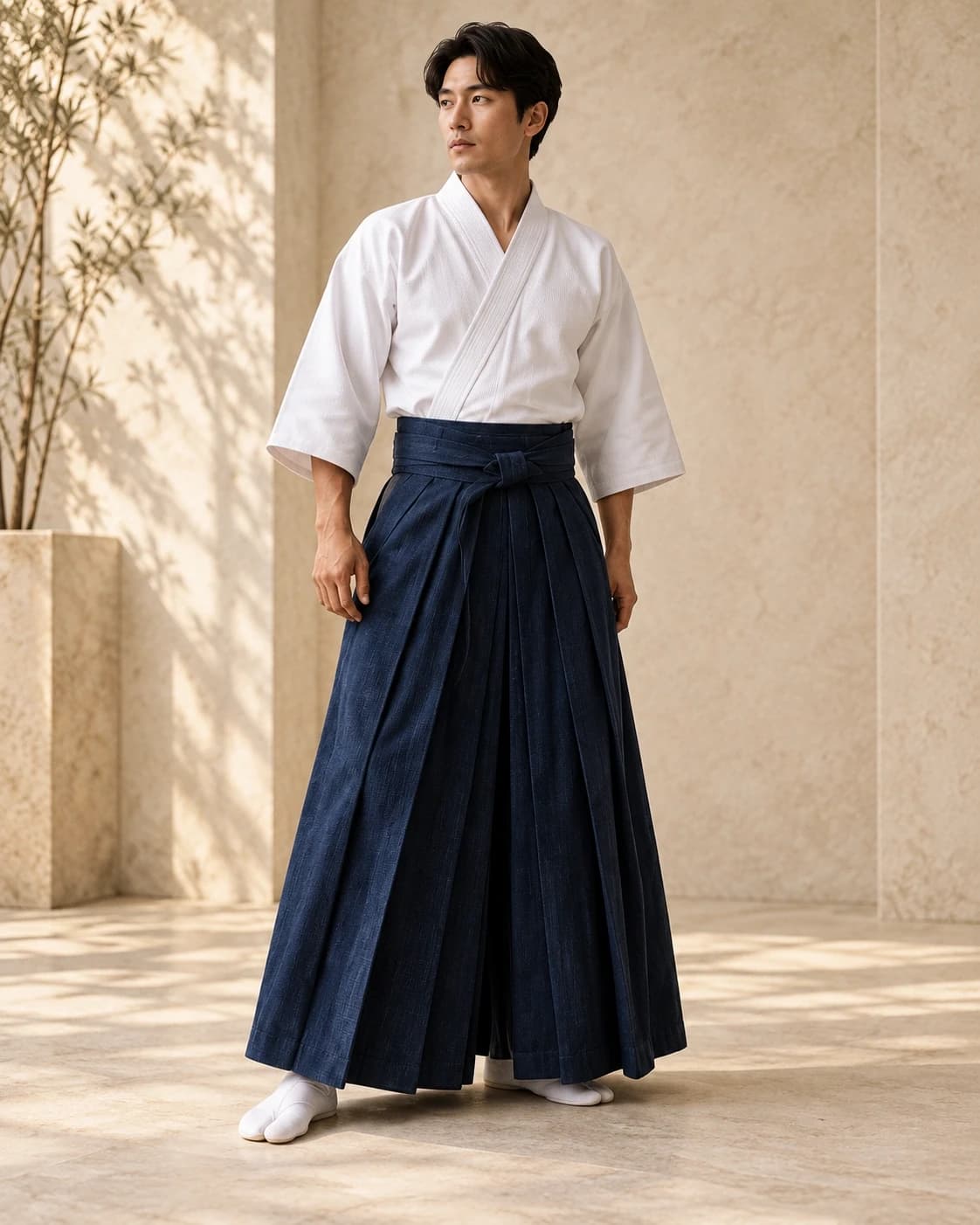
The hakama comes in various forms, including umanori and andon hakama forms, each with its own unique characteristics and uses. Umanori hakama, with its divided legs, is more practical for movement and is often seen in martial arts, while andon hakama, with its skirt-like design, is more formal and traditional. Before the hakama goes on, check the kimono length: the kimono hem should not hang below the hakama hem once everything is tied.
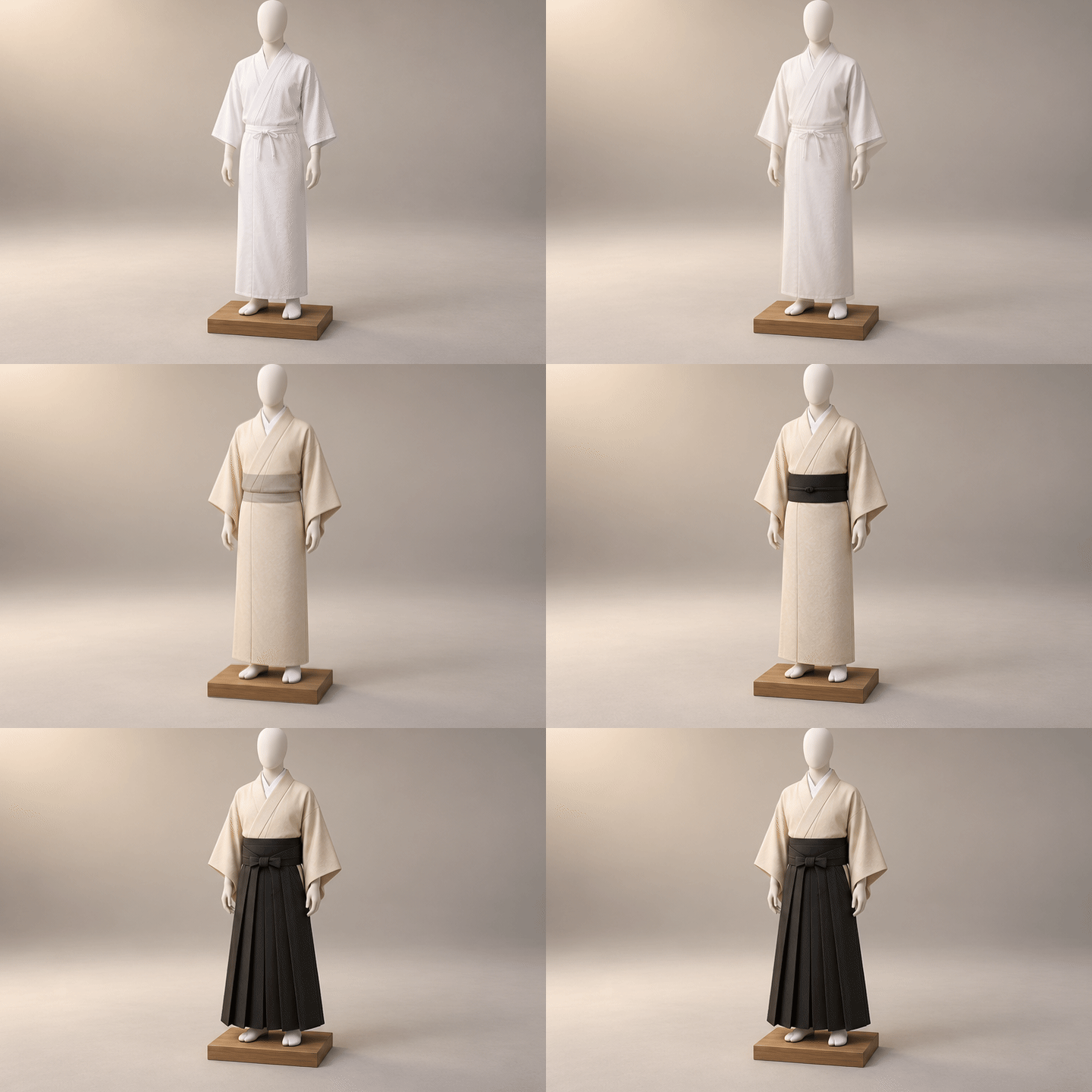
The layering order from first layer to last
Dressing in kimono and hakama involves a specific layering order to ensure a proper and elegant fit. Here is the usual order, which may vary by region and dresser:
- Juban (undergarment): A thin, lightweight kimono-like garment worn next to the skin to absorb sweat and protect the outer layers.
- Kimono: The main outer robe, which comes in many fabrics and weights and features intricate designs.
- Obi: A wide sash tied around the waist to secure the kimono.
- Hakama: The pleated, wide-legged garment tied over the obi with its himo (waist ties) and koshiita (back board).
- Haori (optional for men's formal dress): A short coat worn over the kimono and hakama for added formality.
- Tabi (split-toe socks): Worn on the feet to fit into zori (sandals).
Our step-by-step guide to putting on a hakama covers the tying itself, knot by knot. When tying the hakama, it is important to ensure that the himo are tied securely and the koshiita is positioned correctly to maintain the garment's shape and comfort.
Men's kimono and hakama combinations
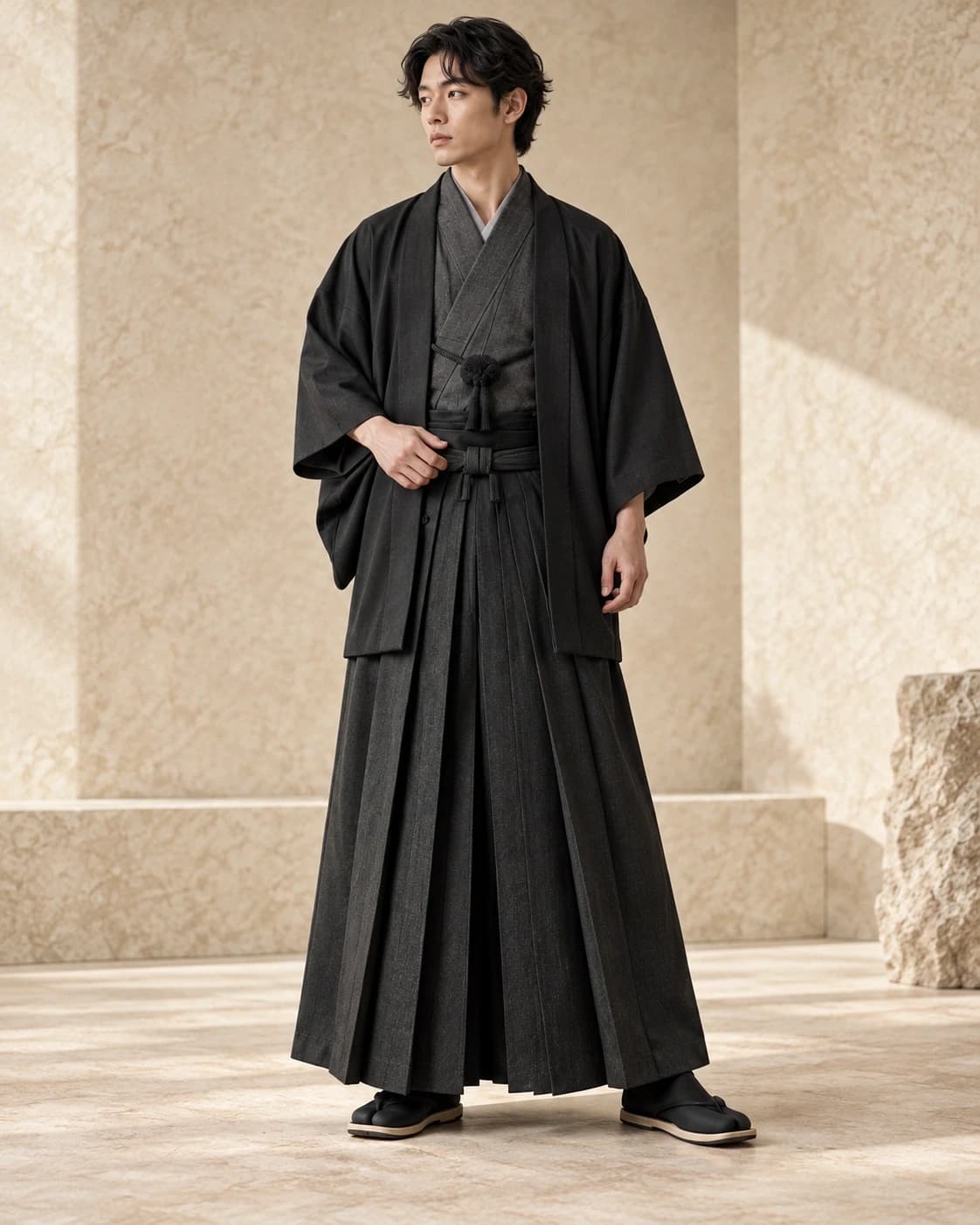
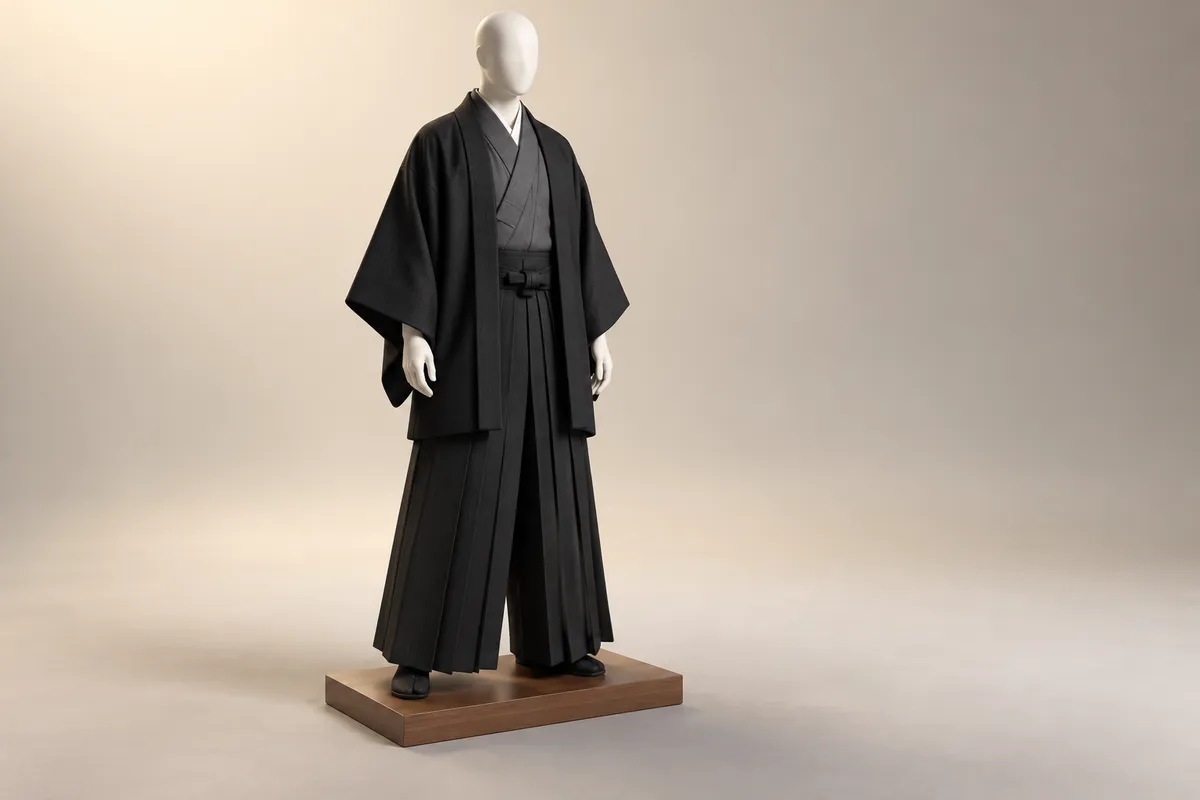
Men's kimono and hakama combinations are often formal and structured. The most common combination includes a plain or montsuki kimono (a kimono with family crests) worn with a formal hakama. The hakama is typically tied over the obi, creating a clean and polished look. For formal events, such as weddings and ceremonies, a haori is often added to complete the ensemble.
For example, the Men's Kimono + Umanori Hakama Formal Set is a formal set in graphite and black with a plain kimono layer, a restrained haori and a formal wide pleated umanori-style hakama, listed in sizes S to XXL. The haori goes on last because it is the outer layer: it sits over the kimono and the hakama waist, and it is usually left open or closed at the chest with its cord, so the pleats of the hakama stay visible below it.
Women's kimono and hakama combinations
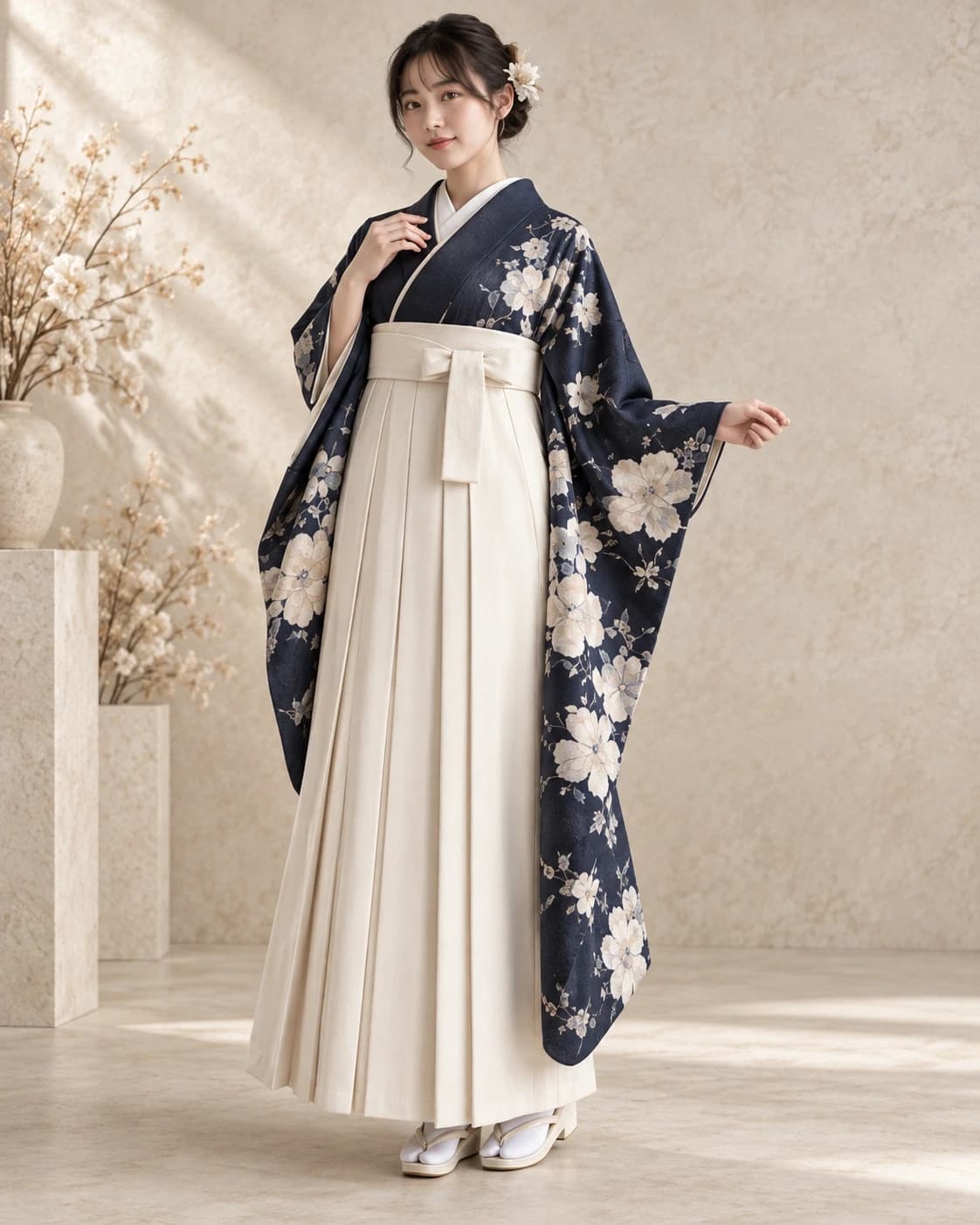
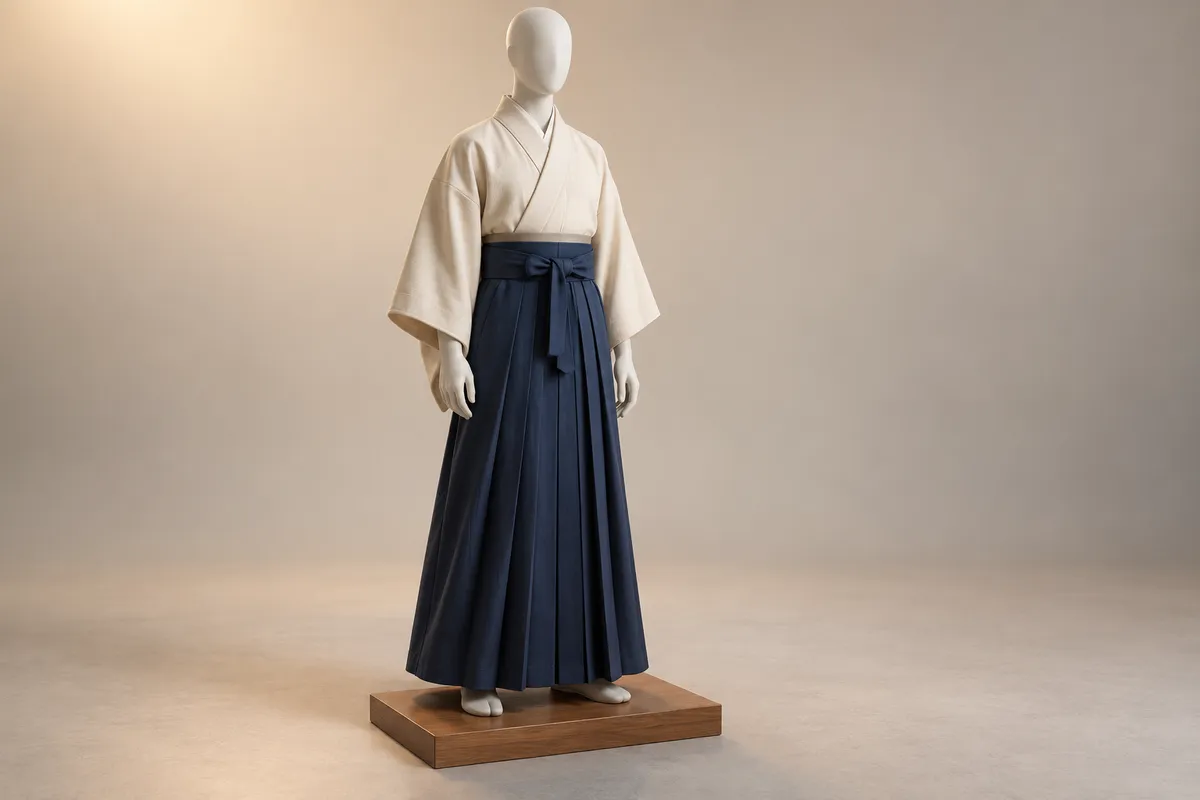
Women's kimono and hakama combinations are equally elegant but often have a more delicate and graceful appearance. The hakama is typically tied higher on the waist, with the obi showing above it. This creates a balanced and aesthetically pleasing silhouette. For formal events, women often wear a furisode kimono, a long-sleeved kimono with elaborate designs, paired with an andon-style hakama.
For graduation ceremonies, the Furisode Kimono + Andon Hakama Graduation Set is a graduation set in deep navy and ivory: a long-sleeved kimono with subtle abstract floral art and a flowing andon-style hakama skirt. In this style the obi shows as a band of colour above the hakama waist, and for a graduation a professional dresser commonly ties the hakama on the day.
If you are unsure whether a hakama is a skirt or trousers, the answer depends on the form: the andon-style hakama is undivided and hangs like a skirt, while the umanori-style hakama has two divided legs and works like wide trousers.
Occasions: formal events, graduation and martial arts
Hakama and kimono sets are versatile and can be worn for a variety of occasions. Here is a general guide to help you choose the right combination:
| Outfit | Typical pieces | Typical occasions |
|---|---|---|
| Men's formal | Kimono, hakama, haori | Weddings, ceremonies, formal events |
| Women's ceremony | Kimono with hakama tied above the obi | Graduation and some ceremonies |
| Martial arts | Training top (keikogi) with hakama | Practice in arts that wear hakama |
| Modern casual | Hakama pants with a shirt or knit | Everyday outfits |
These are general conventions that vary by region, school, and event. For readers building an outfit around the hakama itself, Hakama Pant also lists traditional hakama designs in umanori and andon forms.
Kimono and hakama sets from Hakama Pant
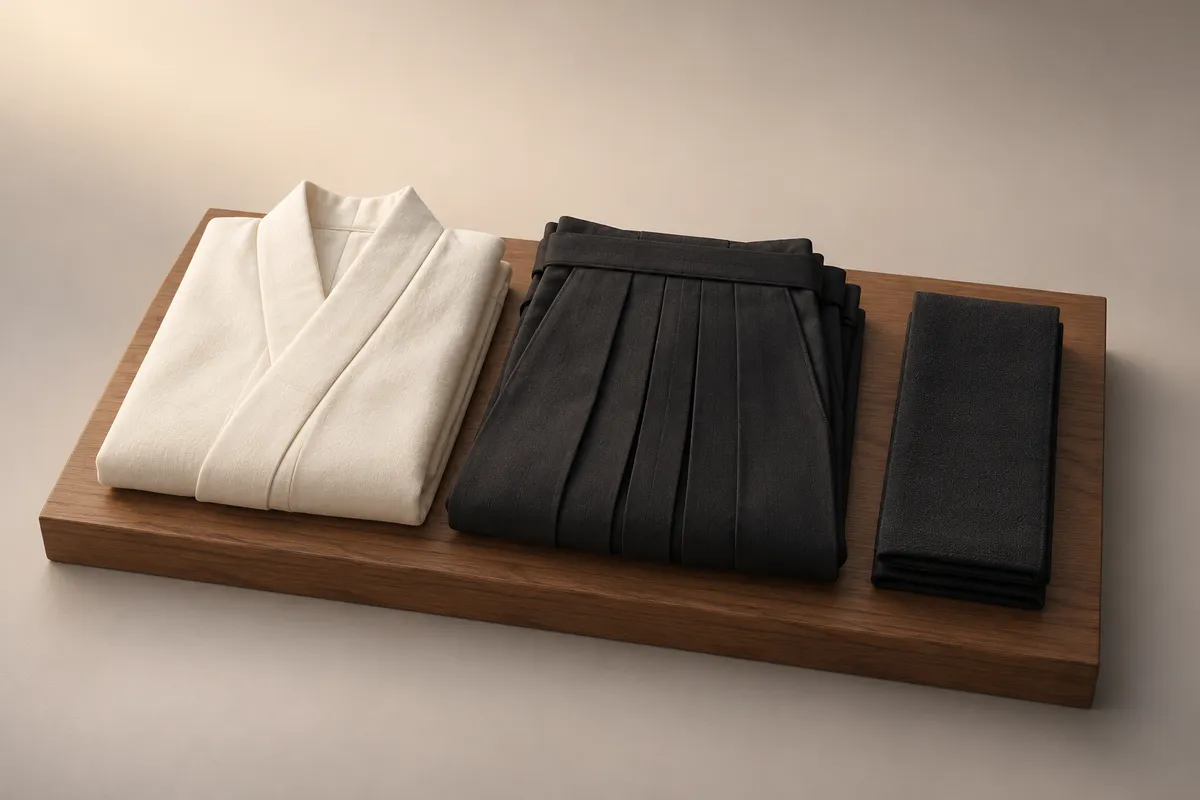
Hakama Pant does not sell standalone kimono, obi, haori, tabi or zori. The kimono and hakama sets collection groups every set in one place, and each set page states what the set includes, so confirm the pieces and the listed size there before ordering.
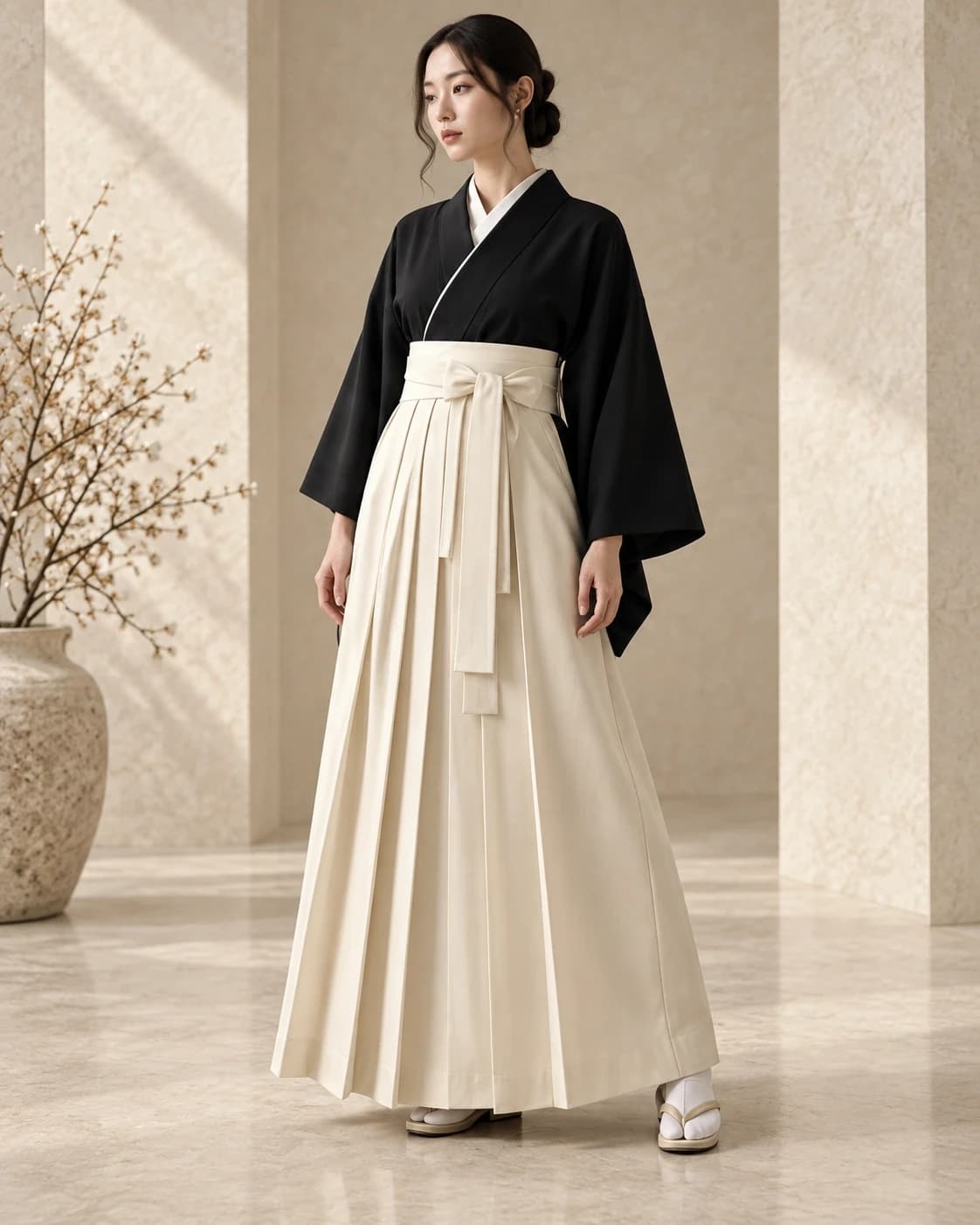
For example, the Formal Kimono + Hakama Set in black and cream is a formal set: a plain formal kimono top with an elegant pleated hakama in an understated palette, listed in sizes S to XXL. Read the set page to see which pieces it includes, and plan the obi, tabi and zori from your own wardrobe or a rental.
Frequently Asked Questions
What is the difference between a hakama and a kimono?
A hakama is a wide-legged, pleated garment worn over the kimono, while a kimono is a T-shaped robe worn as the base layer. The hakama adds a structured and formal element to the outfit, while the kimono provides the flowing and elegant base. The combination of these two garments creates a traditional Japanese ensemble that is both visually striking and culturally significant.
Do you wear hakama with kimono?
Yes, a hakama is typically worn over a kimono to form a traditional Japanese ensemble. The kimono is the base layer, and the hakama is tied over it, often with an obi securing the kimono first. In martial arts the hakama is worn over a training top rather than a kimono, so the pairing changes with the setting. This combination is used for formal events, cultural celebrations, and martial arts practices.
Who can wear a hakama?
Anyone can wear a hakama respectfully. However, a school, dojo, or event may have its own conventions or requirements for wearing a hakama. It's always a good idea to check with the relevant authority if you are unsure. The hakama is a versatile garment that can be worn by both men and women for various occasions, from formal events to martial arts training.
What is hakama in Japan?
Hakama is a traditional Japanese garment that is commonly traced as a symbol of status, formality, and respect. It is often worn over a kimono for formal events, ceremonies, and cultural celebrations. Today, it is also seen at graduations, weddings, tea and shrine settings, and in martial arts such as kendo, iaido, and aikido, with conventions that vary by context.
Why did people wear hakama over kimono?
People wore hakama over kimono to add a layer of formality and structure to their outfit. The hakama also served practical purposes, such as protecting the kimono and allowing for easier movement, especially in martial arts. Accounts differ, but it is commonly traced to riding and to formal dress. The hakama's practical and symbolic roles have made it an enduring part of Japanese culture.
Conclusion
A hakama kimono outfit is a beautiful and meaningful combination of two iconic Japanese garments. Learn the layering order first, then choose the combination that fits the event. Whether you are attending a formal event, a graduation ceremony, or a cultural celebration, the right hakama and kimono combination can honor tradition. Always confirm the pieces and size in the set before ordering to ensure a proper fit.