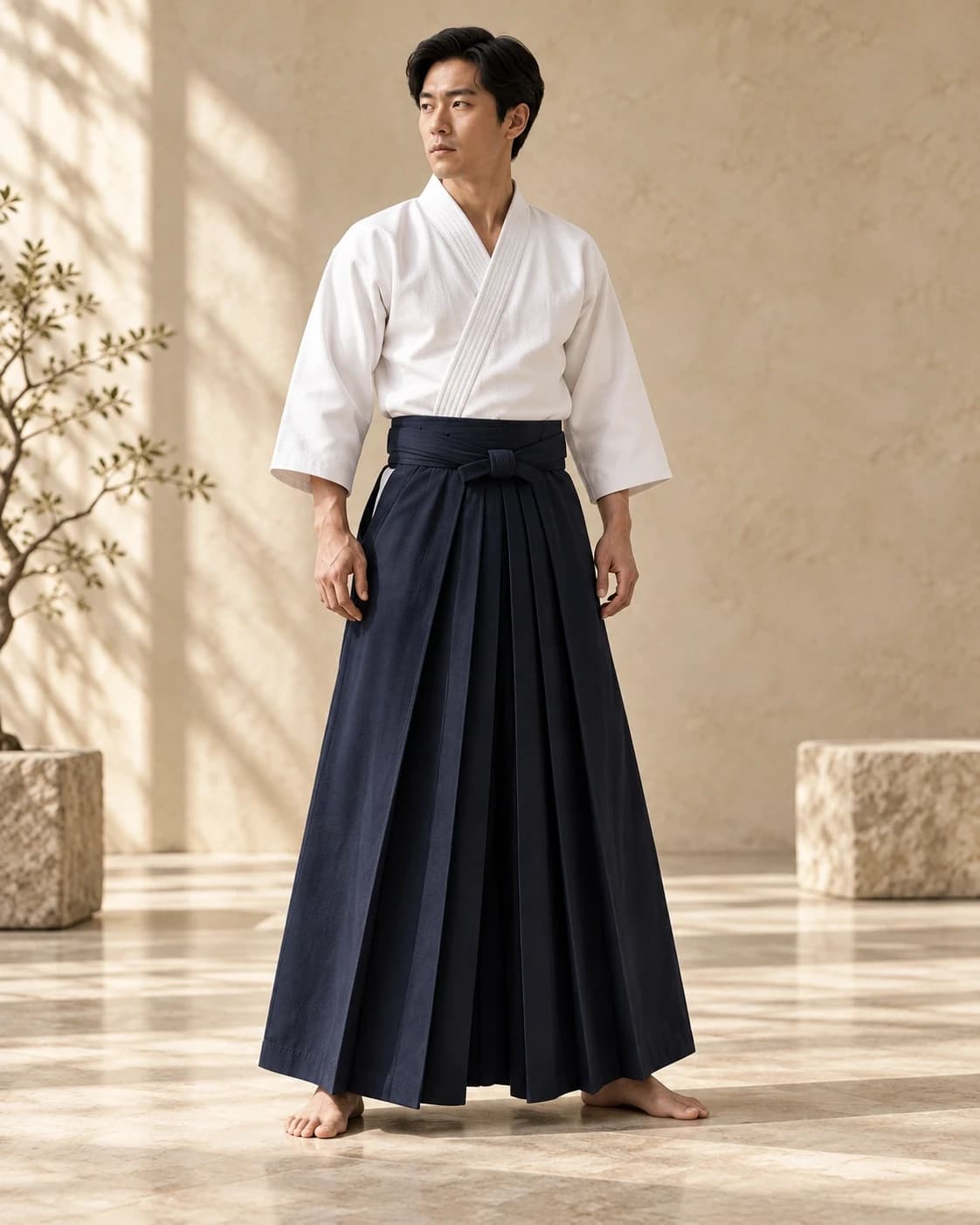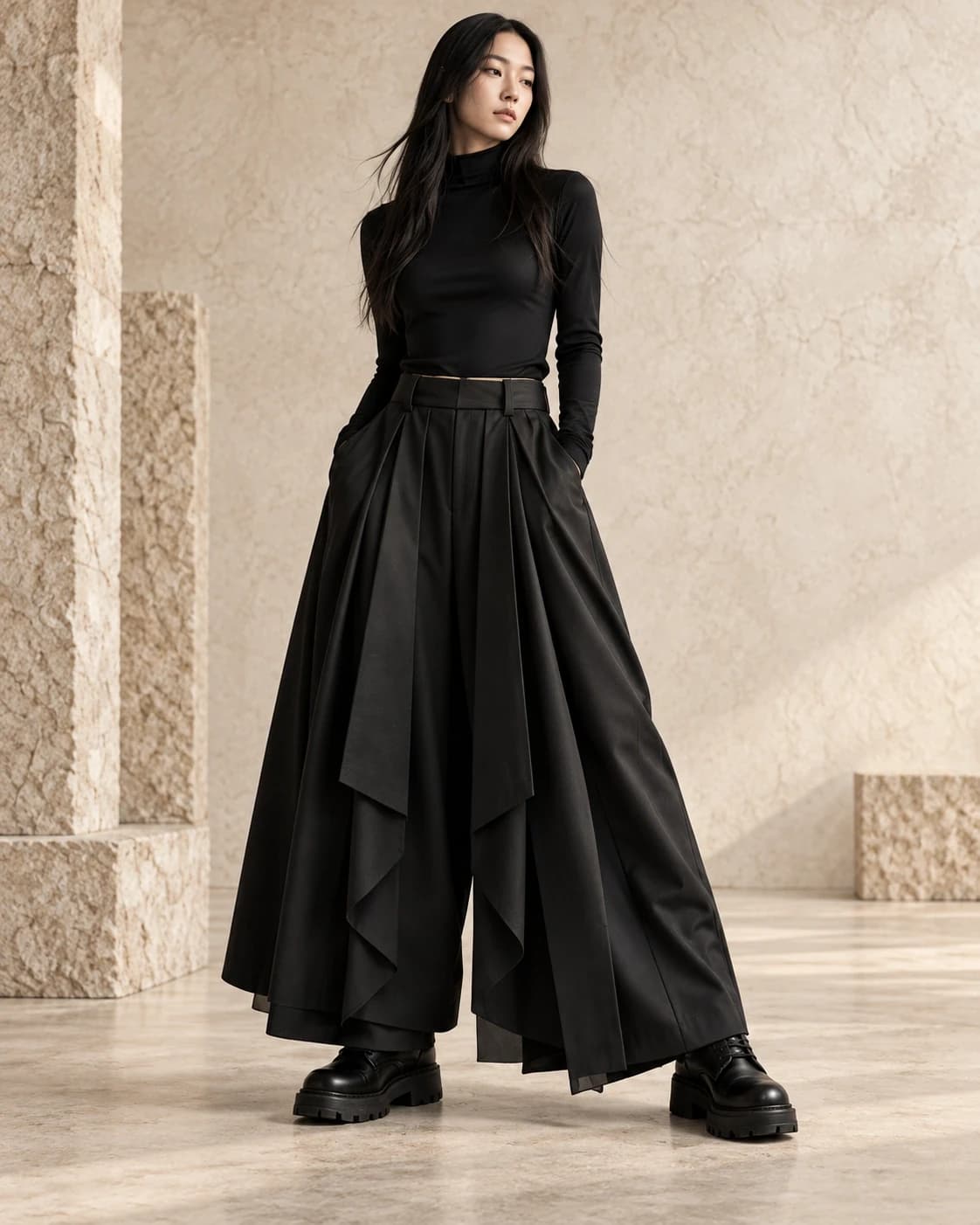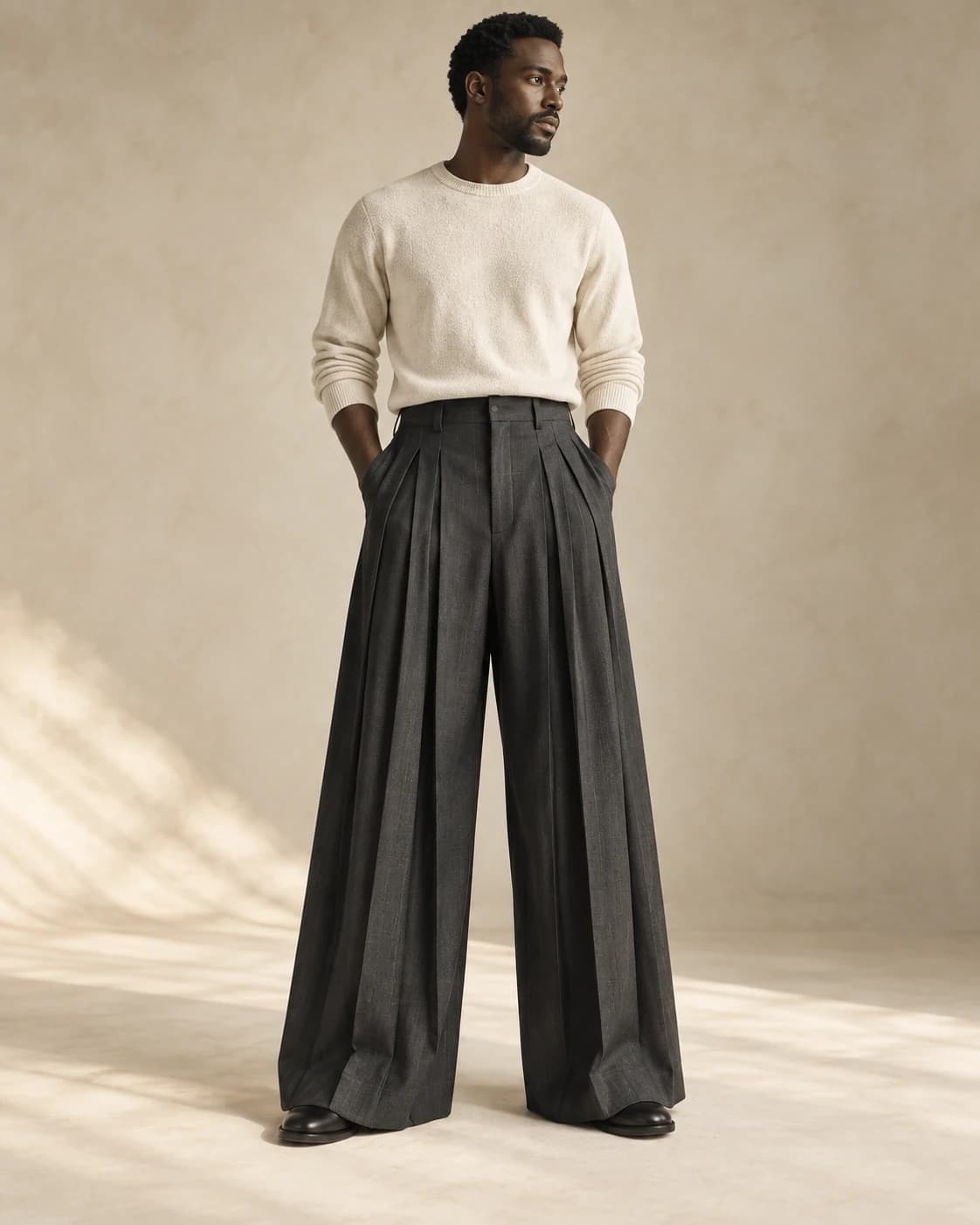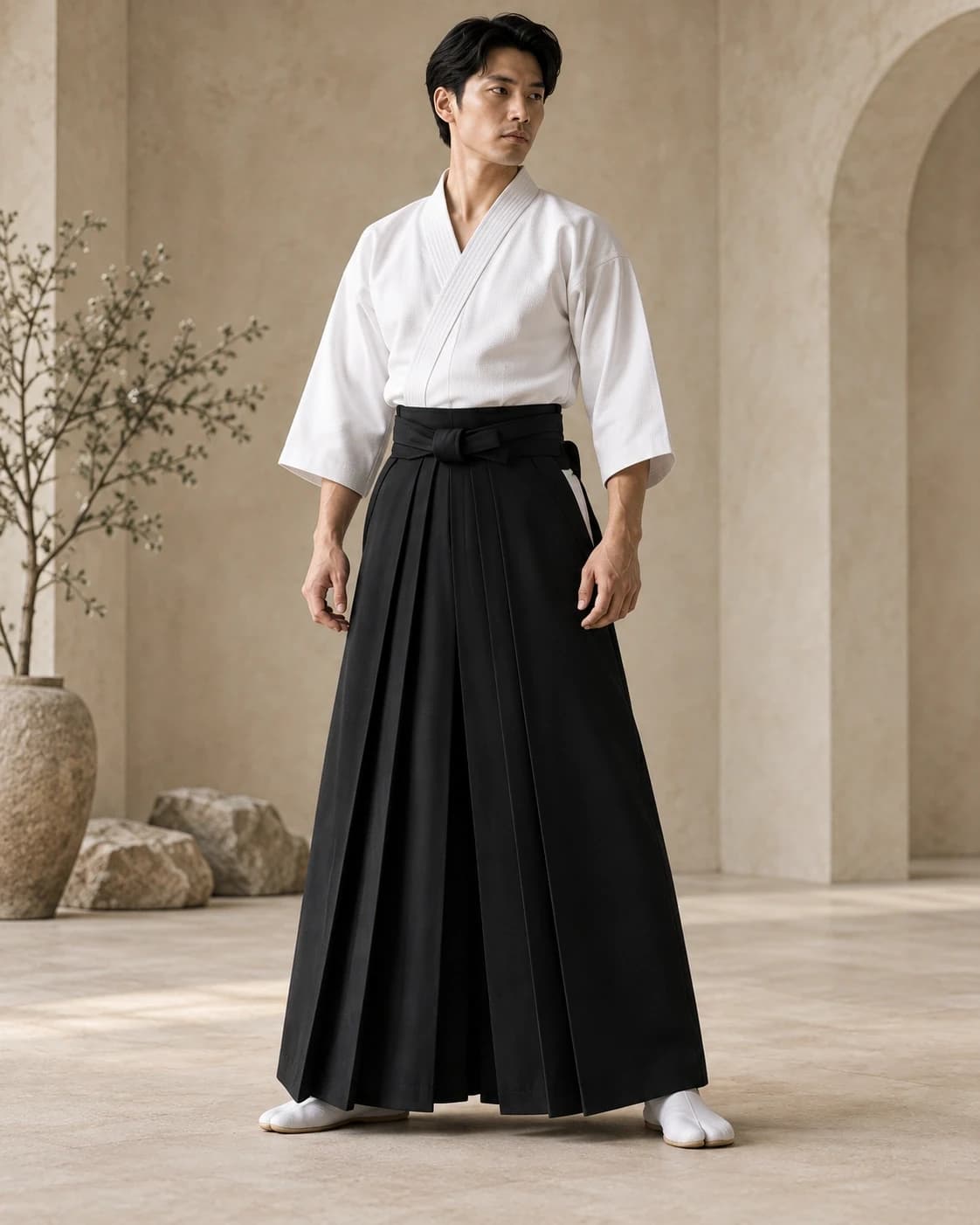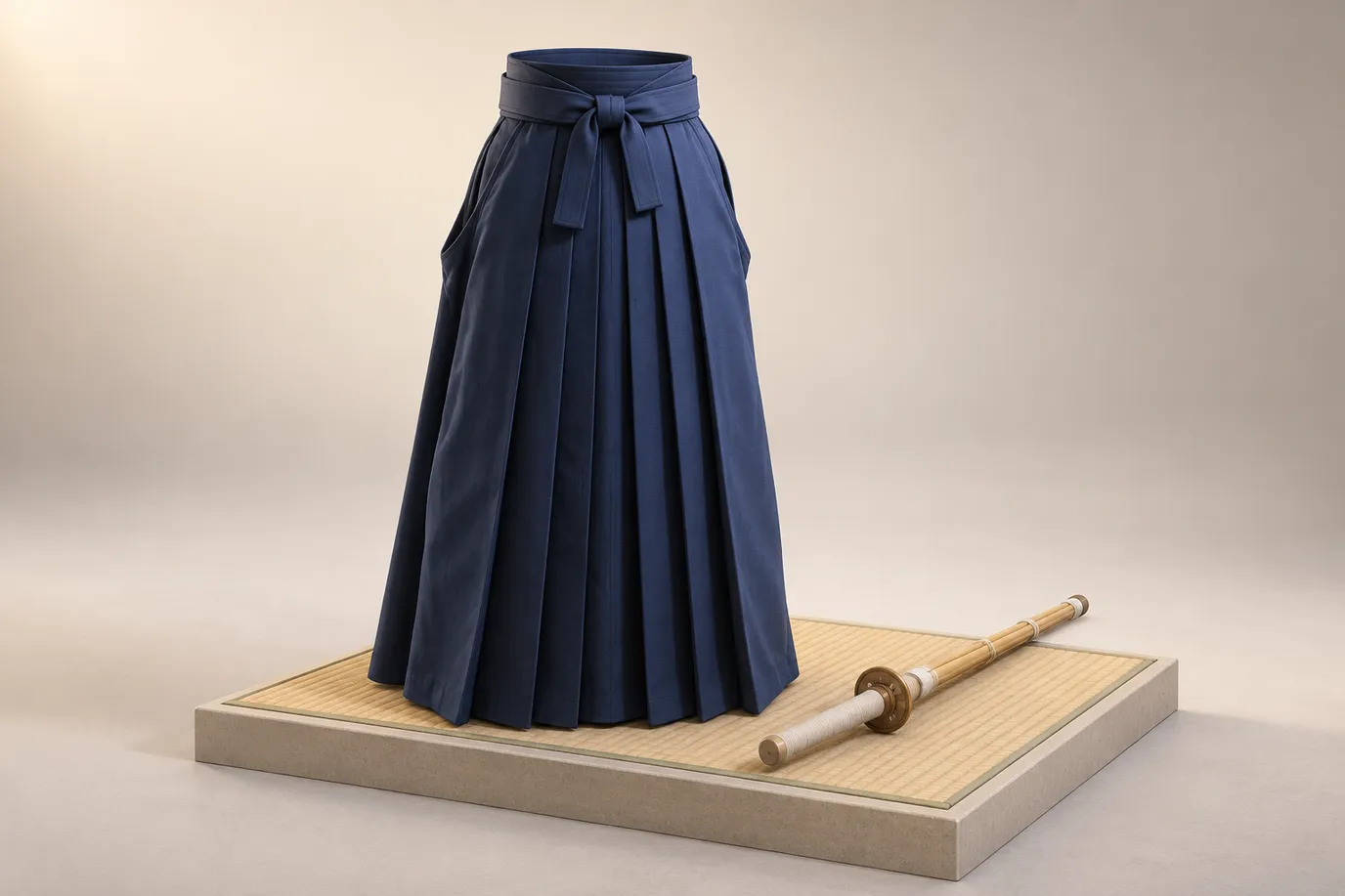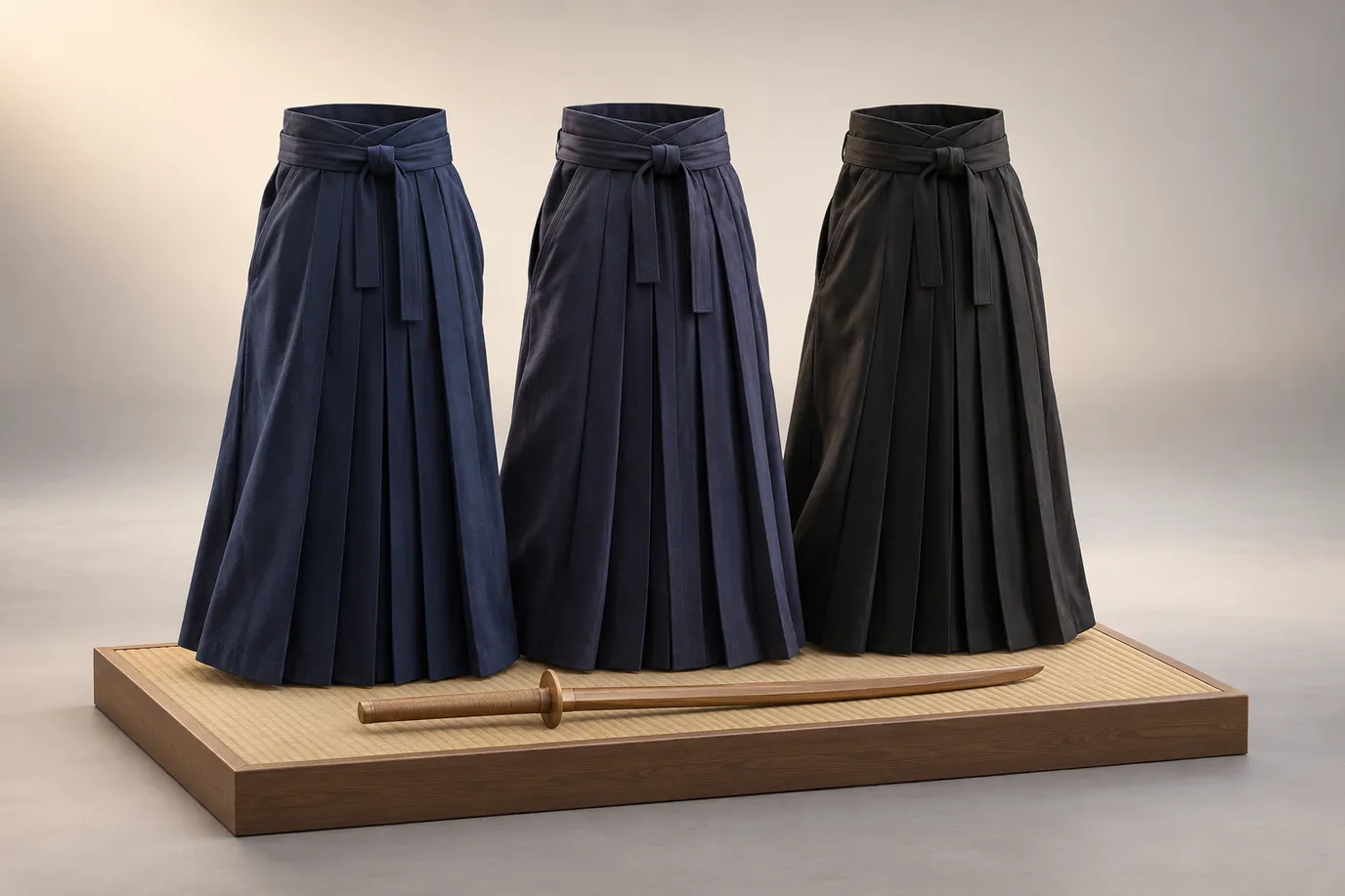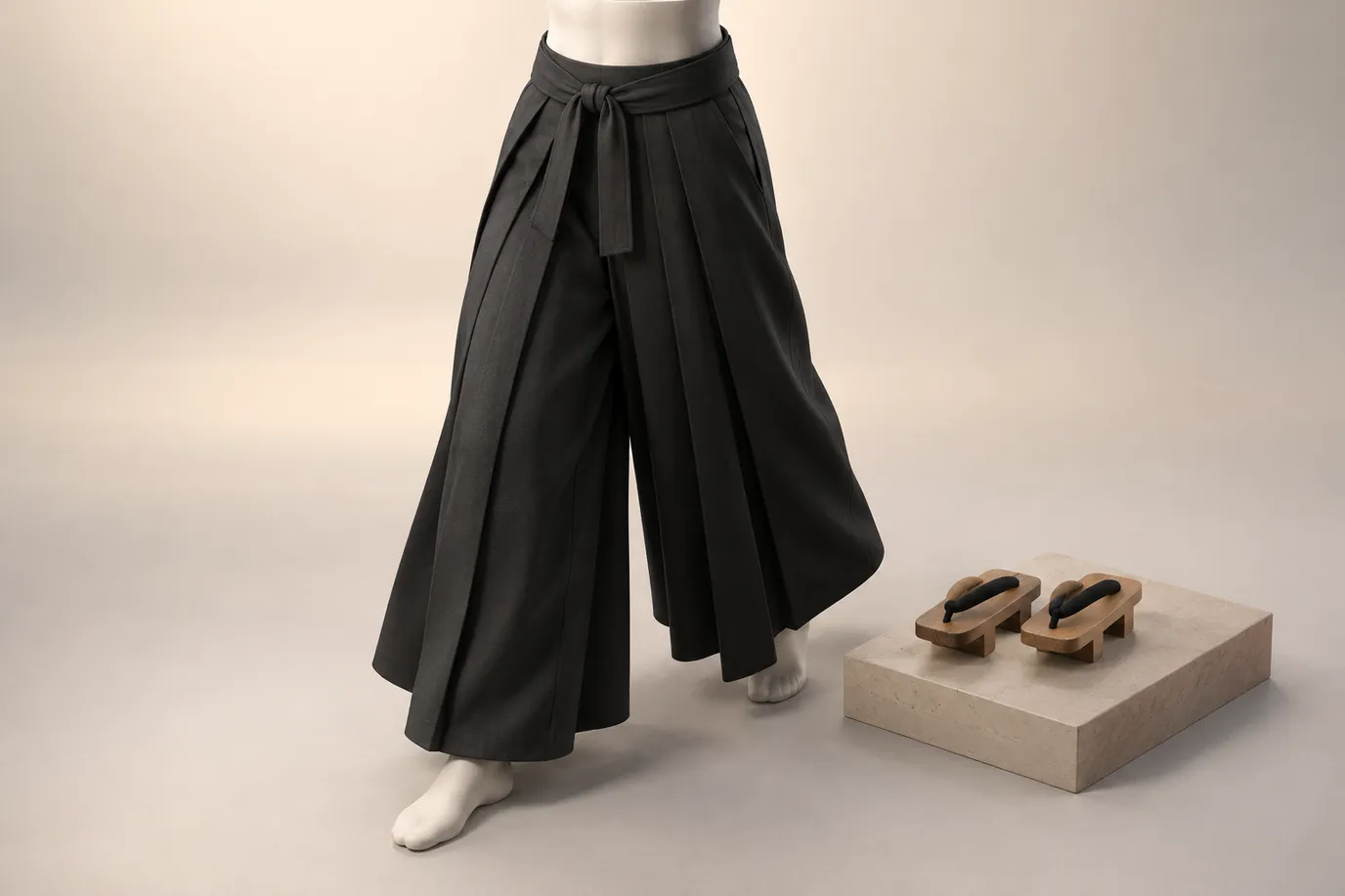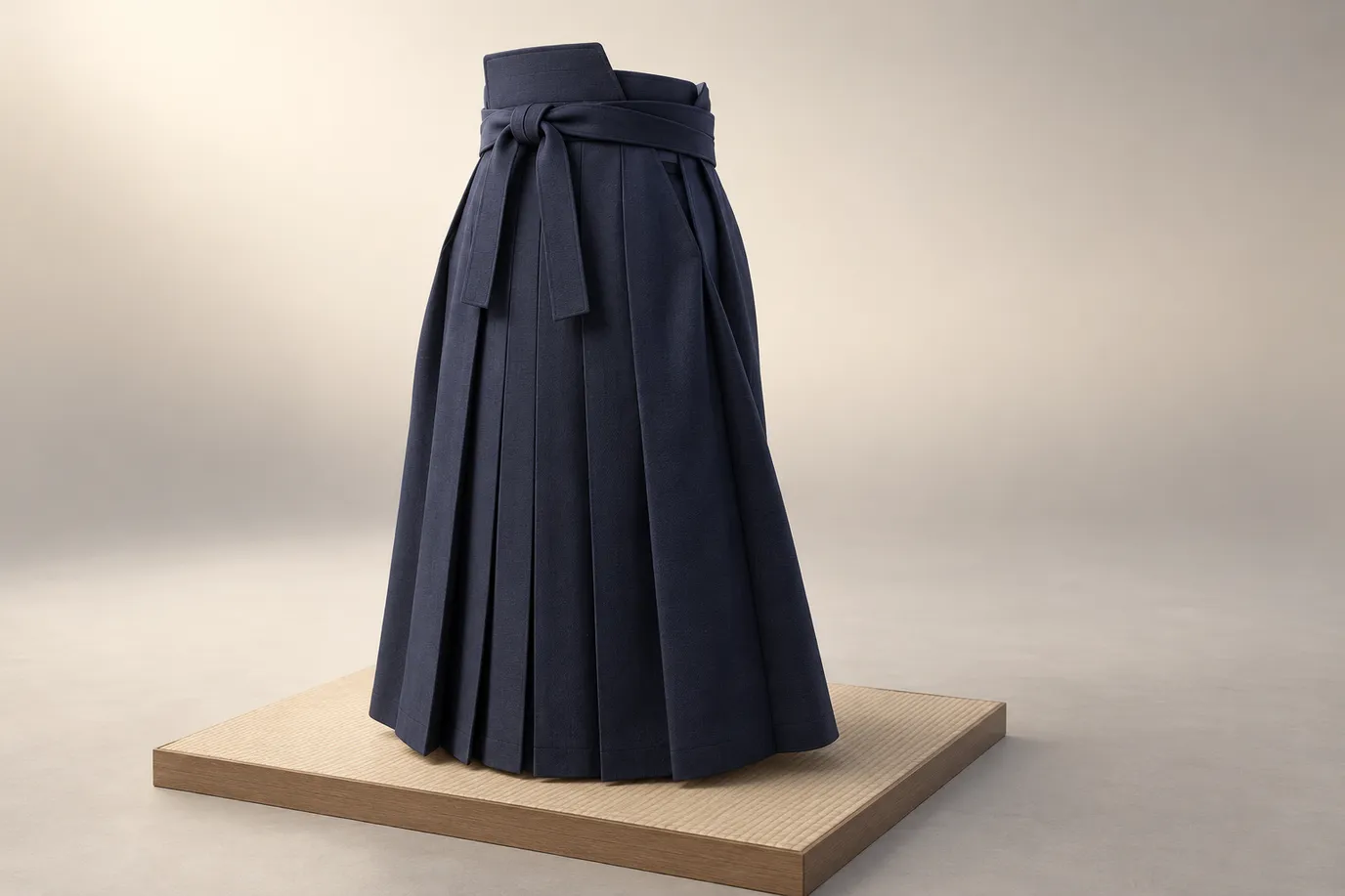

An aikido hakama is a pleated, divided-leg hakama worn over the keikogi, usually in black or dark navy. Many schools allow it only from a certain rank, often first dan, while others let all students wear one. Before buying, ask your dojo about rank rules and colour, then measure for length to ensure a proper fit for both kneeling and rolling.
Key Takeaways
- Rank rule: The rule is set by each organisation and dojo.
- Colour options: Black and dark navy are the usual colours.
- Form: The divided umanori form is the norm because practice includes kneeling and rolling.
- Length guidelines: The hem commonly sits around the ankle and a long hem can catch in rolls.
- Pleat meaning: The seven pleats are commonly read as virtues, a traditional association and not a documented origin.
- Folding: Fold along the pleats after training.
What an aikido hakama is
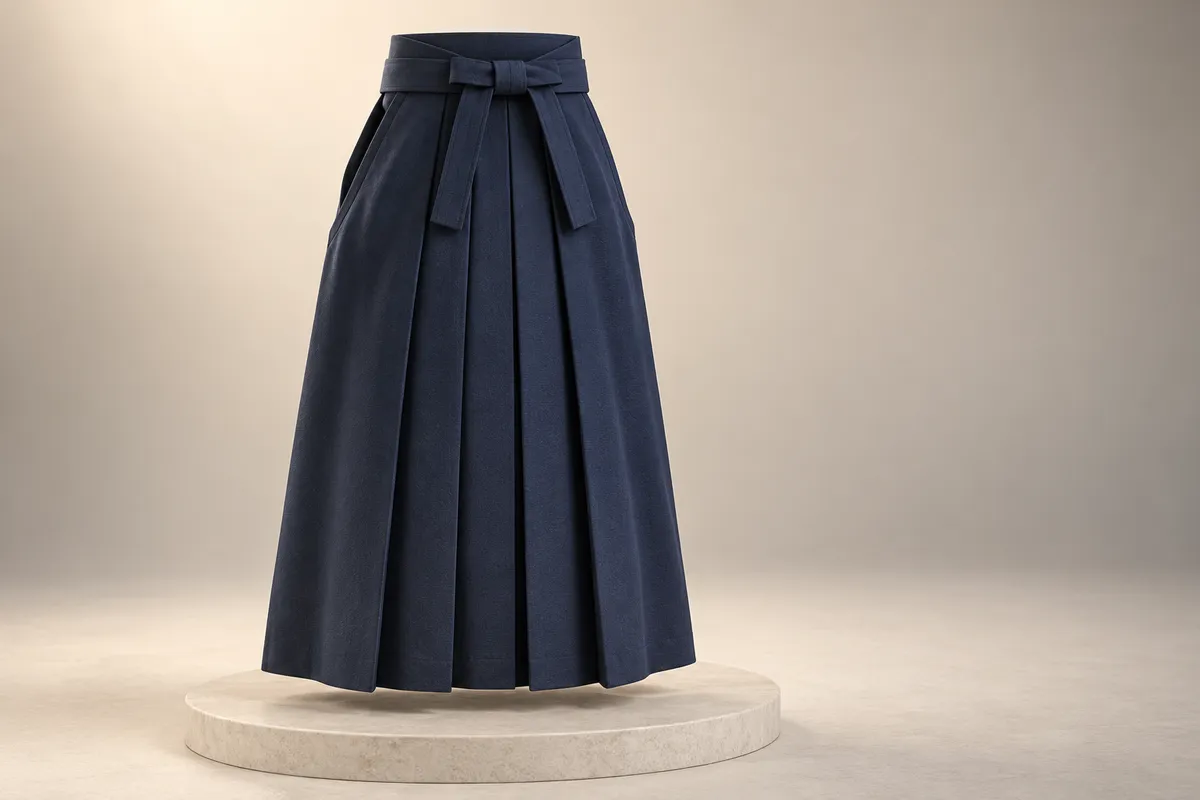
An aikido hakama is a traditional garment worn over the keikogi (training jacket) and obi (belt). It is characterized by its pleated, divided-leg design, known as umanori, which allows for a wide range of movement essential for aikido practice. The hakama has five front pleats and two back pleats, and it is secured with himo (waist ties) and a koshiita (stiff board at the back waist).
| Question | Common convention | Why it varies | What to do |
|---|---|---|---|
| When may I wear one? | Often from first dan; some schools earlier | Each organisation and dojo sets its own rule | Ask your instructor |
| Which colour? | Black or dark navy | School preference | Match what seniors wear |
| How long? | Commonly around the ankle | Personal and school preference; long hems can catch during rolls | Measure as shown in the size guide |
| Which form? | Divided-leg (umanori) | Practice involves kneeling and rolling | Check the product page for the form |
The hakama hides the feet and knees, which is one reason beginners in some dojos train without it at first, so the teacher can see their footwork. This is a common explanation, not a strict rule. The koshiita rests against the lower back, and the side openings show the jacket at the hips.
When aikido students start wearing a hakama
The decision to allow students to wear a hakama varies widely by dojo and organization. Many dojos introduce it at first dan, while some allow it at an earlier kyu grade, and others from the first class. In some dojos, the rule has differed for women and men. The rule belongs to the organisation and the dojo, so ask the instructor. A student who is not yet allowed to wear one loses nothing by waiting.
When students start wearing the hakama varies by dojo. The timing often depends on rank, but the reason for this rule can differ by teacher. Practical and historical factors both play a role. As a buyer, ask before a grading. Some dojos expect the hakama from the first class after promotion. Borrowing one for the first sessions is common. The guide that compares aikido, kendo and iaido dress shows how different the rules are between arts.
The first weeks in a hakama take some adjustment. Stepping on the front hem when standing up from kneeling is a common beginner problem. Lifting the front slightly as you rise and practising knee-walking slowly both help. Seniors expect this and will show you how.
Colour: black, navy and what your dojo expects
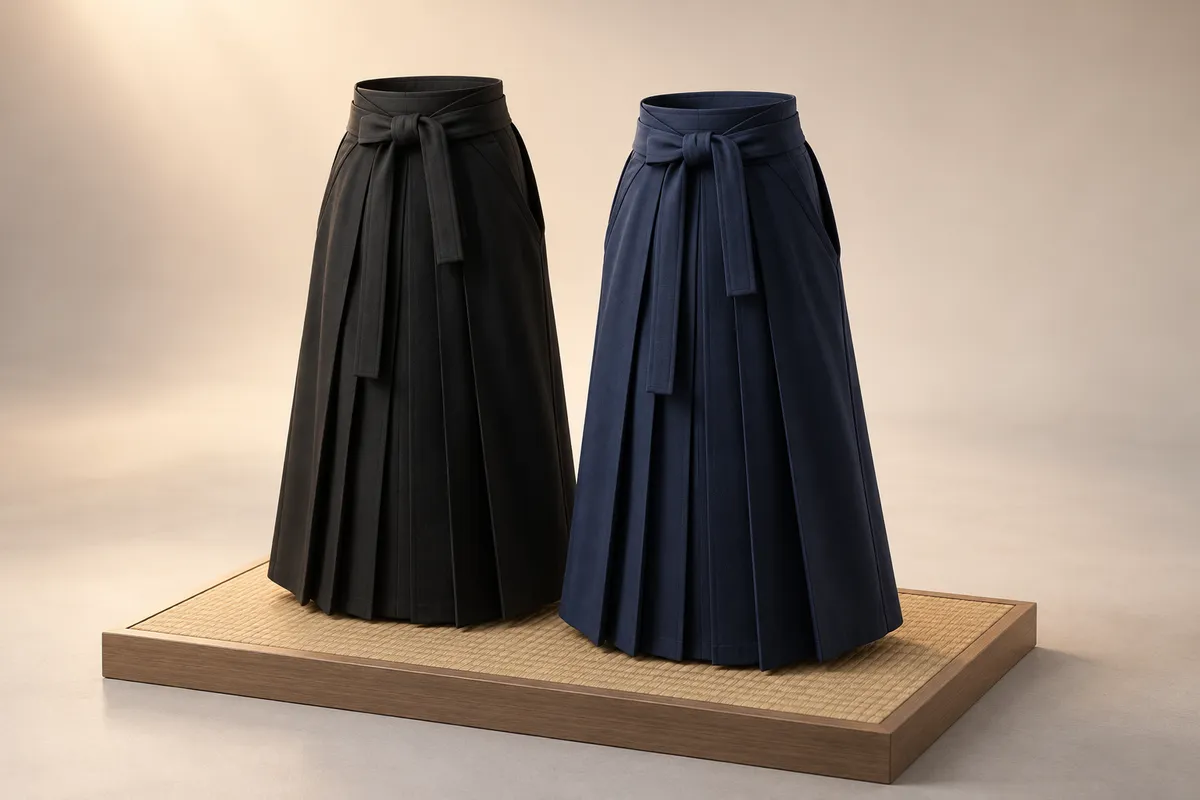
Hakama for aikido are typically available in black or dark navy, with black being the most common. Indigo is seen in some dojos, while white is unusual in aikido. Hakama Pant lists an Aikido Tetron Hakama in deep navy, a traditional-style wide design with a tie waist and ordered pleats, in listed sizes S to XXL. A discipline name on a product does not replace the instructor's answer.
For colour, look at what seniors and instructors wear before a class. If the dojo belongs to a larger organisation, follow its customs. When in doubt, black is the most widely seen, but the instructor's word decides.
The hakama is worn over a white keikogi, so black or navy gives the strongest contrast. A new black and an older faded black look different side by side, which is normal. The store also lists a Traditional Black Tetron Hakama, a traditional-style broad divided-leg design with tightly ordered pleats.
Length and form for kneeling and rolling
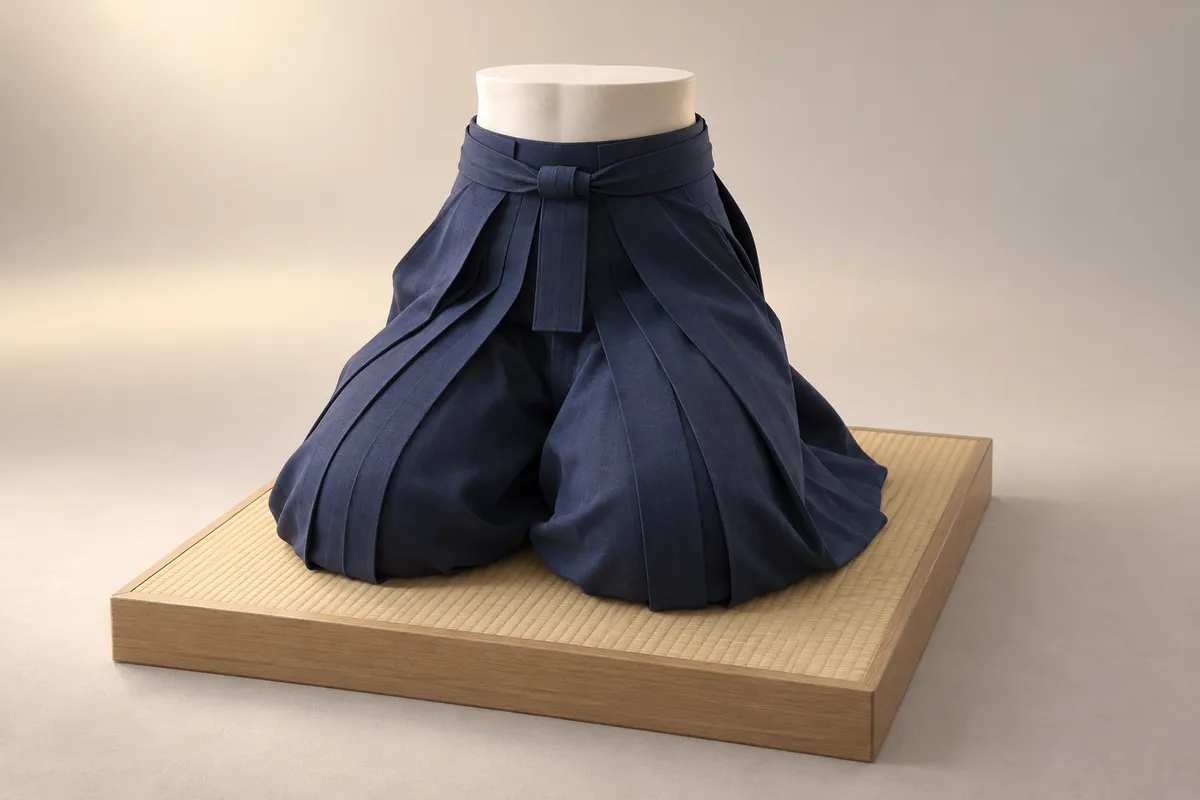
The length of an hakama for aikido is important to ensure it does not hinder your movements during training. The hem commonly sits around the ankle bone, which leaves room for ukemi (rolling) and seiza (kneeling). Some practitioners wear it slightly shorter so it does not catch in rolls or under the feet in knee-walking. Length is taken from where the waist sits to the hem you want. Measure as the site's size guide shows and compare with the listed sizes on the product page.
In knee-walking (shikko) and in rolls, the front hem is what the feet catch, so check the length kneeling as well as standing. The back sits a little higher because of the koshiita. The ties adjust the waist, not the length. If two listed sizes seem possible, ask a senior which they would choose.
The divided umanori form has two separate legs. This makes it the usual choice for arts with knee-walking and wide stances. The undivided andon form is one tube and is more common in formal and graduation dress. From the front, the two forms look alike. Always read the stated form on the product page instead of judging from a picture.
What the pleats are said to mean
Commonly, the five front and two back pleats are read as seven virtues, though the list of virtues differs between teachers. This is a traditional association and not a documented origin. The pleats allow the legs to move freely and are kept by folding.
After training, the inner pleat edges take the most wear at the knees. Folding along the pleats after each class keeps the lines. Pressing across a pleat makes a crease that is hard to remove. A hakama that is folded warm and damp holds wrinkles.
Checklist before you buy
- Rank rule: Confirm with your instructor whether your rank allows you to wear a hakama.
- Colour: Match the colour to what is worn by senior students and instructors in your dojo.
- Form: Confirm the divided umanori form on the product page.
- Length: Measure for the correct length to ensure it does not impede your movements during training.
- Name embroidery: Some dojos embroider the name at the back or the hem; ask what is customary. The store lists a Custom Embroidered Tetron Hakama in black with tonal grey, a personalised embroidery placement concept at the lower hem.
Settle the dojo's rule and colour first, then the form, then the length, and only then compare designs. The martial arts hakama collection groups the designs listed for practice.
Order your hakama well ahead of a grading. When it arrives, try it on over the keikogi and check the hem standing and kneeling before wearing it to class. If the length is wrong, the store’s refund policy page explains what to do.
Folding and care after training
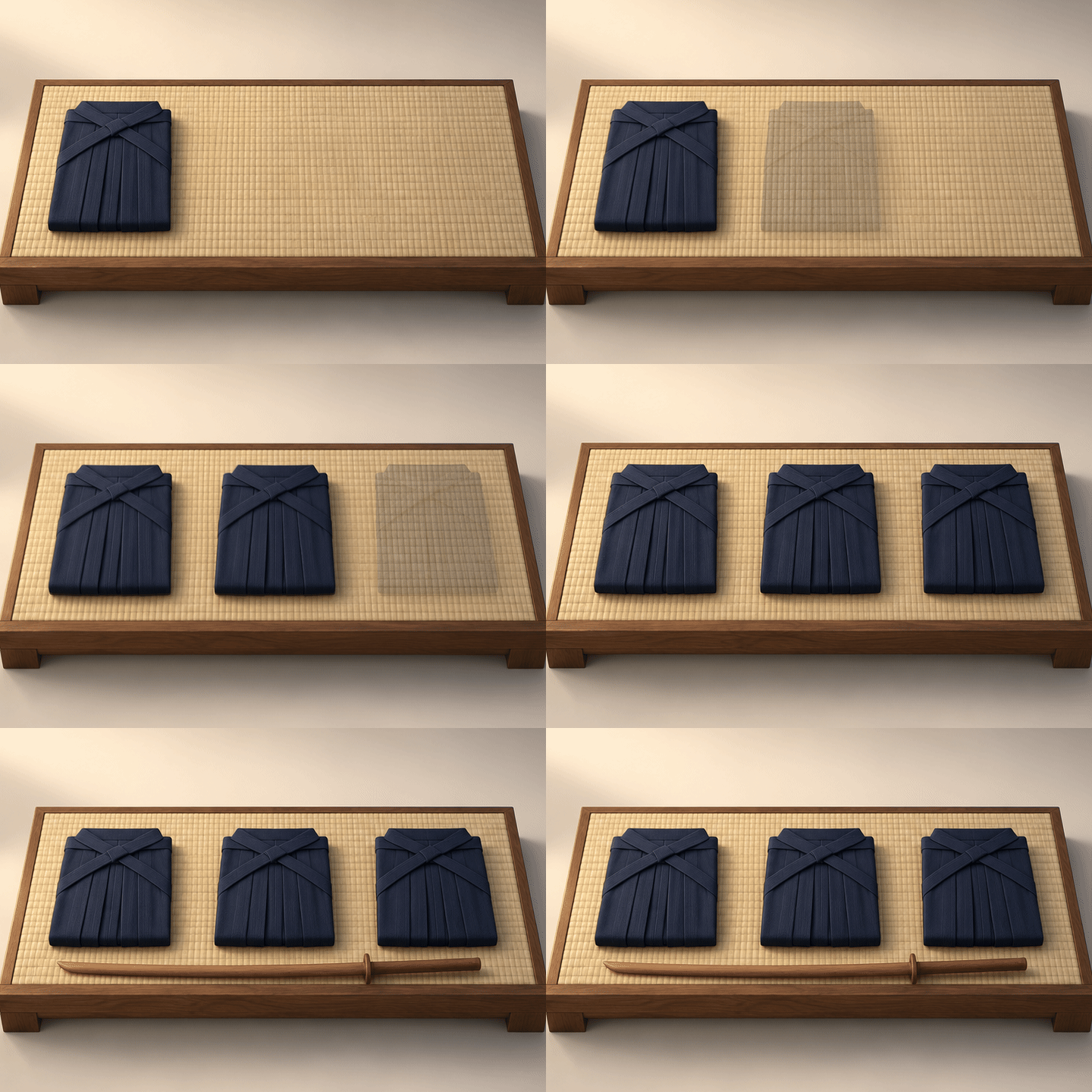
Fold the hakama after each training session, in this order:
- Lay it flat on a clean surface.
- Straighten the back pleats.
- Turn it over and straighten the front pleats.
- Fold the sides in.
- Fold the length in thirds.
- Fold the ties flat and cross them on top.
- Air it before folding if damp.
- Follow the garment's own care label.
Many dojos fold hakama together on the mat after class, and beginners learn the fold by copying seniors. Folding a teacher's hakama is a custom in some dojos and not in others. At home, store it folded flat, not hung by the ties.
Frequently Asked Questions
How to fold a hakama aikido?
To fold the hakama, lay it flat with the back up and straighten the two back pleats. Turn it over and straighten the front pleats from waist to hem. Fold both sides in, then fold the length in thirds. Fold each tie flat and cross them on top. Air it first if it is damp.
How to tie a hakama for aikido?
To tie the hakama, start with the front ties: take them to the back, cross them over the belt knot, bring them forward, cross them low at the front, and tie them at the back. Then place the koshiita against the small of the back and bring the back ties forward to knot at the front.
How to wear a hakama aikido?
To wear the hakama, put on the keikogi and belt first. Step into the hakama, one leg at a time. The hem should hang level, as kneeling and knee-walking show an uneven hem immediately. In many dojos, only students of a certain rank wear it, so ask first. Small details differ between dojos, so follow the way your own dojo teaches and ask a senior to check the result.
How to tie aikido hakama?
To tie the hakama, finish with the back ties. Knot them at the centre front over the front ties. Keep the knot flat to avoid pressing into the body during forward rolls. Tuck the loose ends under the wrapped ties so nothing trails. The knot style varies by dojo, so copy a senior.
Conclusion
Choosing a hakama for aikido starts with the dojo, not with the catalogue. By understanding the rank rules, colour conventions, and proper fitting, you can ensure that your hakama respects the traditions of your dojo. Confirm these details with your instructor and take care of your hakama to maintain its appearance and functionality.