
Hakama pants for men are wide, pleated trousers based on the Japanese hakama, ranging from traditional tie-waist forms to modern streetwear cuts. Choose by use first (training, formal, or everyday), then by waist style and leg width, and check the length against your own outseam before ordering.
Key Takeaways
- Choose by use: Decide whether you need hakama for training, formal occasions, or everyday wear.
- Waist style: The tie waist, wrap waistband, or flat waistband affects how the garment fits and is put on.
- Check length: Measure your outseam to ensure the hakama falls at the right length.
- Different cuts: A divided umanori hakama and fashion hakama pants are distinct garments.
- Top fit: The top should be shorter or closer to the body than the wide legs.
- Product details: The product page states the name, design direction, colour and listed sizes.
What hakama pants for men are
Hakama pants for men are a modern adaptation of the traditional Japanese hakama. These wide, pleated trousers come in various styles, each designed for different occasions and preferences. A traditional hakama is characterized by a tie waist with himo (waist ties) and a koshiita (stiff board at the back), worn over a kimono or a training jacket. In contrast, fashion hakama pants feature either an ordinary trouser waist or a wrap waistband and are worn with everyday tops. The store sells hakama and hakama sets only.
Searches for samurai pants, wide-leg pleated pants, and hakama pants often refer to the same family of garments. The store groups them in a men's hakama pants collection. While the names may differ, the design direction on each listing is the key to understanding the subtle differences between the styles.
The main styles at a glance
The table sets out five designs by design direction, colour and styling use.
| Style | Design direction (from the catalogue) | Colour | Styling use |
|---|---|---|---|
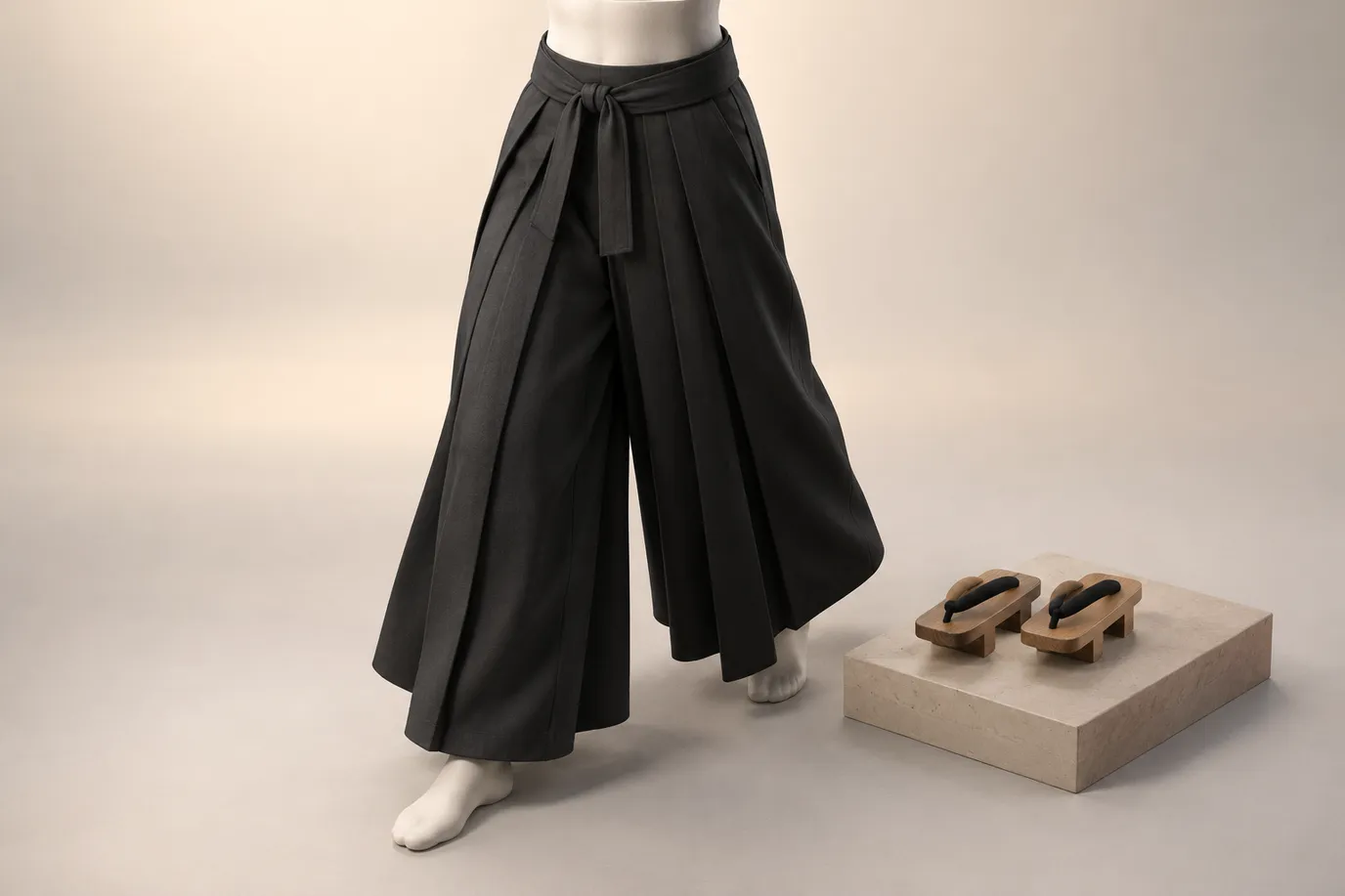
| Men's Japanese Hakama Pants | Relaxed straight-leg hakama trouser with pronounced center pleats | Black | Everyday |
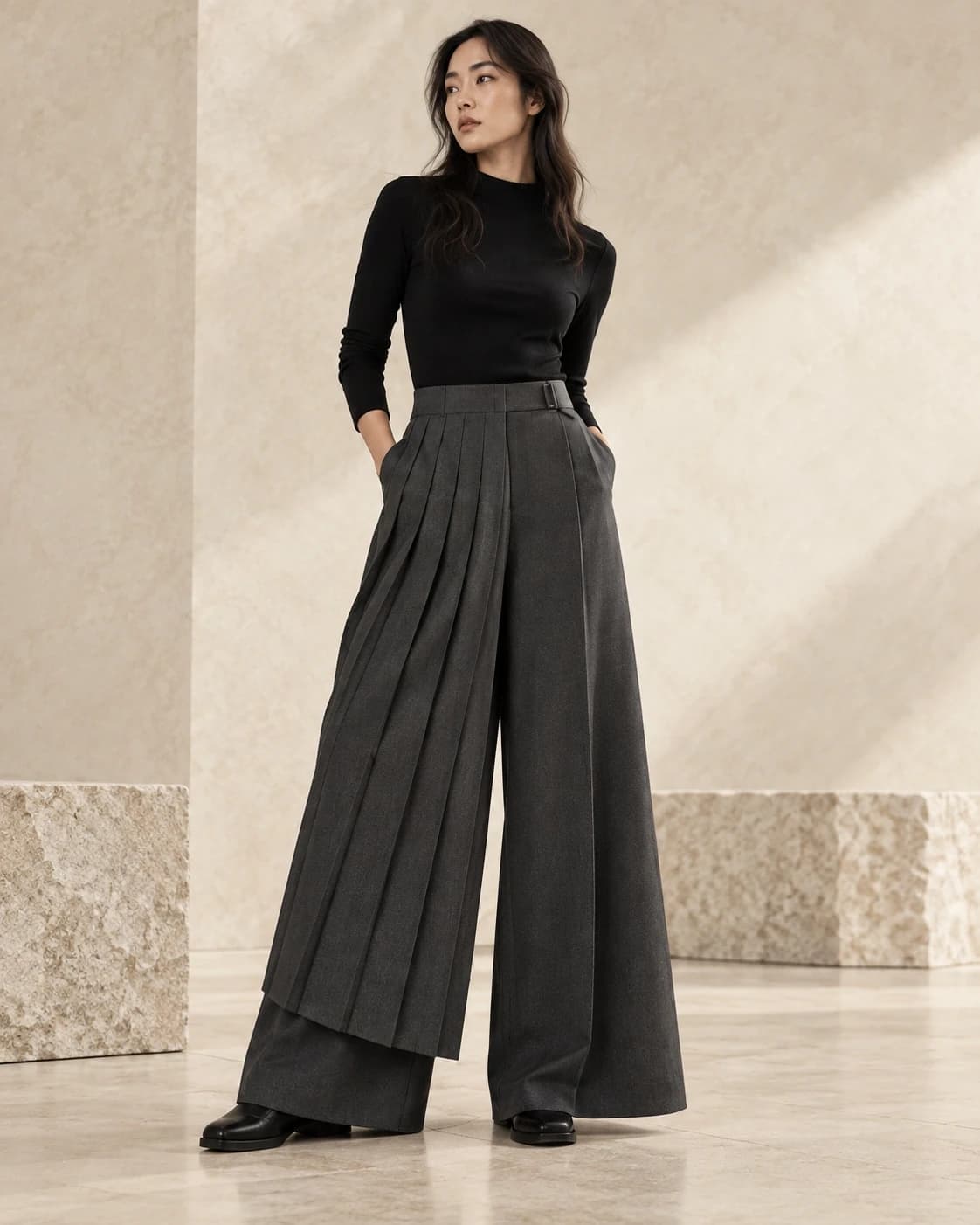
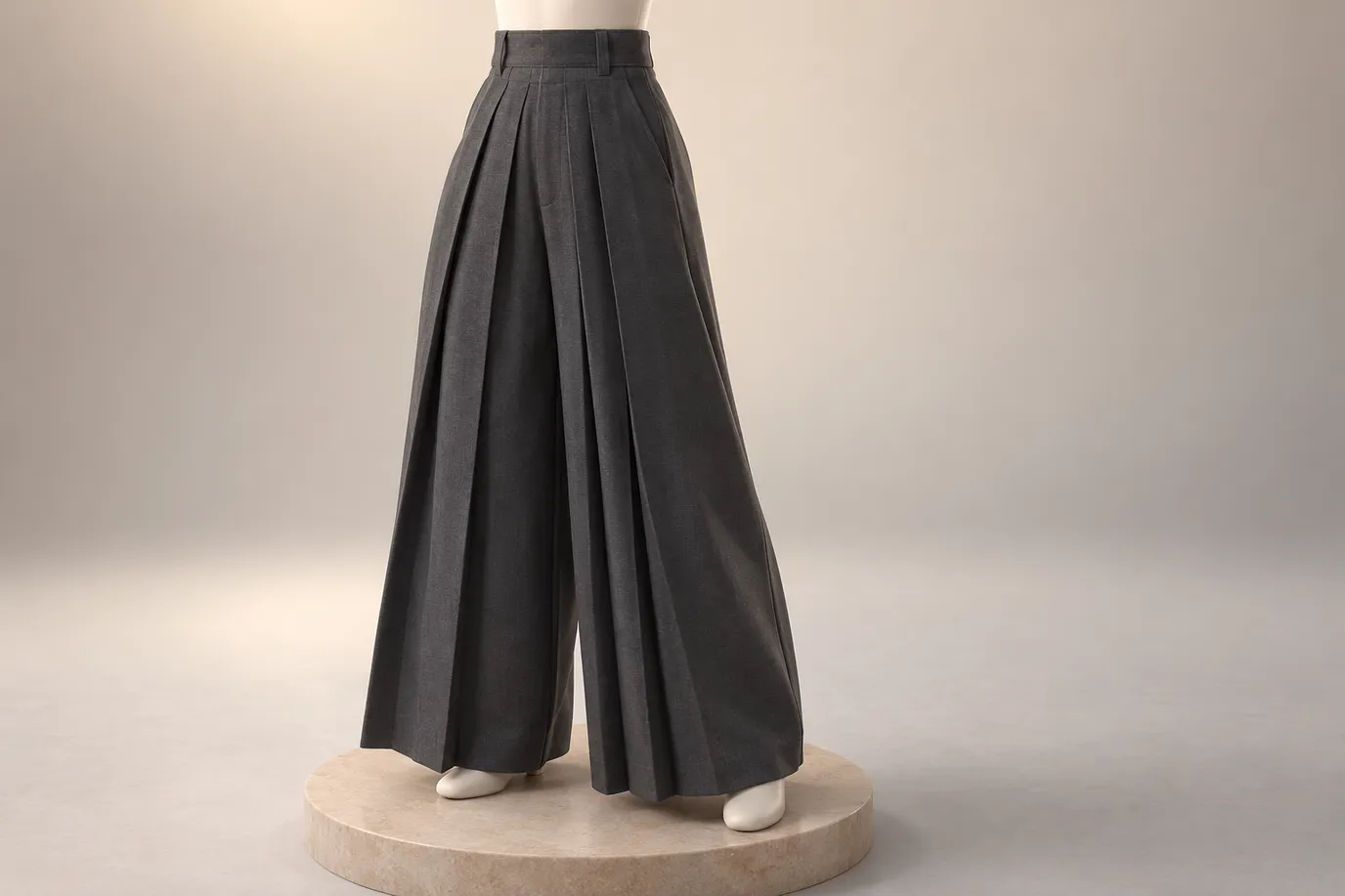
| Men's Pleated Hakama Pants | Long linear pleats, softly squared wide hems, clean high waist | Charcoal | Smart casual |
| Samurai Hakama Pants | Structured broad wrap waistband, full-width divided legs | Ink black | Statement outfits |
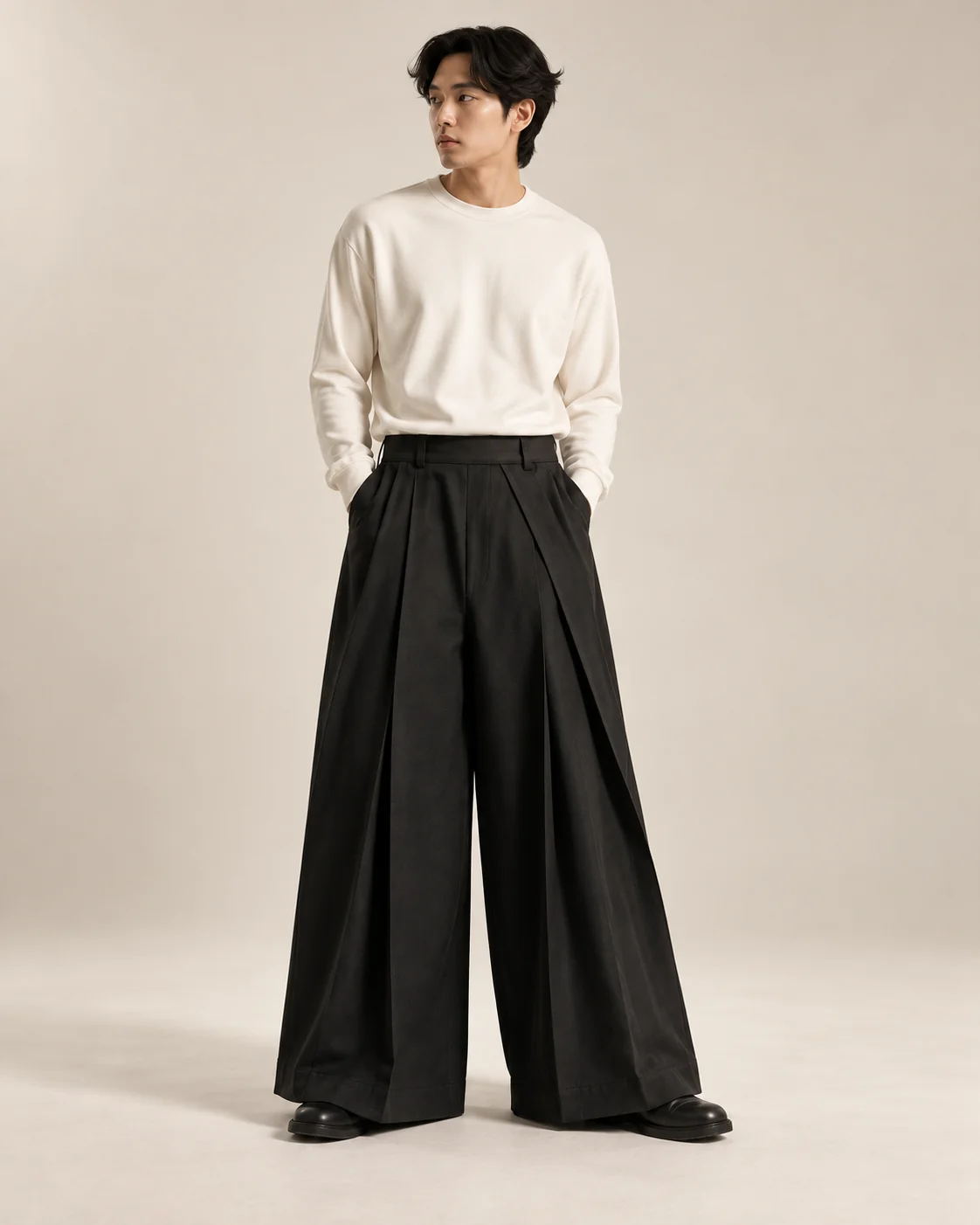
| Modern Streetwear Hakama Pants | Deep front pleats, generous divided legs, clean flat waistband | Black | Streetwear |
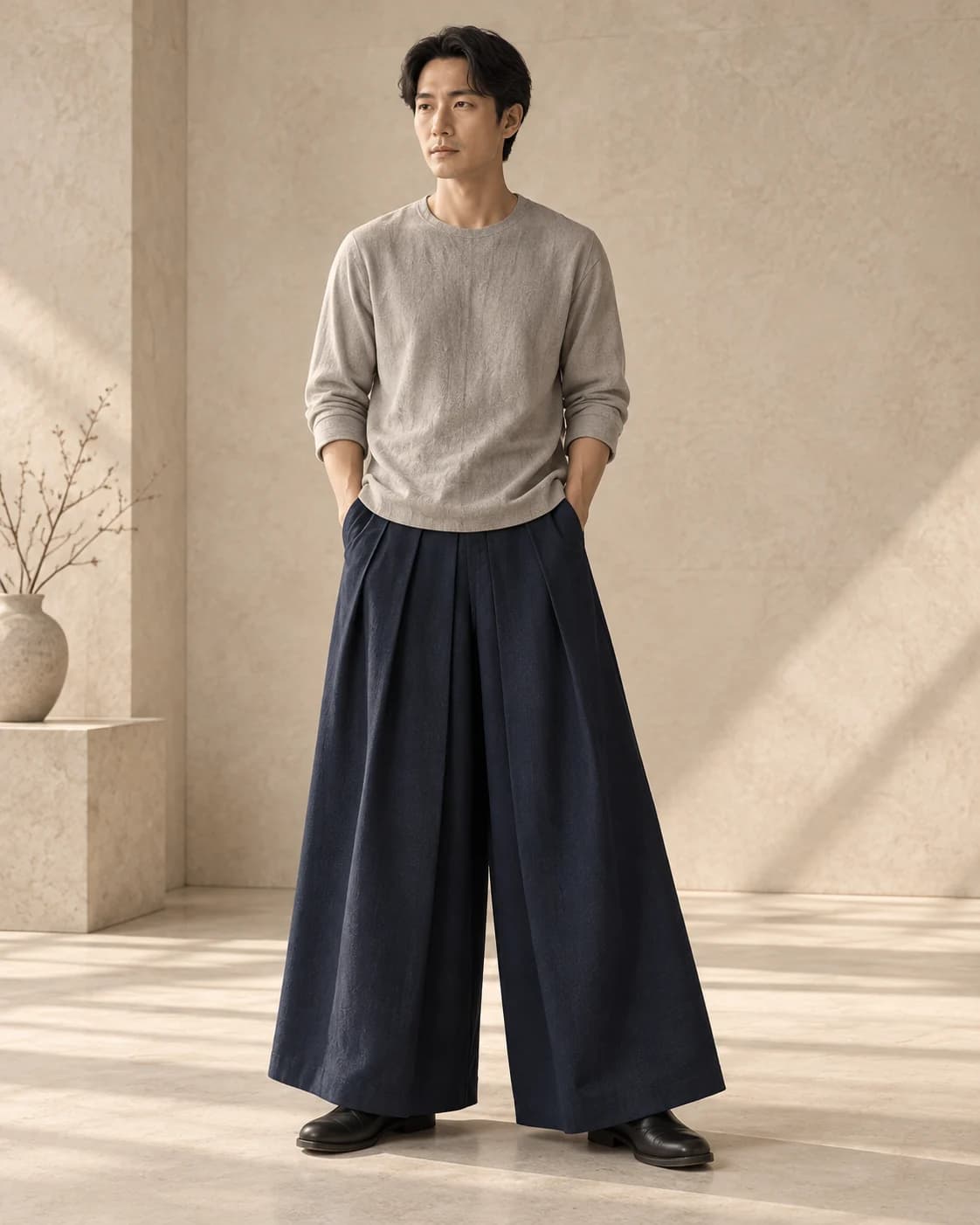
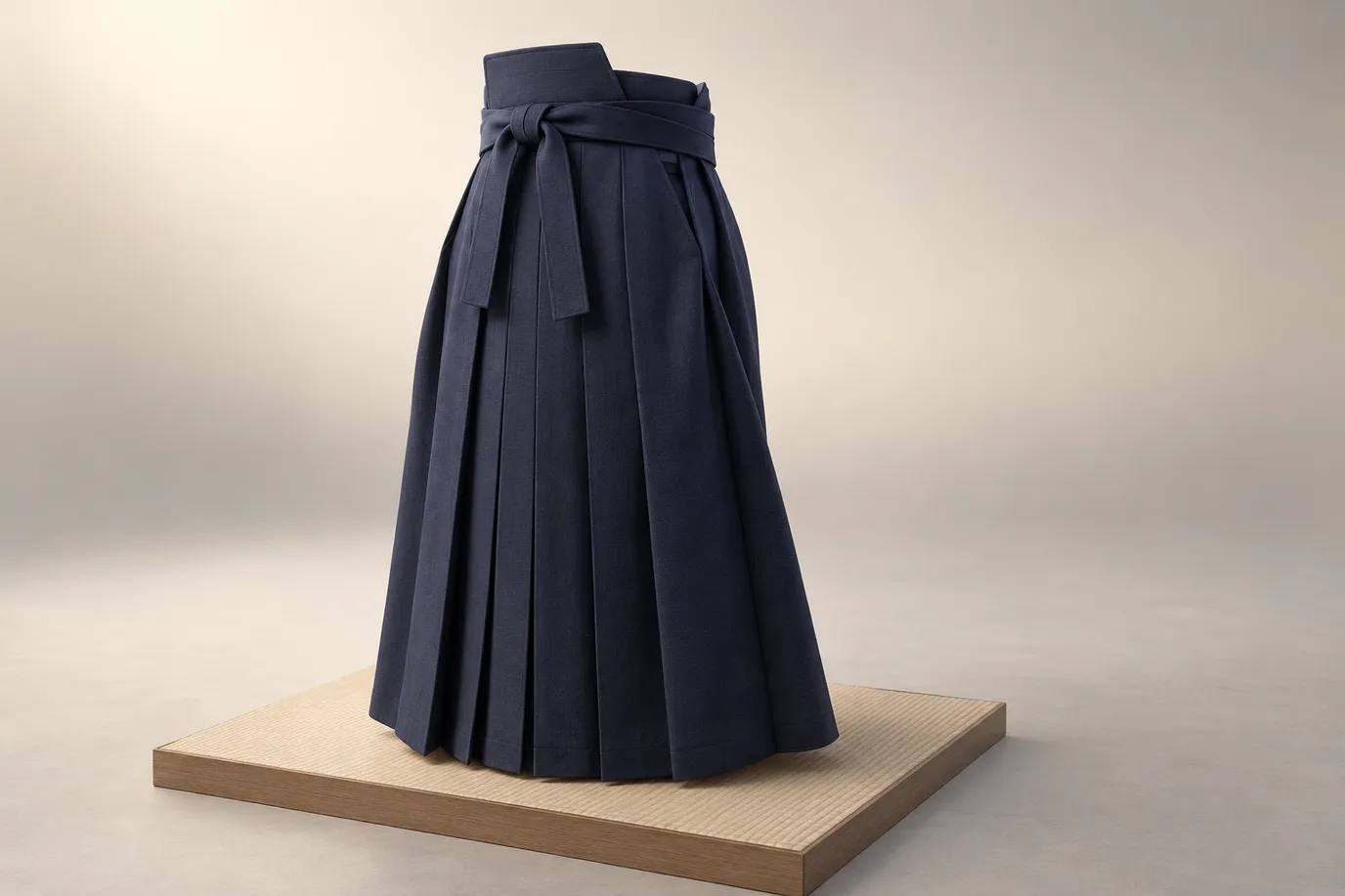
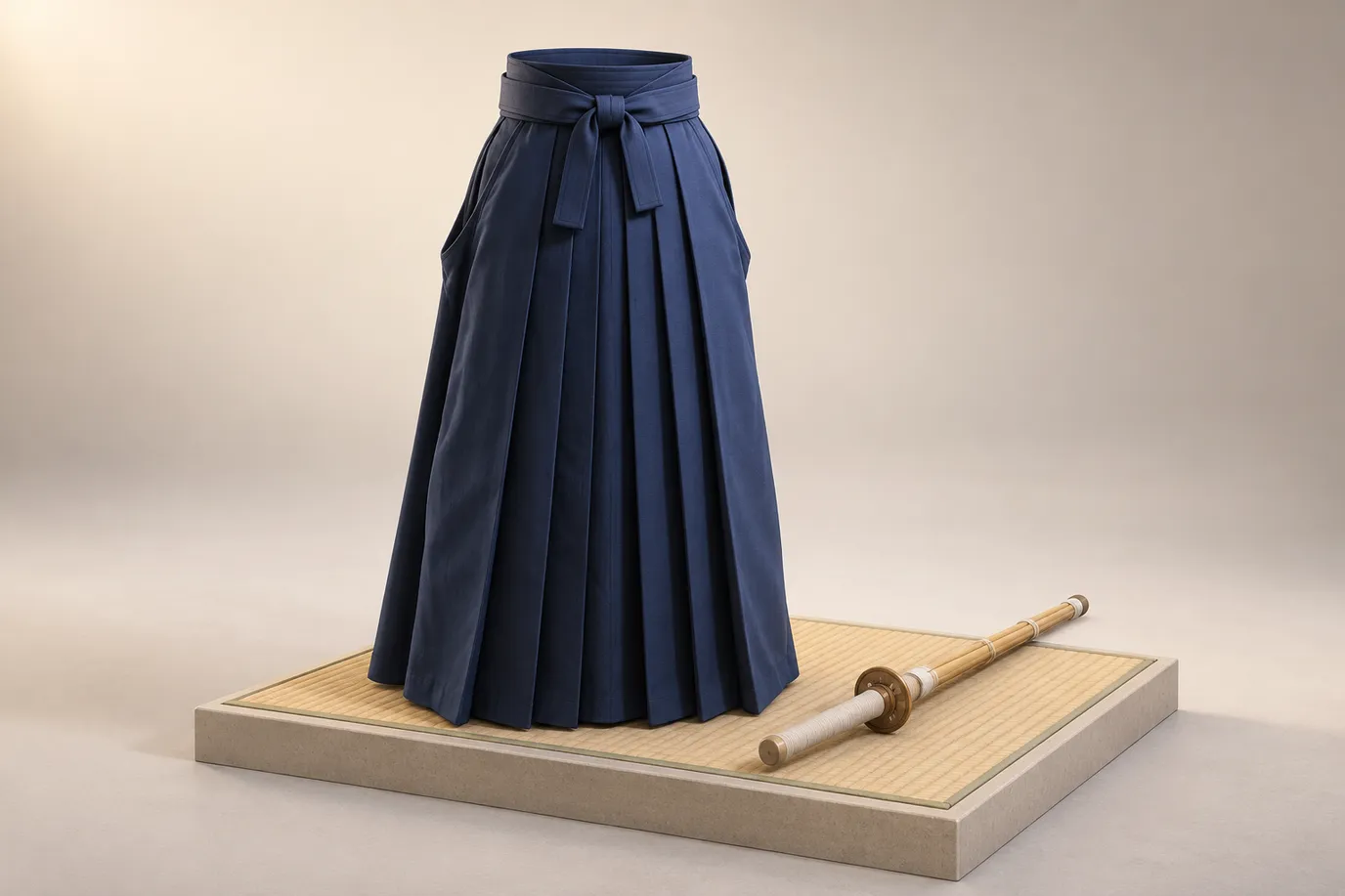
| Umanori Divided-Leg Hakama | Traditional-style divided-leg silhouette with tie waistband | Deep navy | Traditional dress |
Everyday and streetwear cuts
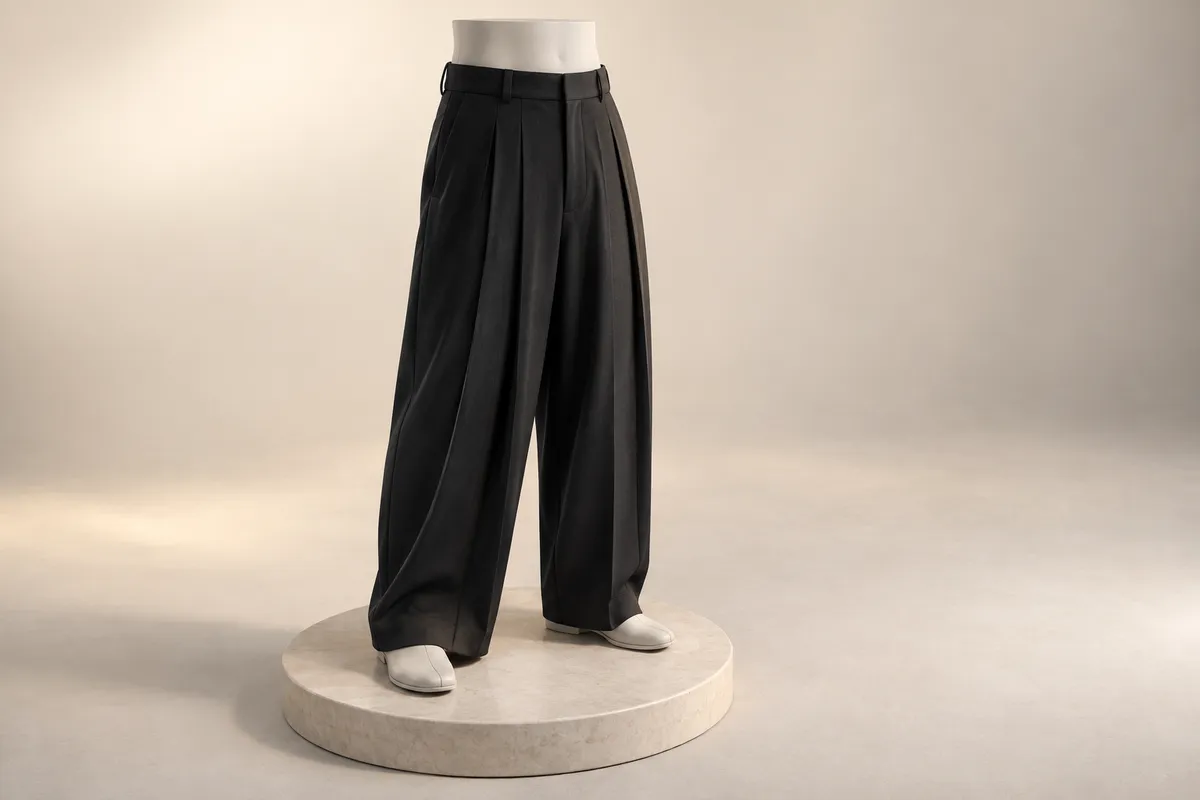
The store lists Men's Japanese Hakama Pants in black, described as a relaxed straight-leg hakama trouser with pronounced center pleats. A straight leg is the easiest entry point for someone used to ordinary trousers. Pair with a plain tee tucked in and low sneakers for a modern, casual look.
The store also lists Modern Streetwear Hakama Pants in black, featuring deep front pleats and generous divided legs with a clean flat waistband. Men's Pleated Hakama Pants in charcoal have long linear pleats, softly squared wide hems, and a clean high waist. The more volume in the leg, the shorter or closer the top should be. Charcoal pairs well with a white shirt for a smart casual look.
Samurai-inspired and statement cuts
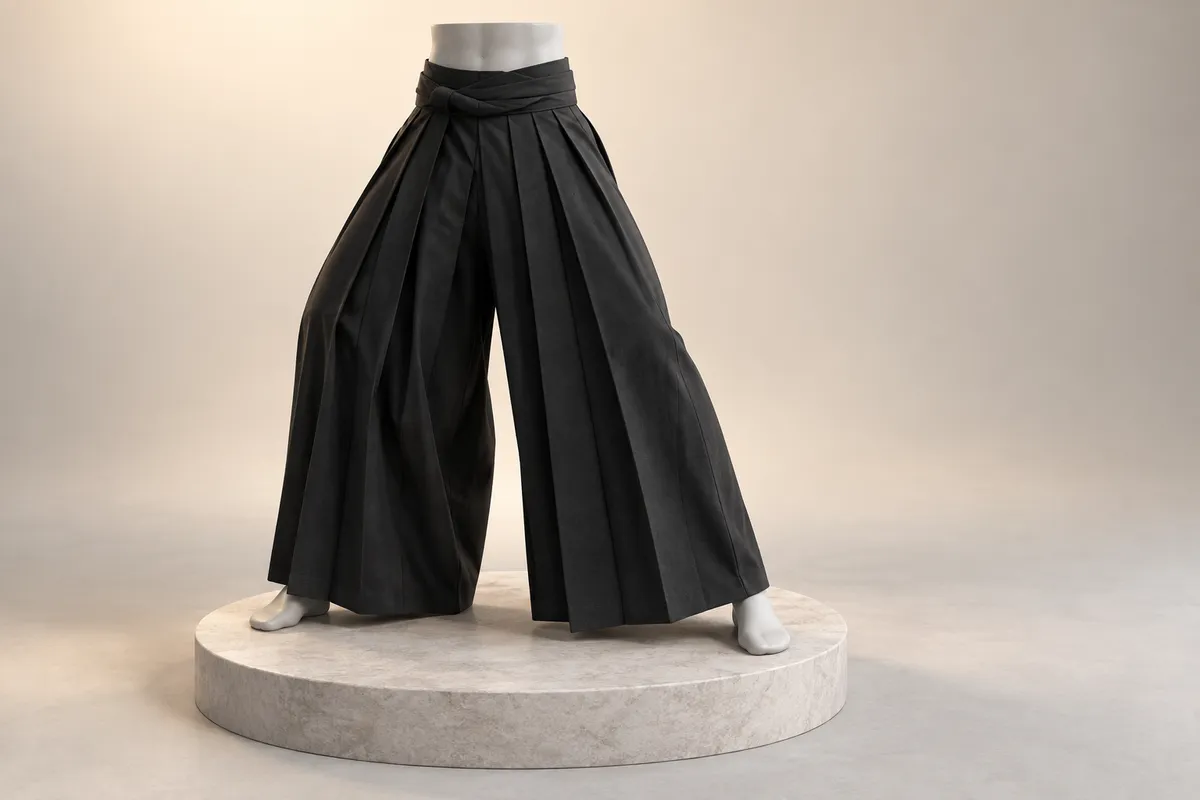
The store lists Samurai Hakama Pants, described as a structured broad wrap waistband with dramatic full-width divided legs. With this much volume below, keep everything above the waist plain and fitted. One statement piece per outfit is the rule. A wrap waistband is the detail to show, so do not cover it.
"Samurai pants" is a search term, not a defined garment category. It often refers to hakama-style trousers with a very wide divided leg and a wrapped or tied waist. The store groups these designs separately from everyday cuts. A statement cut is better suited for events and evenings rather than daily errands.
Traditional divided-leg hakama
The store lists an Umanori Divided-Leg Hakama in deep navy, described as a traditional-style divided-leg silhouette with a tie waistband and measured pleats. A tie-waist hakama takes practice to put on. For martial arts, the dojo's rules decide what is acceptable, so ask the instructor before ordering.
Fit: waist, rise and where the hem should fall
Fit comes down to three things: the waist, the rise and the hem. The waist height of hakama pants can vary from a clean flat waistband to a structured broad wrap waistband. The wide leg is a defining feature of hakama pants, with pleats and leg width varying from a relaxed straight-leg style to a more dramatic full-width divided leg. The outseam is measured from where the waistband will sit down to the hem you want. For everyday wear, the hem commonly falls at the ankle or just touches the shoe. The rise is the distance from the waist position to the crotch and decides how high the waist sits. Compare your own measurements with the listed sizes and ask the store if unsure.
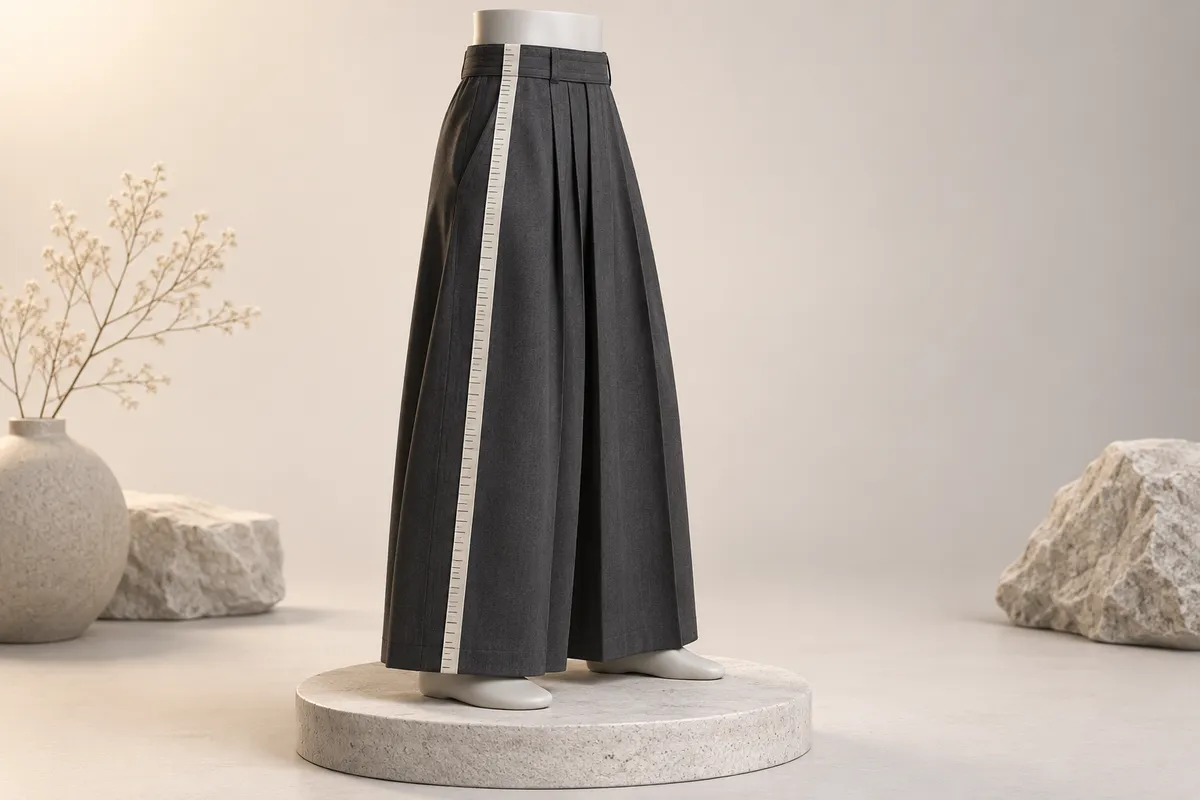
Measure the outseam on yourself standing straight, from where you want the waistband to sit down to where you want the hem. A higher waist position needs a longer outseam for the same hem. Wide legs hide a slightly long hem less well than slim trousers because the cloth pools. The site's size guide shows each step.
Three common fit mistakes for men: wearing the waistband at the hips like jeans, which drops the hem and bunches the pleats; choosing by waist only and ignoring the outseam; ignoring the rise, which decides whether a high waist sits where it should. The fix for each: wear it at the natural waist; measure the outseam at that waist position; compare rise where the store states it and otherwise ask.
What to check on the product page
When browsing hakama pants on a product page, it’s important to check the following details: the name and design direction, which can give you insights into the look and intended use. The colour of the hakama pants can influence the overall look and how it pairs with other garments. Common colours include black, charcoal, and deep navy. Ensure that the sizes are listed and that you choose the right size based on your measurements. The designs named in this guide are shown in listed sizes S to XXL. Check the fastening (ties, wrap, or ordinary waistband), the form (divided or not), and note that concept images are design studies.
Read the product page in this order: the name and category tell you the intended use; the design direction tells you the leg shape and waist type; the colour tells you what it will pair with. The listed sizes S to XXL are labels, not measurements, so compare them with your own waist and outseam. If a detail you need (fastening, form, length) is not stated, ask the store before ordering instead of assuming.
What to wear with them
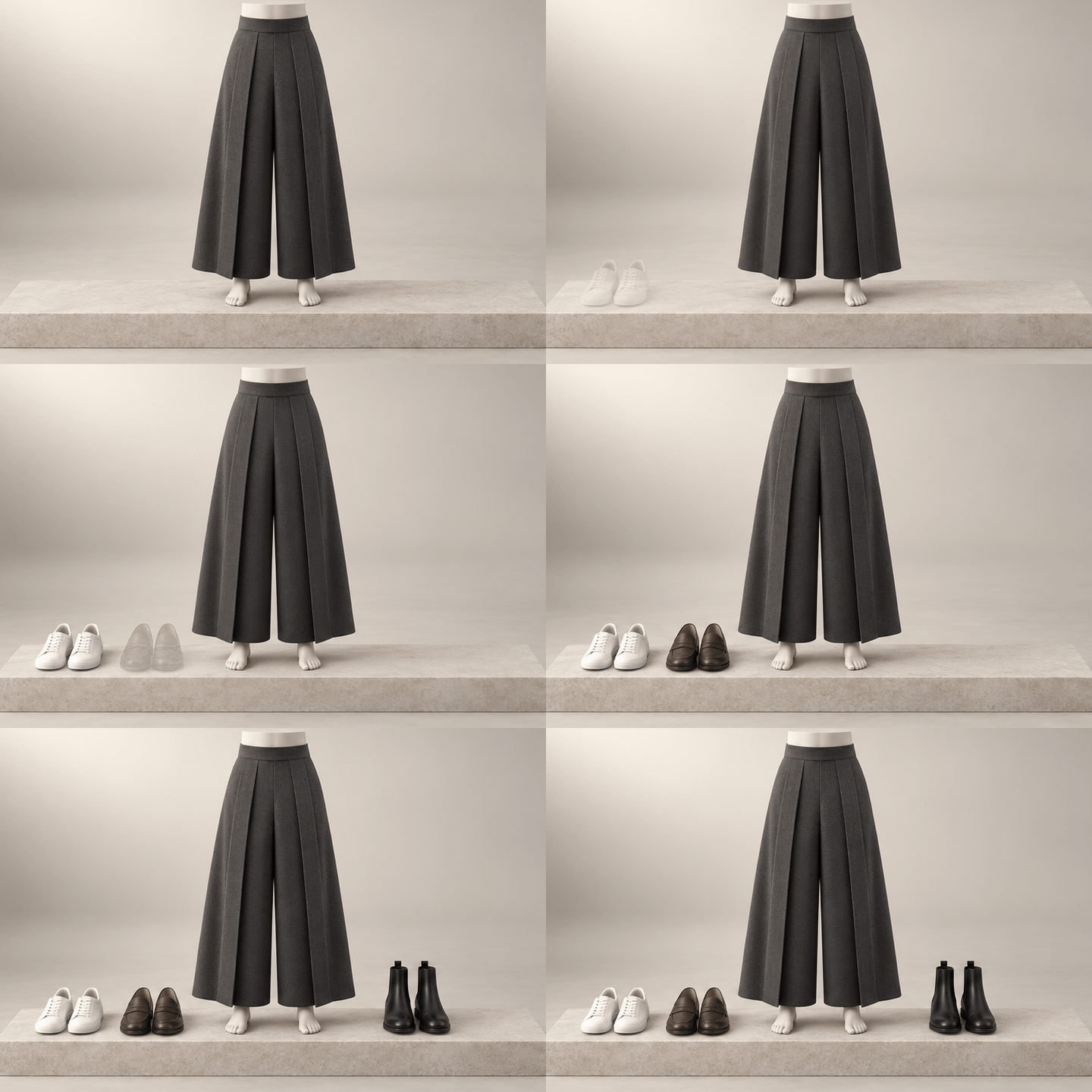
Styling hakama pants can be straightforward. For a top, choose one that is shorter or closer to the body than the legs. Tuck or crop the top to balance the wide legs. Aim for two or three tones to keep the look cohesive. Flat, simple shoes complement the style. The store does not sell tops, jackets, or shoes, so you can mix and match with your existing wardrobe.
A jacket should end at the waistband or above it. A long coat hides the pleats, which are the point of the garment. A belt is only for a waistband with loops, so check the product page. For complete formulas by occasion, see the guide to hakama outfit ideas.
Frequently Asked Questions
Is hakama for men or women?
Hakama are worn by all genders in martial arts and formal dress. Men's cuts differ mainly in rise and waist shape. Formal women's hakama for graduation are usually the undivided andon form. Read the listed sizes instead of relying on the label. A label such as men's or women's on fashion hakama pants describes the cut, not who may wear it. Choose by your own waist, rise, and outseam. In a dojo, everyone wears the same form.
How to style hakama pants men?
To style hakama pants for men, tuck in a plain tee or fine knit. Pair with a short jacket that ends at the waistband. Choose low sneakers or loafers. Stick to two or three tones. Avoid long coats over the pleats. The reason is proportion: the pleats carry the visual weight, so a short neat top keeps the waist visible. One accent colour is enough. A hem that just touches a flat shoe looks cleaner than one that pools.
What do men wear with hakama?
In traditional dress, men wear a kimono and obi under the hakama, with a haori on top for formal occasions. In martial arts, a keikogi is worn. In everyday fashion, a tee, shirt, or knit is suitable. The store sells hakama and hakama sets only. Do not mix the two worlds: a formal kimono outfit follows its own rules, and an everyday outfit should carry only one Japanese-coded piece. Shoes, tops, and jackets come from your own wardrobe. This keeps the look balanced and modern.
Are hakama pants or skirts?
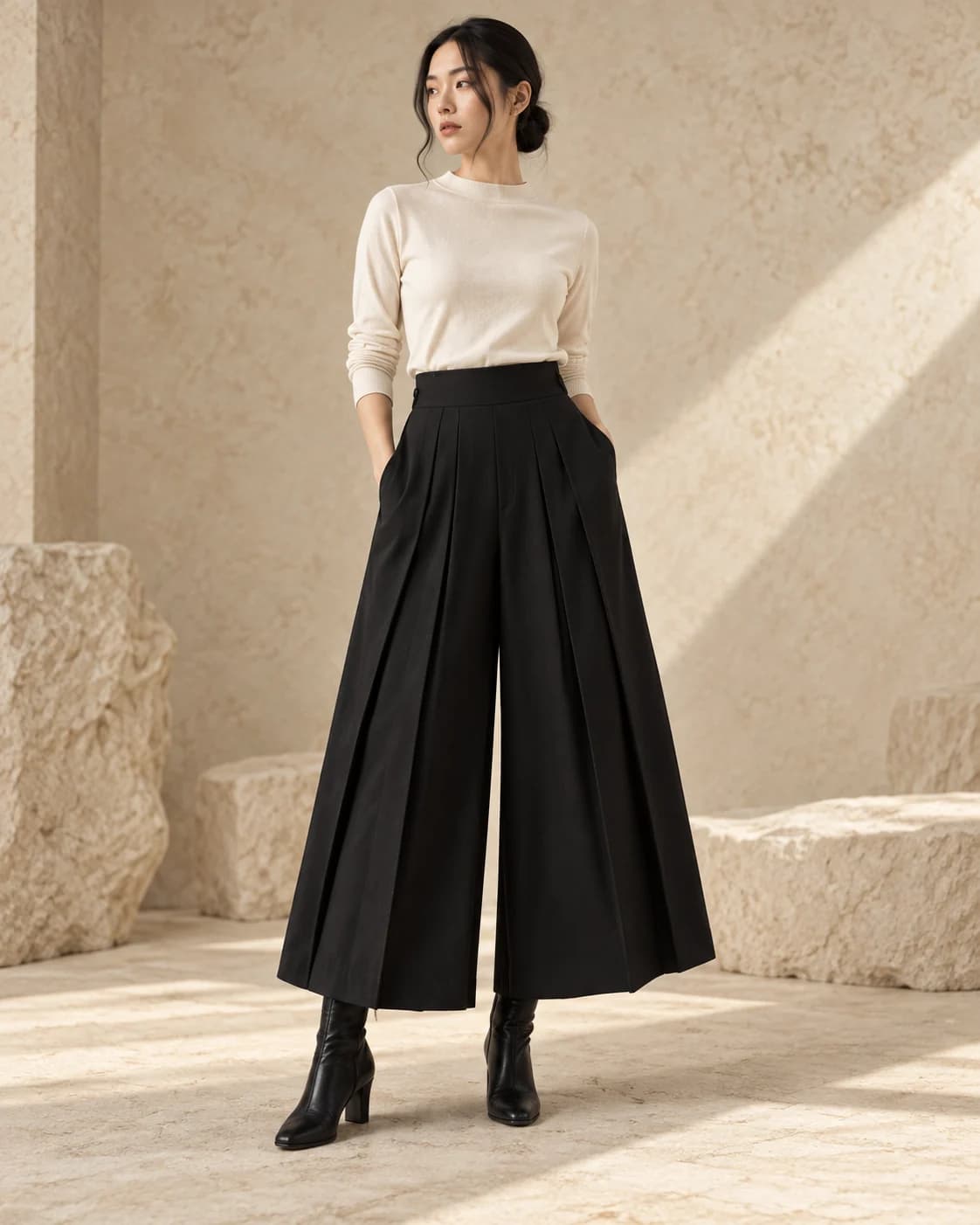
Hakama are traditionally described as wide-legged trousers, but they can appear similar to skirts from the front. There are two main styles: umanori (divided-leg) and andon (undivided). Umanori hakama have two separate legs, similar to very wide trousers, while andon hakama have one continuous tube, like a skirt. Both styles are characterized by their wide pleats and high waist.
How to wear hakama pants?
Wear hakama pants at the natural waist. Check the product page for the fastening type, tie, wrap, or ordinary waistband. The hem should fall at the ankle or just touch the shoe. Measure your outseam before ordering. Keep the top short or tucked in. If the design has real ties, the front ties go on first and the back ties are knotted at the front. If it has a wrap waistband, wrap it flat and do not cover it with a long top. Sit down once to check the rise before going out.
Conclusion
Choose hakama pants for men by use, waist style, and length. Read the design direction on the listing. Measure your outseam before ordering. Compare the designs in the men's collection.