
Traditional Japanese clothing for women centres on the kimono, which comes in levels of formality such as the long-sleeved furisode, the homongi, and the tomesode. The yukata is a light summer robe. A hakama is worn over a kimono for graduations and ceremonies, and in some martial arts.
Key Takeaways
- Formality: Furisode is a formal kimono with long sleeves, often worn by unmarried women for special occasions.
- Casual Wear: Yukata is a lightweight, casual robe suitable for summer festivals and informal gatherings.
- Hakama: An andon-style hakama is worn over a kimono for formal events like graduations and martial arts.
- Accessories: The obi, zori, and tabi are essential accessories that complete a traditional Japanese outfit.
- Modern outfits: Wide pleated hakama pants carry the hakama shape into everyday outfits when the top is short or tucked.
What traditional Japanese clothing for women includes
Women's traditional dress in Japan is a family of garments ordered by formality. At the heart of this tradition is the kimono, a T-shaped robe that can vary in formality and design. The furisode is a highly formal kimono with long sleeves, often adorned with intricate patterns and vibrant colors. It is commonly worn by unmarried women for special occasions such as coming-of-age ceremonies, weddings, and some graduations. The homongi is a semi-formal visiting kimono, suitable for parties and formal gatherings. The tomesode is another formal kimono, typically worn by married women at family weddings and other significant events.
In addition to the kimono, women's traditional dress includes the yukata, a lighter and more casual version of the kimono, perfect for summer festivals and informal settings. The hakama, a pleated lower garment, is also a significant part of women's traditional clothing, often worn over a kimono for formal events like graduations and martial arts ceremonies.
The kimono and its levels of formality
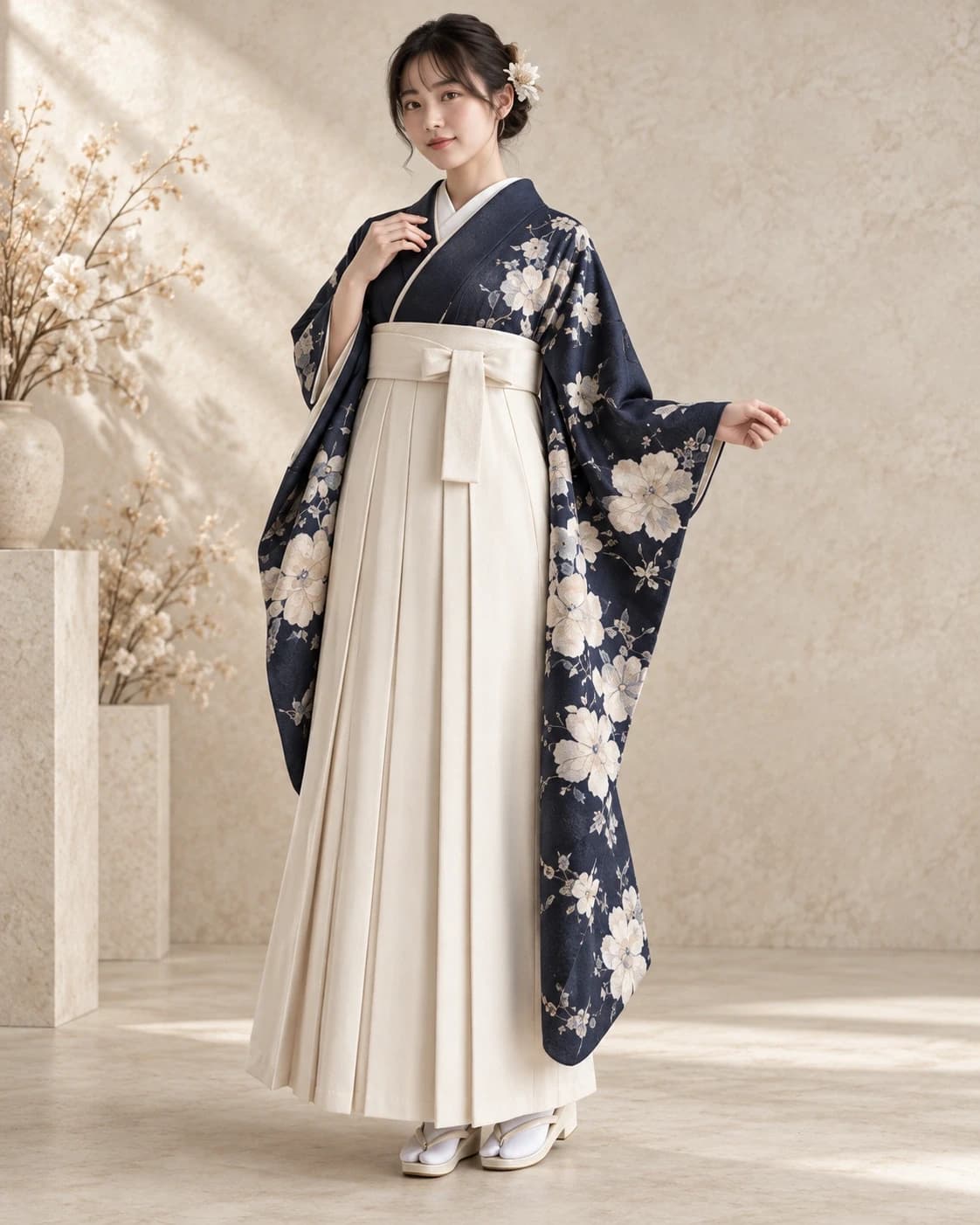
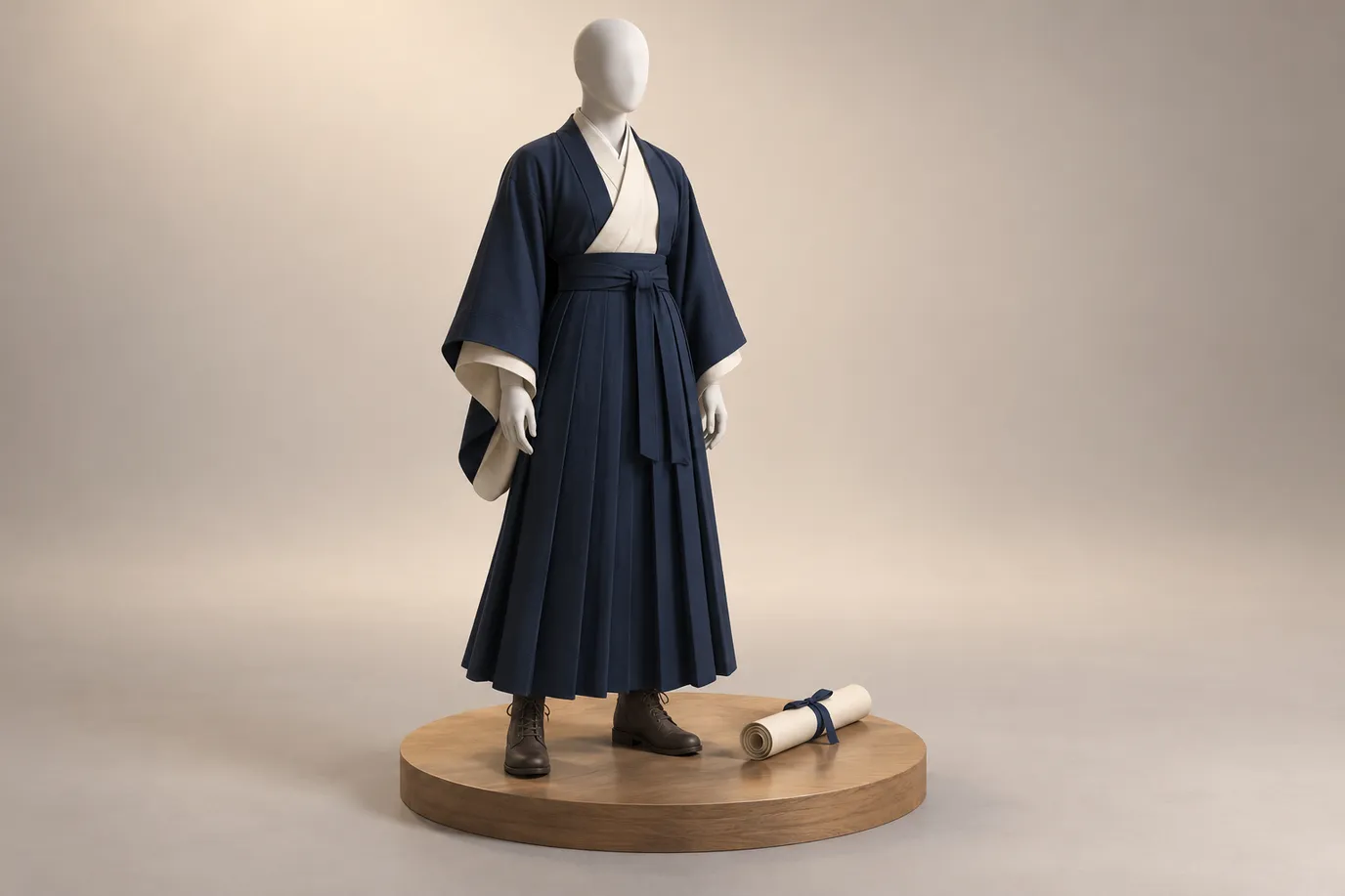
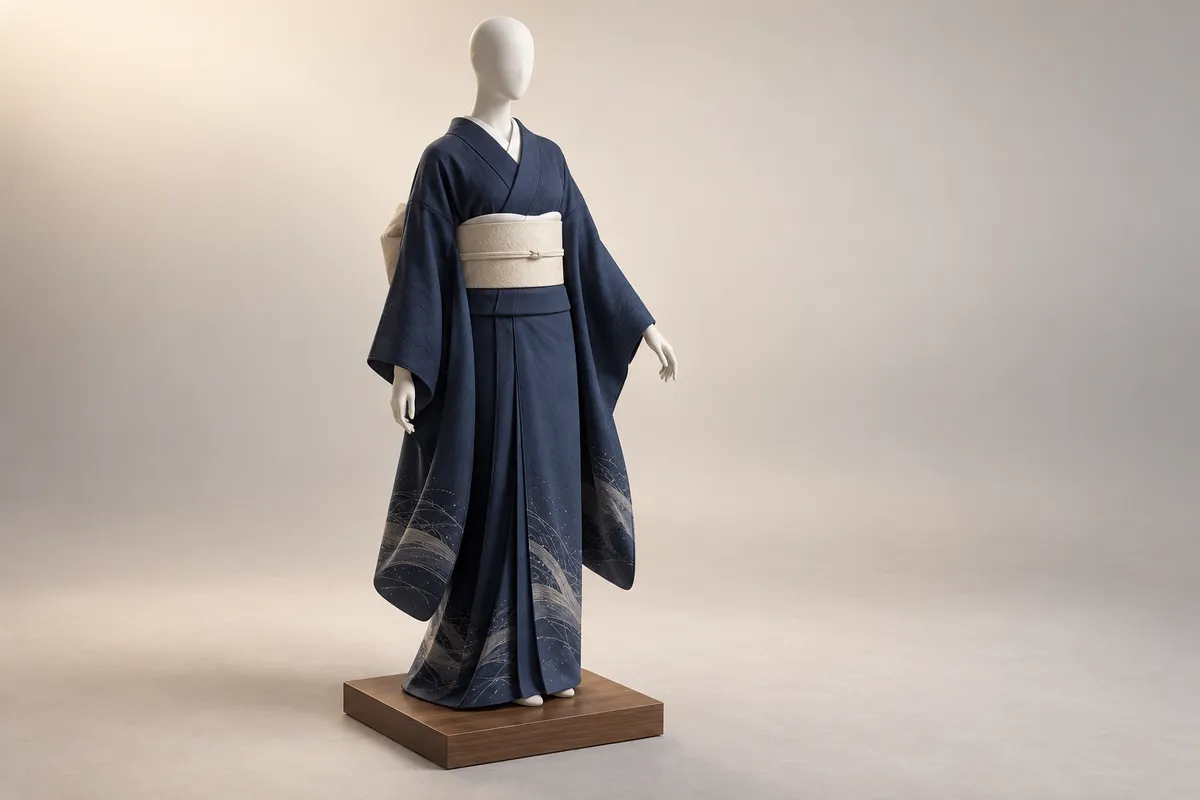
The kimono is more than just a garment; it is a symbol of Japanese culture and tradition. Each type of kimono has its own level of formality and is typically worn for specific occasions. The furisode is the most formal of all, characterized by its long sleeves and elaborate designs. It is commonly worn by unmarried women and is a staple at coming-of-age day celebrations, weddings, and some graduations. For those looking to purchase a graduation set, the Furisode Kimono + Andon Hakama Graduation Set pairs a deep navy and ivory kimono with subtle abstract floral art and a flowing andon-style hakama skirt.
The homongi is a semi-formal kimono, often worn for parties and ceremonies. Its pattern commonly flows across the seams, and it suits a wide range of semi-formal events. The tomesode is another highly formal kimono, typically reserved for married women. It is often seen at family weddings and other significant family gatherings. The tomesode is distinguished by its shorter sleeves and more subdued, elegant designs.
Yukata and other casual wear
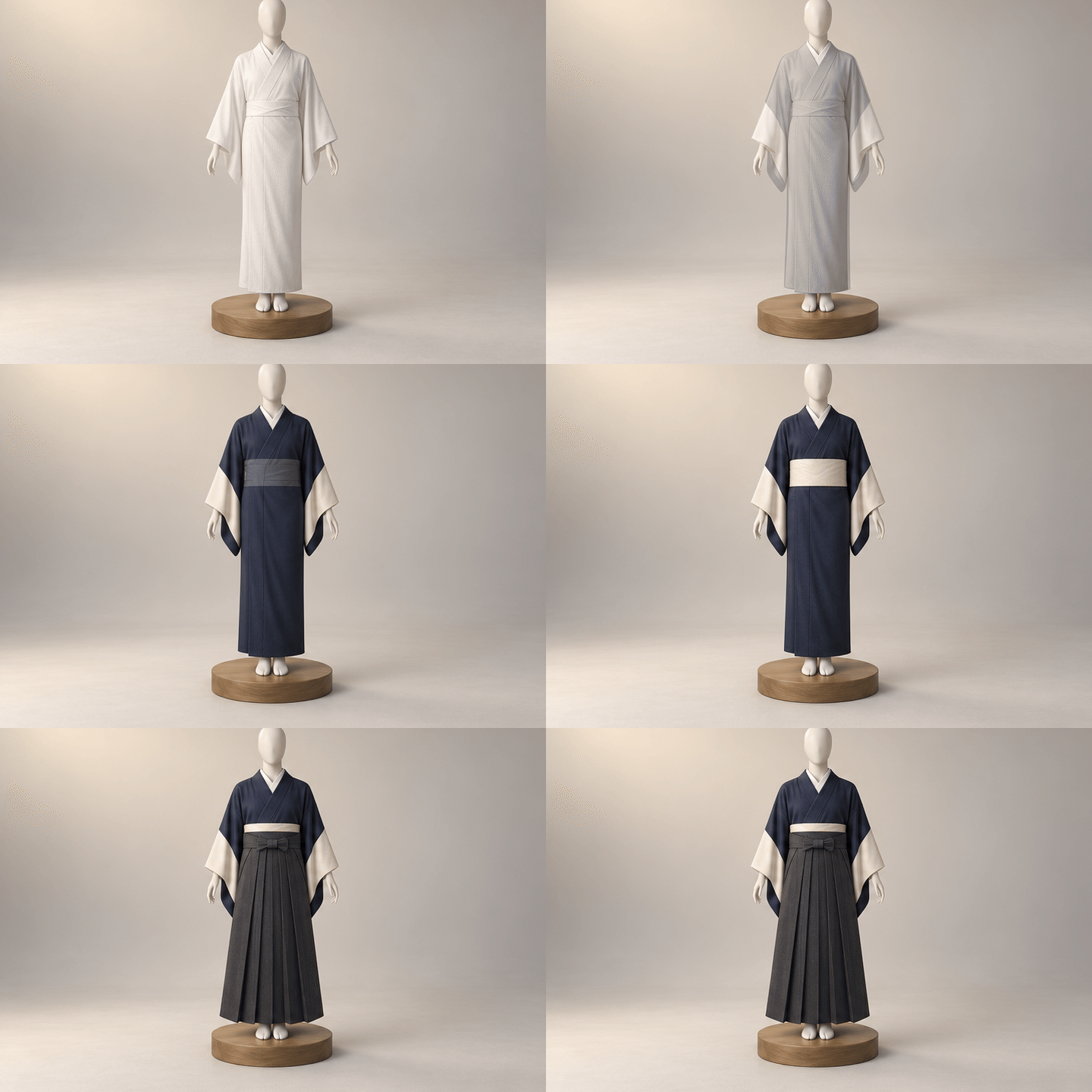
The yukata is a lighter and more casual version of the kimono, worn at summer festivals and informal gatherings. It is unlined and simpler to put on than a formal kimono, which is why it suits warm evenings and casual events. A narrower obi is commonly used with a yukata and tied in a simpler bow than the formal knots worn with a furisode, and it is usually worn without tabi. The yukata's simplicity and comfort have made it a beloved choice for both traditional and modern wear.
In addition to the yukata, other casual wear options include the haori, a short jacket that can be worn over a kimono or yukata, and the nagajuban, an under-kimono that is essential for a complete and comfortable outfit. These pieces add layers and versatility to women's traditional dress, allowing for a range of styles and occasions.
Where the hakama fits
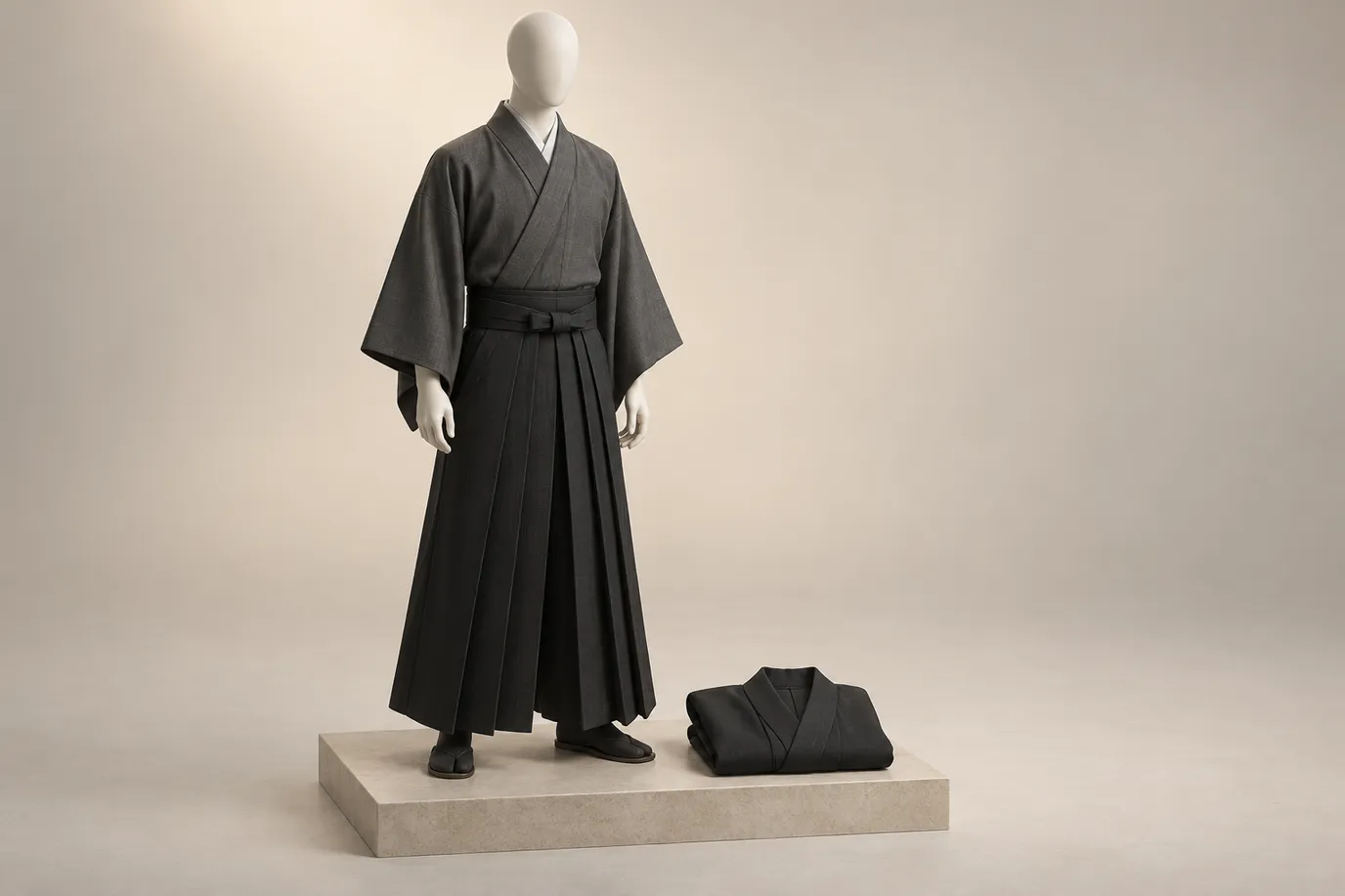
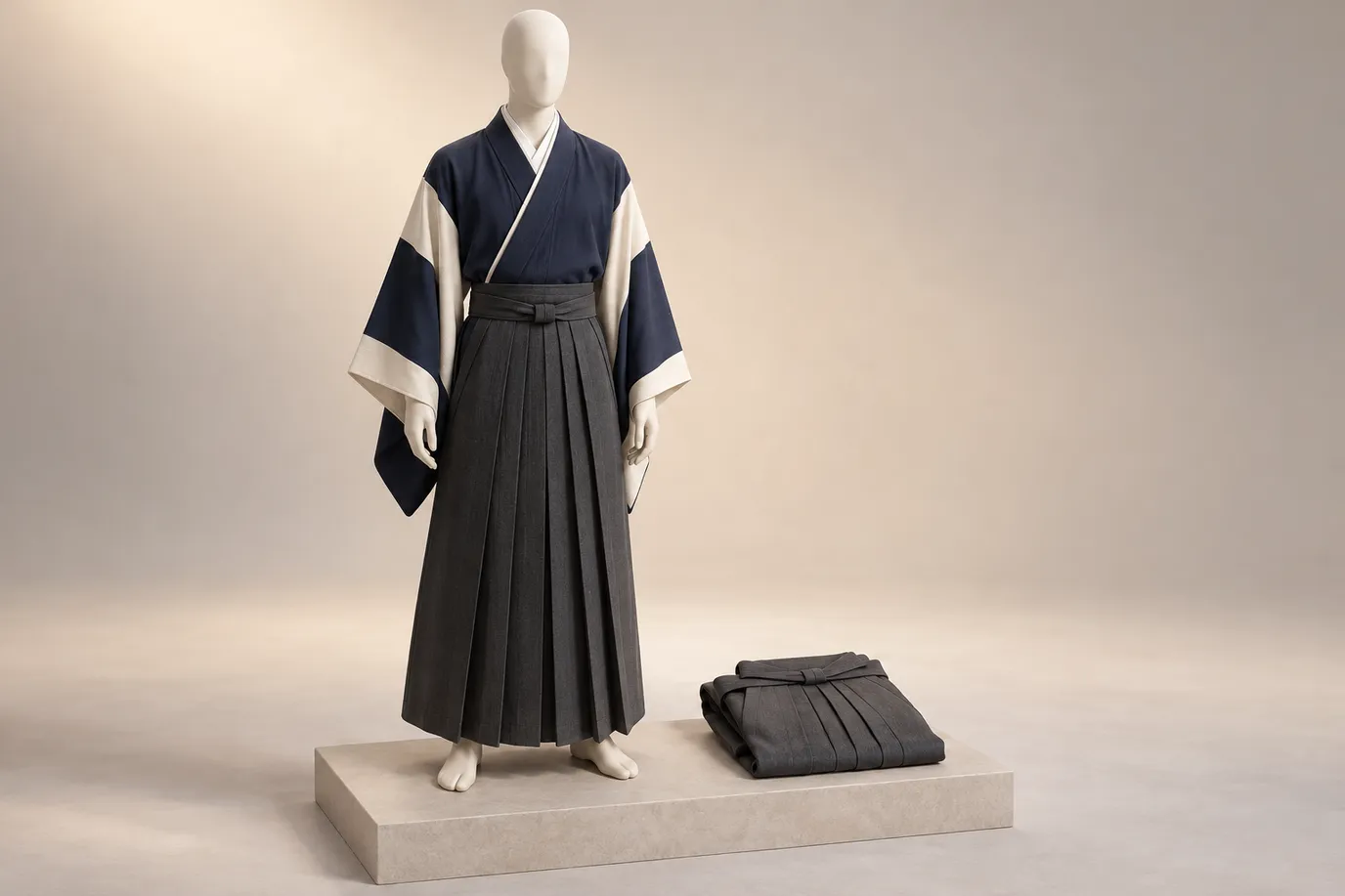
The hakama has a clear place in women's traditional dress. It is a pleated lower garment, either divided like wide trousers or undivided like a skirt, worn over a kimono for formal events such as graduations and ceremonies. The andon style of hakama, an undivided skirt-like form, is commonly worn for these occasions. It is tied above the obi, ensuring that a band of the obi is visible. For a graduation, a professional dresser commonly ties it on the day, and conventions vary by school.
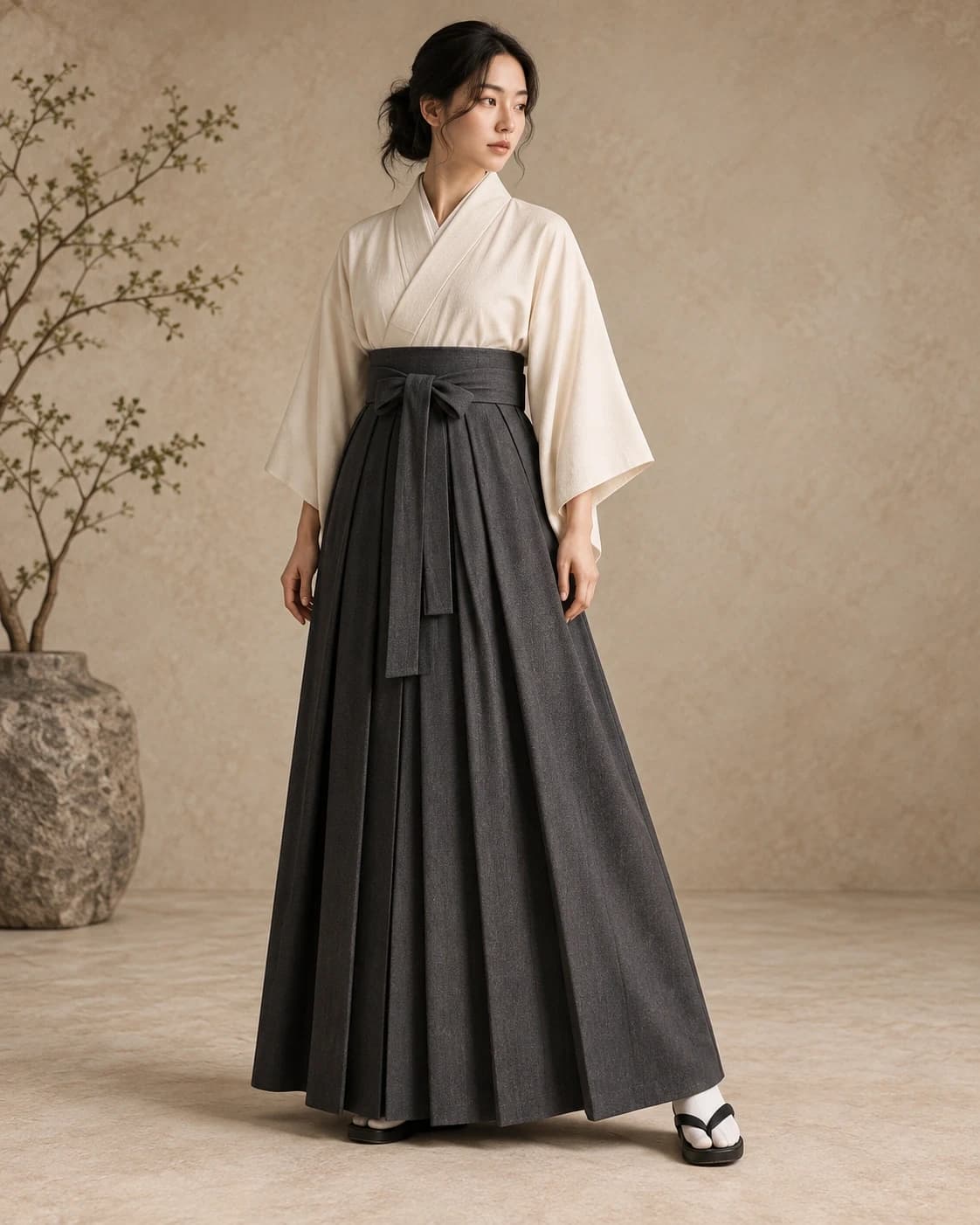
In martial arts, the hakama is also an essential part of the uniform. For those interested in the differences between the andon and divided hakama, how an andon hakama differs from a divided one is explained in a separate guide. The andon style, with its structured waist and cascading pleats, reads as formal and calm.
For readers who want the hakama on its own, the store lists the Andon Skirt-Style Hakama in charcoal, an undivided andon skirt silhouette with a structured waist and cascading pleats, listed in sizes S to XXL.
Accessories: obi, footwear and layers
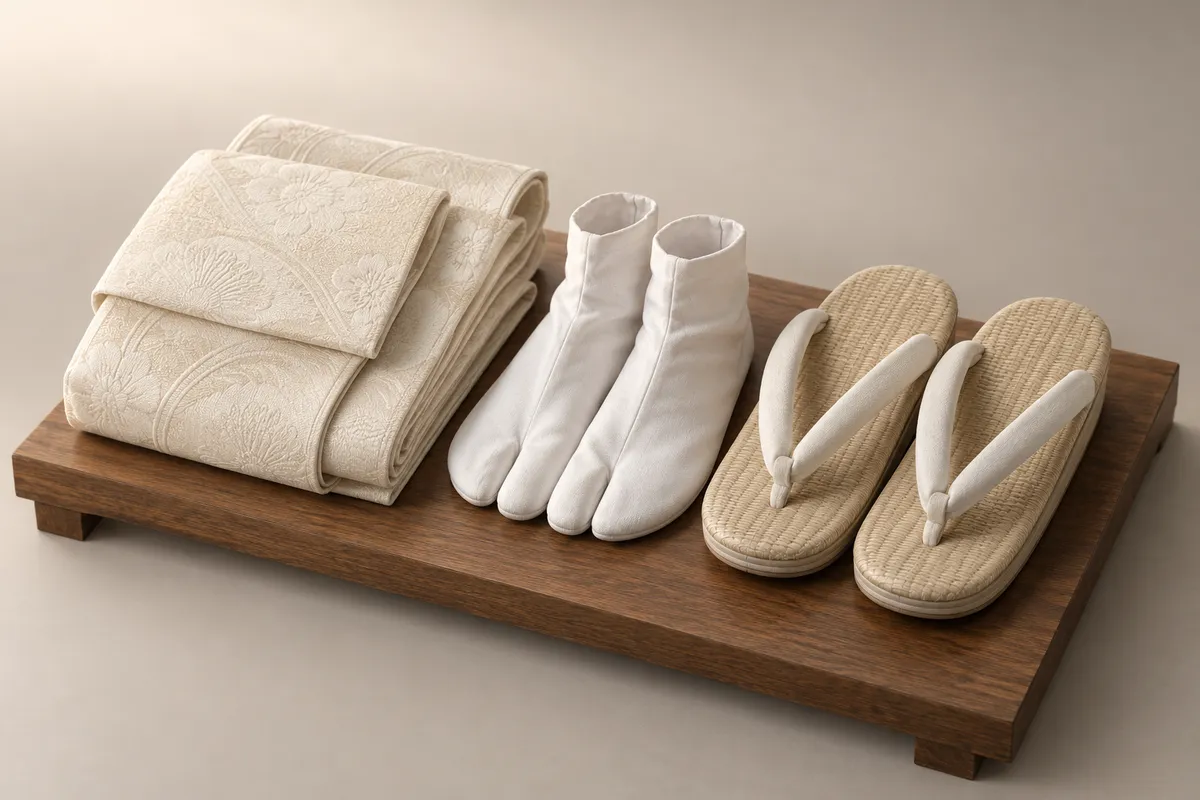
Accessories are crucial in completing a traditional Japanese outfit. The obi is a wide sash that is tied around the waist over the kimono or yukata. It not only serves as a functional element but also adds a decorative touch with its various patterns and colors. The obi can be tied in a variety of ways, each with its own significance and aesthetic appeal.
Footwear is another important aspect of women's traditional dress. Zori and geta are the most common types of traditional footwear. Zori are flat sandals with a thong between the toes, while geta are elevated wooden sandals with two or three teeth. Both are designed to complement the elegance of the kimono and provide comfort during events.
For a complete and comfortable outfit, the nagajuban is worn as an under-kimono. It helps to absorb sweat and provides a smooth base for the kimono to be worn over. Tabi, a type of split-toe sock, is also worn with zori and geta to ensure a secure and comfortable fit.
Women's garments compared
| Garment | Formality | Typical occasion | Sold by Hakama Pant |
|---|---|---|---|
| Furisode | Formal | Coming-of-age day, weddings, some graduations | Only within the graduation set |
| Homongi | Semi-formal | Parties, ceremonies | No |
| Tomesode | Formal | Family weddings | No |
| Yukata | Casual | Summer festivals | No |
| Hakama over kimono | Ceremonial | Graduation, martial arts | Yes |
These conventions can vary by region, school, and event, but they provide a general guide to the formality and typical use of each garment.
Traditional pieces in a modern outfit
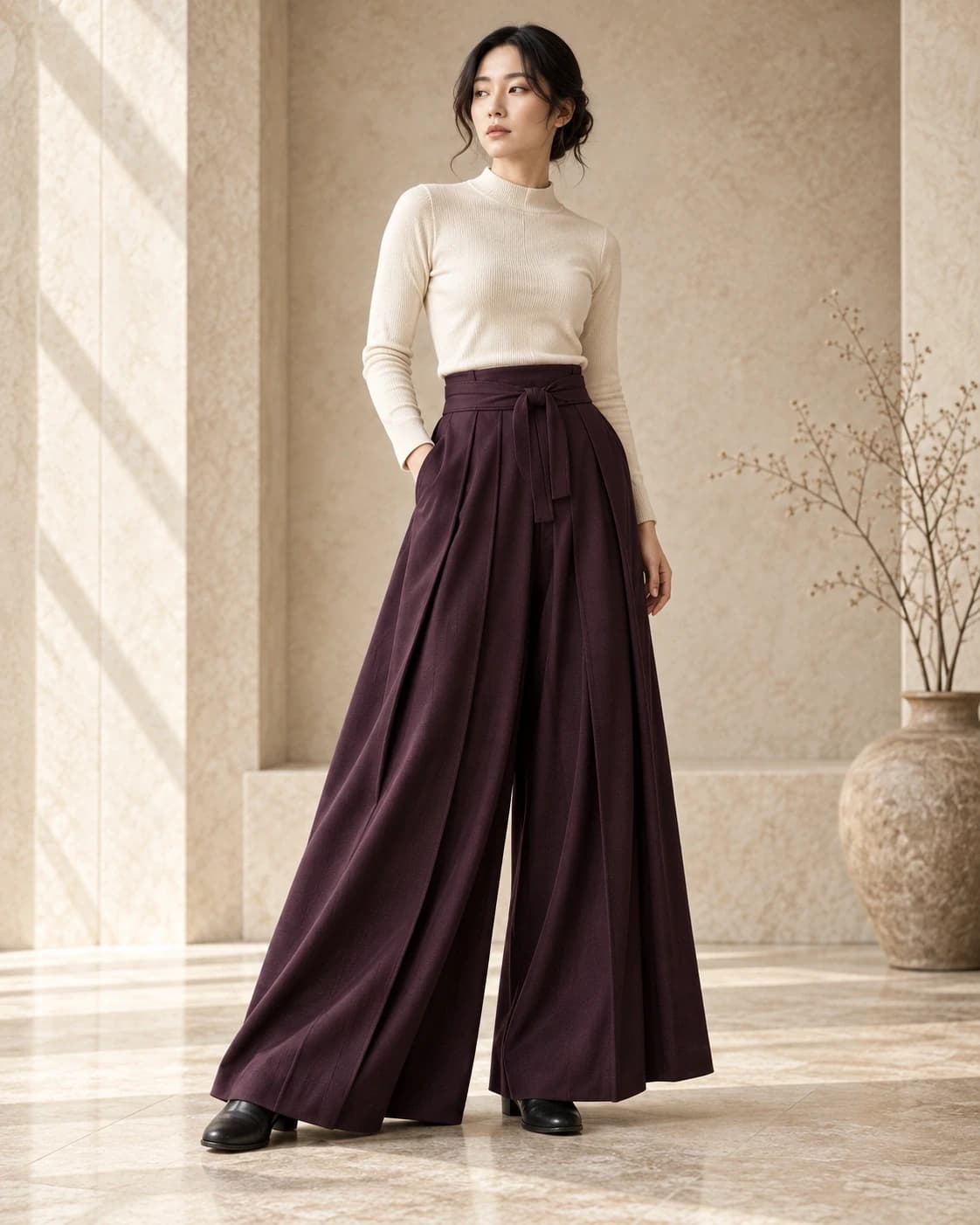
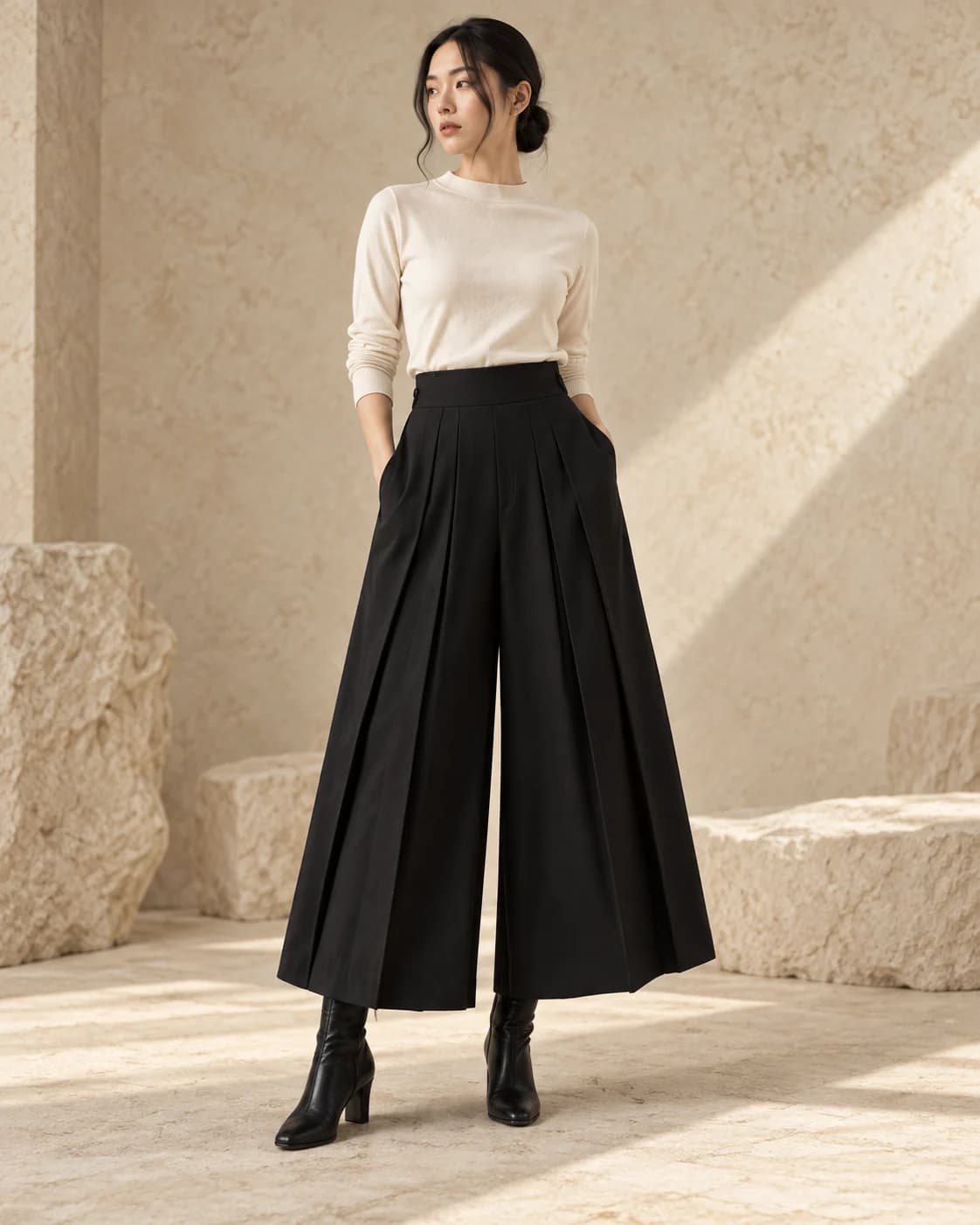
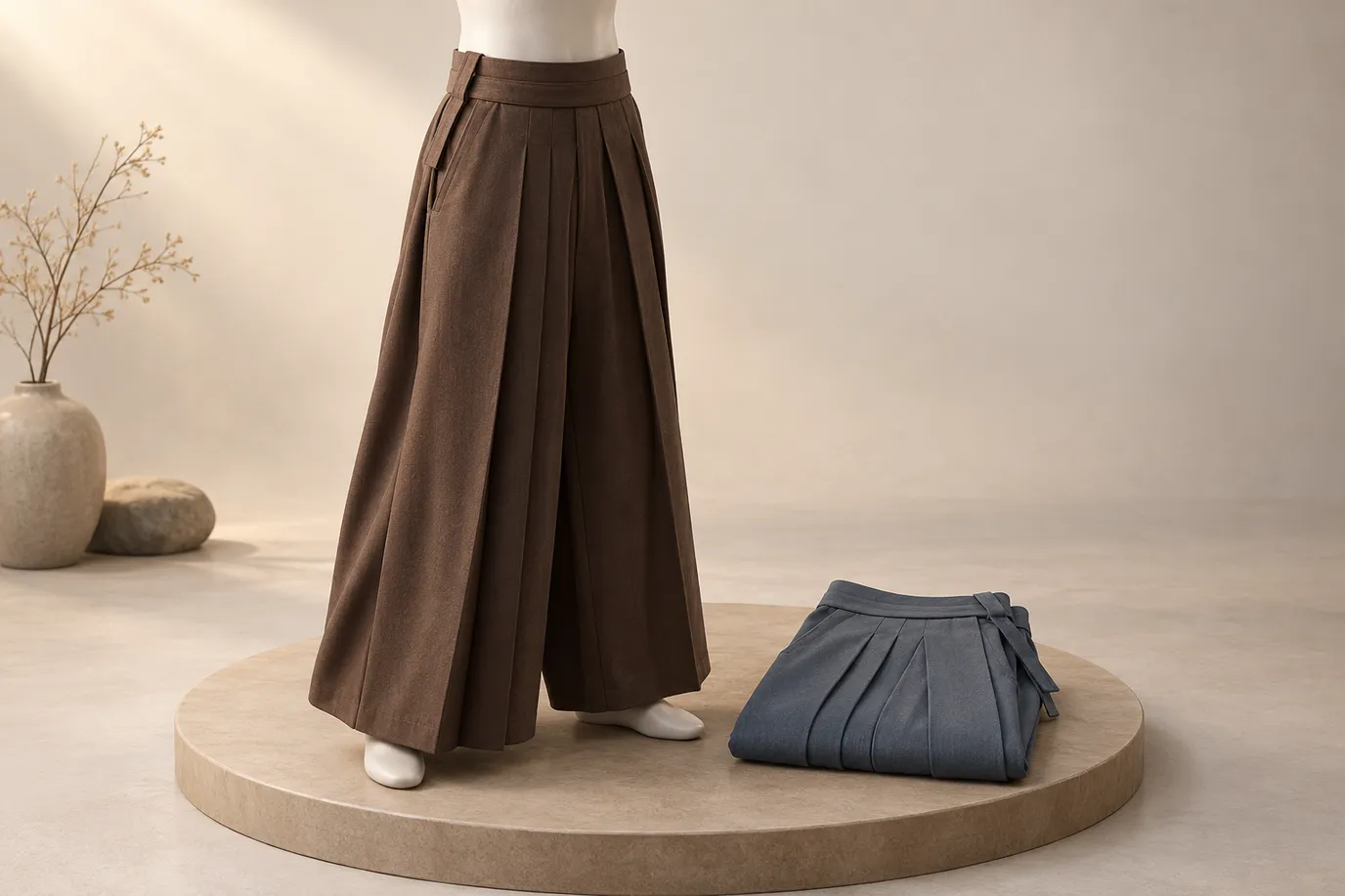
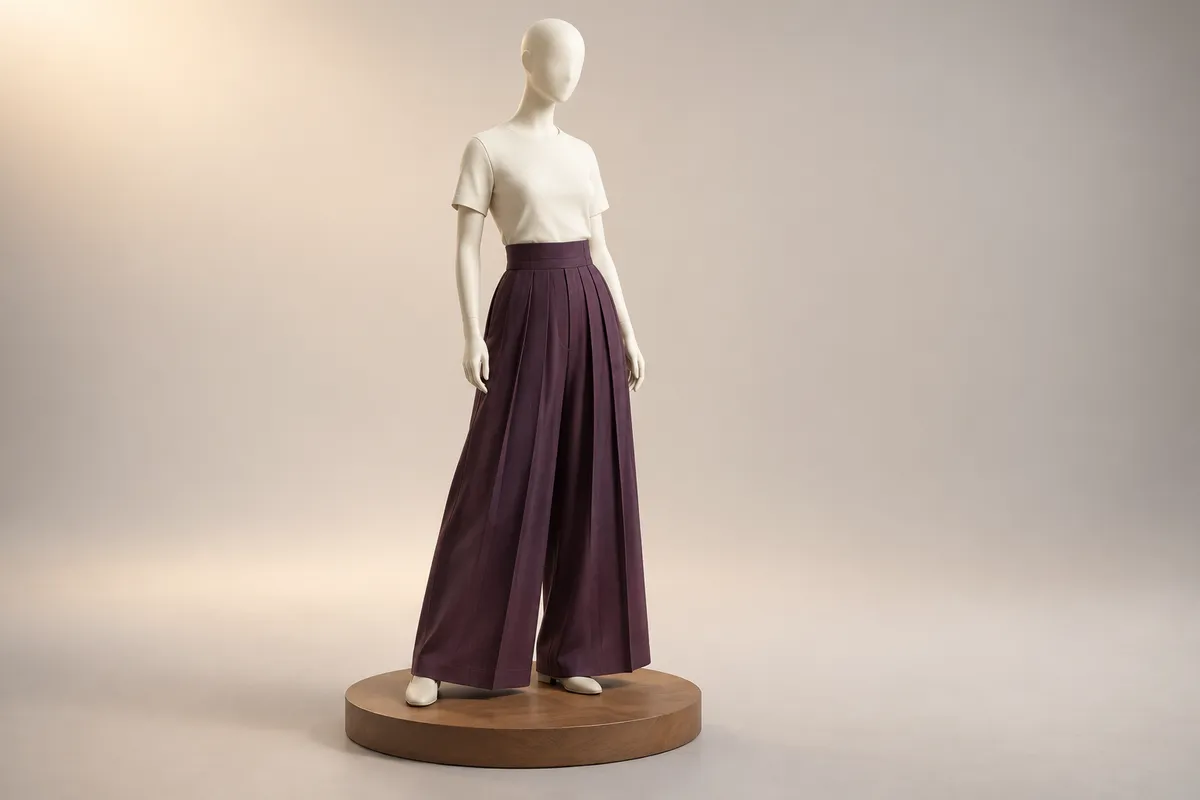
While traditional Japanese clothing is deeply rooted in history, it continues to evolve and find its place in modern fashion. One way to incorporate traditional elements into contemporary outfits is by wearing hakama as a stylish and versatile piece. For example, Women's Japanese Hakama Pants in deep plum offer a modern take on this traditional garment, featuring a high waist and wide flowing legs with long vertical pleats. These hakama pants can be paired with a variety of modern tops and footwear: keep the top short or tucked so the waist shows, and keep shoes flat and simple. Hakama Pant sells hakama and kimono-and-hakama sets only, not standalone kimono, yukata, obi or footwear.
Frequently Asked Questions
What is traditional Japanese women's clothing called?
Traditional Japanese women's clothing is usually called wafuku, and its main garment is the kimono. The kimono is a T-shaped robe that comes in various forms and levels of formality, such as the furisode, homongi, and tomesode. It is commonly worn with a nagajuban, an undergarment, and is often paired with an obi, a sash.
What is kimono vs yukata?
A kimono is a T-shaped robe that ranges from casual to the most formal dress, usually worn with a nagajuban underneath, while a yukata is a light, unlined, casual relative worn without one. Kimonos are often worn for formal events like weddings and tea ceremonies, whereas yukatas are suitable for summer festivals and informal gatherings. Both can be accessorized with an obi and appropriate footwear like zori or geta.
Do women wear hakama?
Yes, women do wear hakama, pleated lower garments worn either divided like wide trousers or undivided like a skirt. They are often worn over a kimono for formal events like graduations and ceremonies, and in some martial arts. The andon style of hakama, an undivided skirt-like form, is commonly worn for these occasions. Hakama Pant sells hakama and kimono-and-hakama sets, but not standalone kimono, yukata, obi or footwear.
What is the difference between hanbok and kimono?
Hanbok is traditional Korean dress, characterized by a short jacket and a full high-waisted skirt. In contrast, a kimono is a T-shaped robe that is wrapped around the body and secured with an obi. Both are symbols of their respective cultures and are worn for various formal and informal occasions. The hanbok is known for its vibrant colors and flowing lines, while the kimono is recognized for its intricate designs and varying levels of formality.
Conclusion
Traditional Japanese clothing for women centres on the kimono, with garments for every level of formality. From the formal furisode to the casual yukata, each piece has its unique place in Japanese culture. The hakama, worn over a kimono for graduations and ceremonies, adds a layer of formality and elegance. By understanding the formality levels and typical occasions for each garment, you can choose an outfit that fits the event.
Sources and buying checks
For cultural context, see The Metropolitan Museum of Art: Kimono Style. This reference does not verify any shop garment’s construction. Use the free buying tool and the shopping checklist before choosing a product.