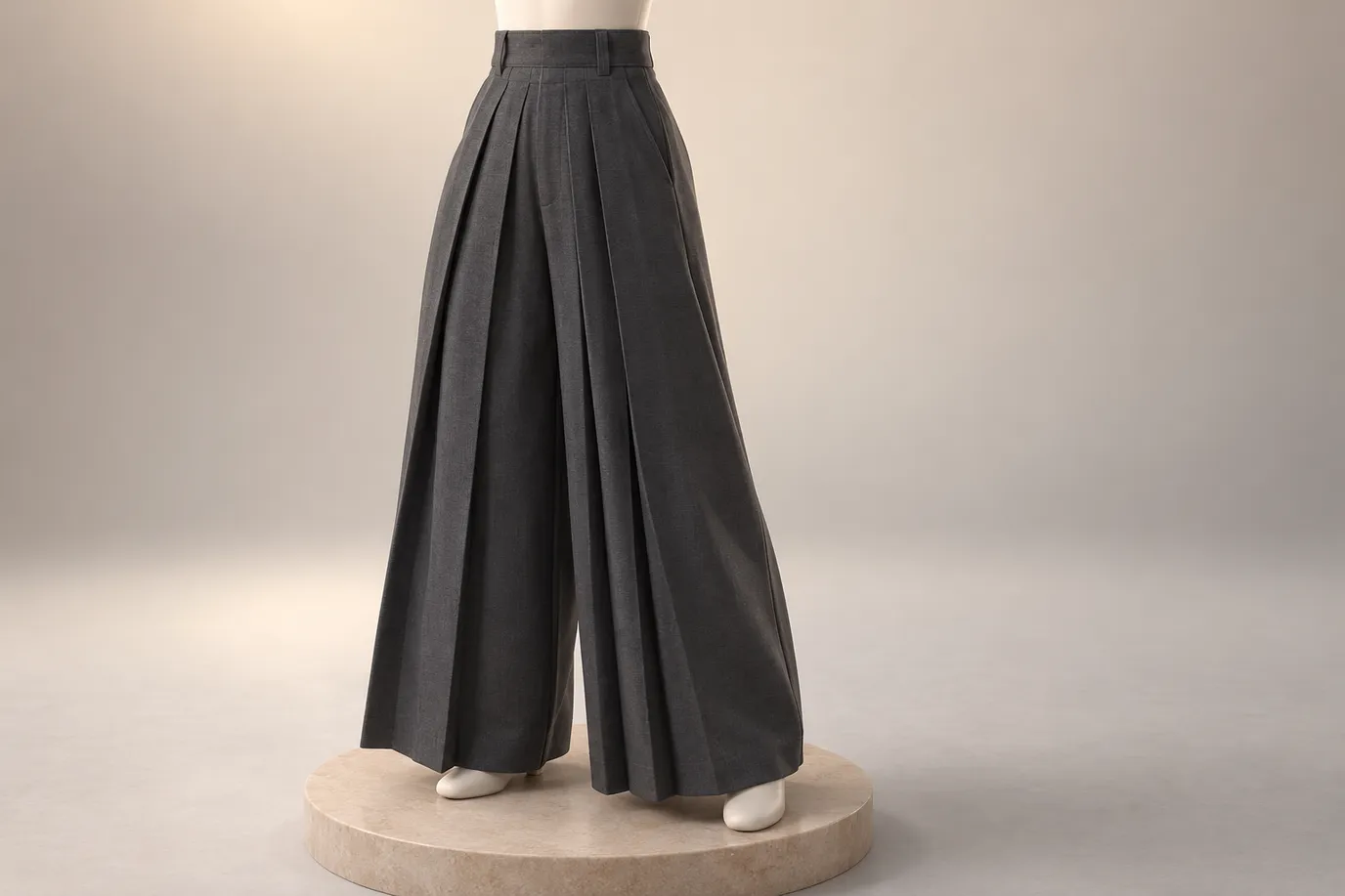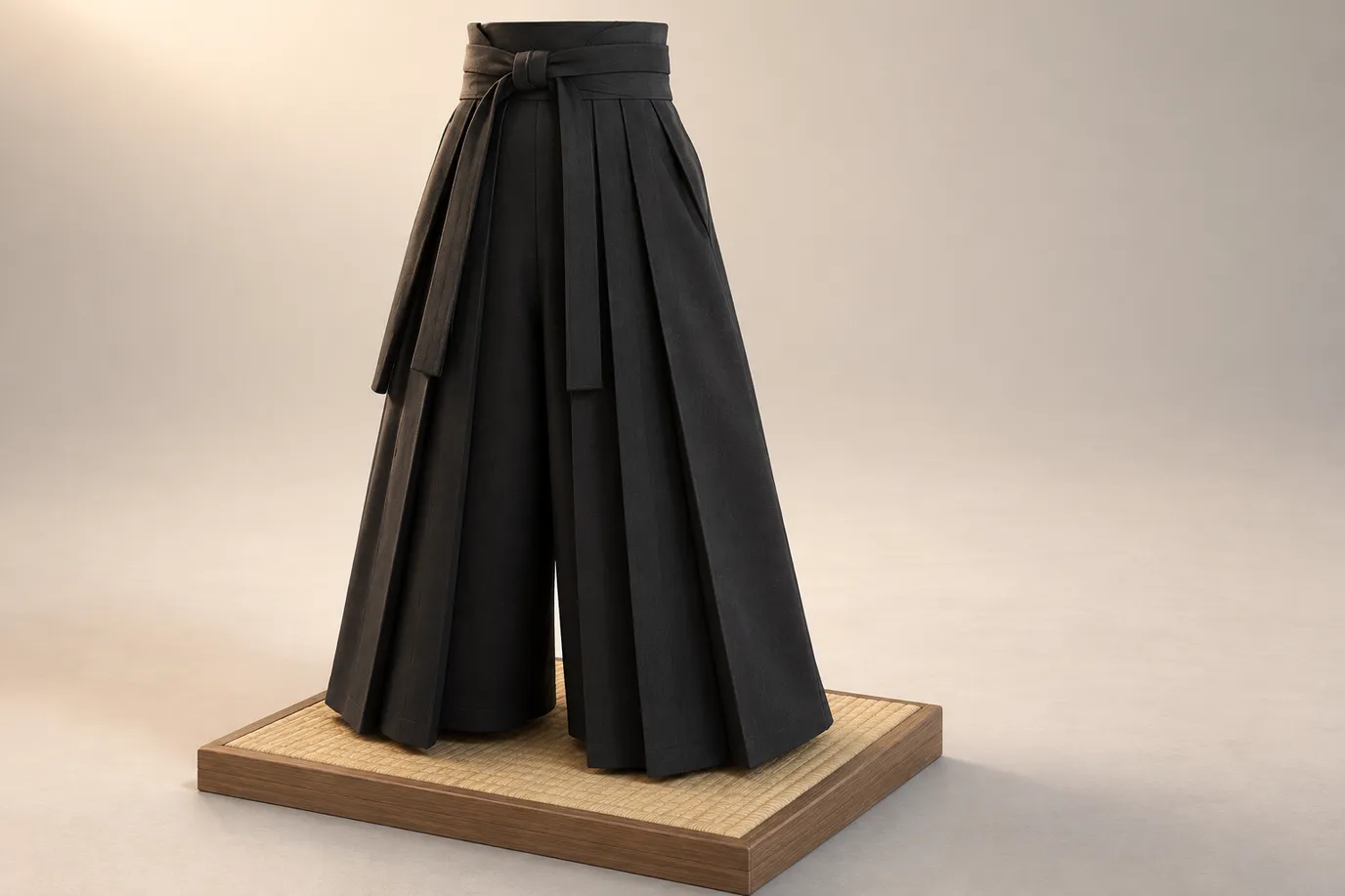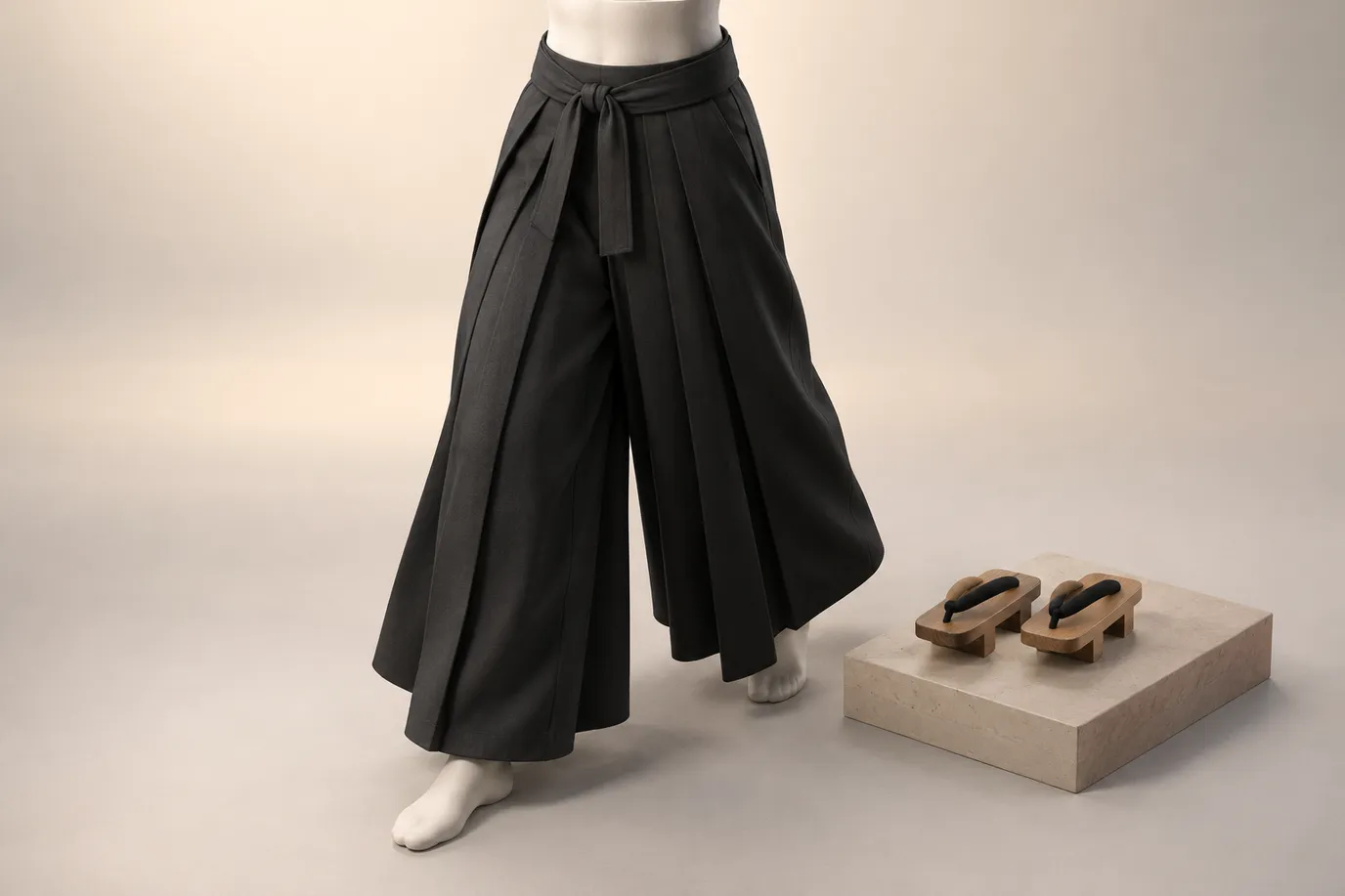
Japanese pants include several traditional styles. Hakama are wide pleated trousers or skirts worn over a kimono or a training top. Tobi are very baggy work trousers, monpe are gathered farm trousers, and samue trousers are loose, tie-waist workwear. Modern hakama pants adapt the hakama shape for everyday wear.
Key Takeaways
- Pleats: Hakama and modern hakama pants feature wide pleats, while monpe and samue are gathered or loose.
- Traditional Use: Hakama are used in formal dress and martial arts, tobi in construction, monpe in farm work, and samue in temple and craft work.
- Modern Adaptation: Modern hakama pants are designed for everyday wear, often with a waistband instead of a tie waist.
- Visual Cues: Hakama are recognized by their wide, pleated front, while tobi are baggy with narrow ankles.
- Streetwear: Hakama Pant offers hakama and modern hakama pants for a contemporary look.
What Japanese pants are called
When exploring these trousers, you will meet a variety of styles, each with its own history and use. These trousers are known by different names and are often associated with specific cultural contexts. Here are the main styles:
- Hakama: These wide, pleated trousers or skirts are worn over a kimono or a training top. They are commonly traced to the samurai era and are used in formal dress and martial arts.
- Tobi: These very baggy trousers are designed for construction work, with a wide thigh and narrow ankle.
- Monpe: These gathered farm trousers are loose and comfortable, typically gathered at the ankle for practicality.
- Samue trousers: These loose, tie-waist trousers are often associated with temple and craft work, offering a relaxed fit and ease of movement.
Hakama: the pleated classic
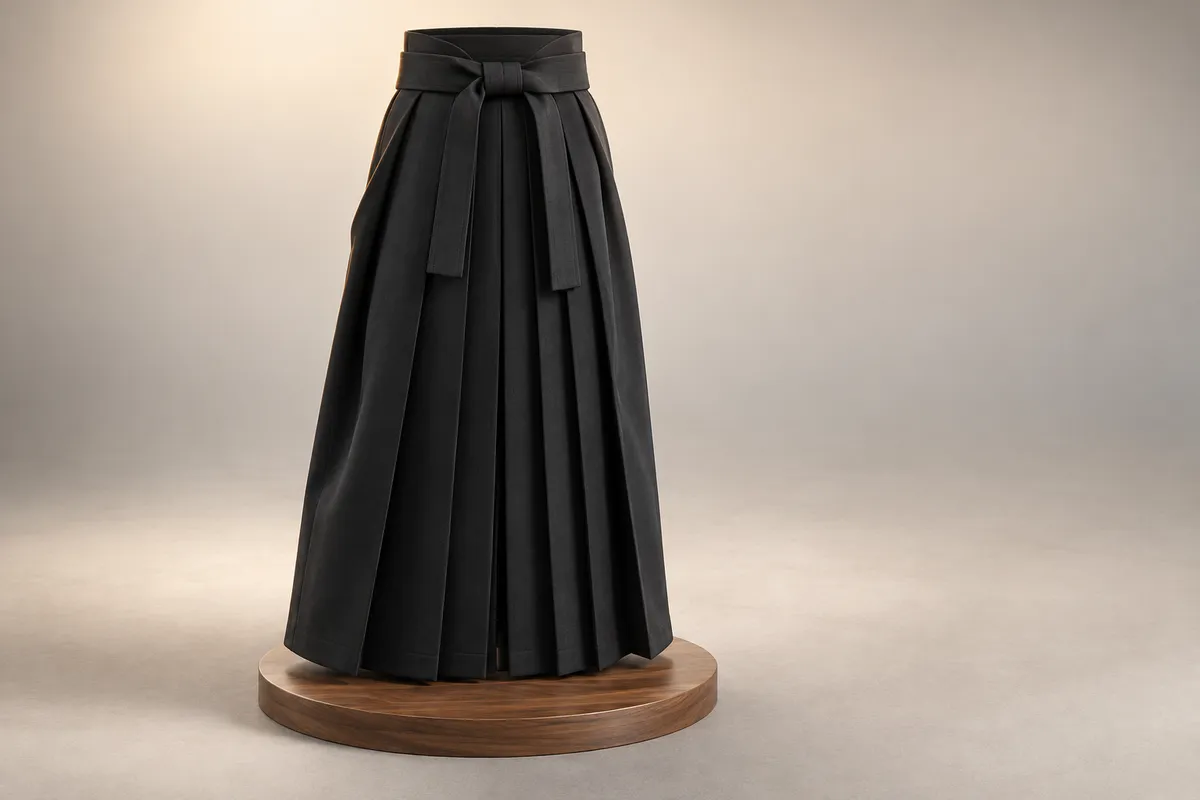
Hakama are the best-known Japanese trousers, known for their wide, pleated design and tie waist. These trousers are often worn over a kimono or a training top and are deeply rooted in Japanese culture. Historically, hakama were commonly traced to the samurai era, where they were worn by warriors and nobility. Today, they are used in formal settings and martial arts, such as aikido, kendo, and iaido.
Hakama are characterized by their wide, pleated front, which gives them a distinctive flowing appearance. This design is not just for aesthetics; the pleats are commonly read as standing for virtues, though accounts differ. Our guide explains in more detail that the explanation of the pleats varies by school. The himo (waist ties) are an essential part of the hakama, allowing for a secure and adjustable fit.
For those interested in the history of samurai attire, you can learn more about what samurai pants are called.
Modern hakama pants for everyday wear
Modern hakama pants have adapted the traditional hakama design for contemporary use, making them a versatile addition to your wardrobe. These trousers maintain the wide, pleated silhouette but are often designed with a waistband for added convenience and comfort. They are a natural answer for those who want to incorporate a touch of Japanese tradition into their everyday outfits.
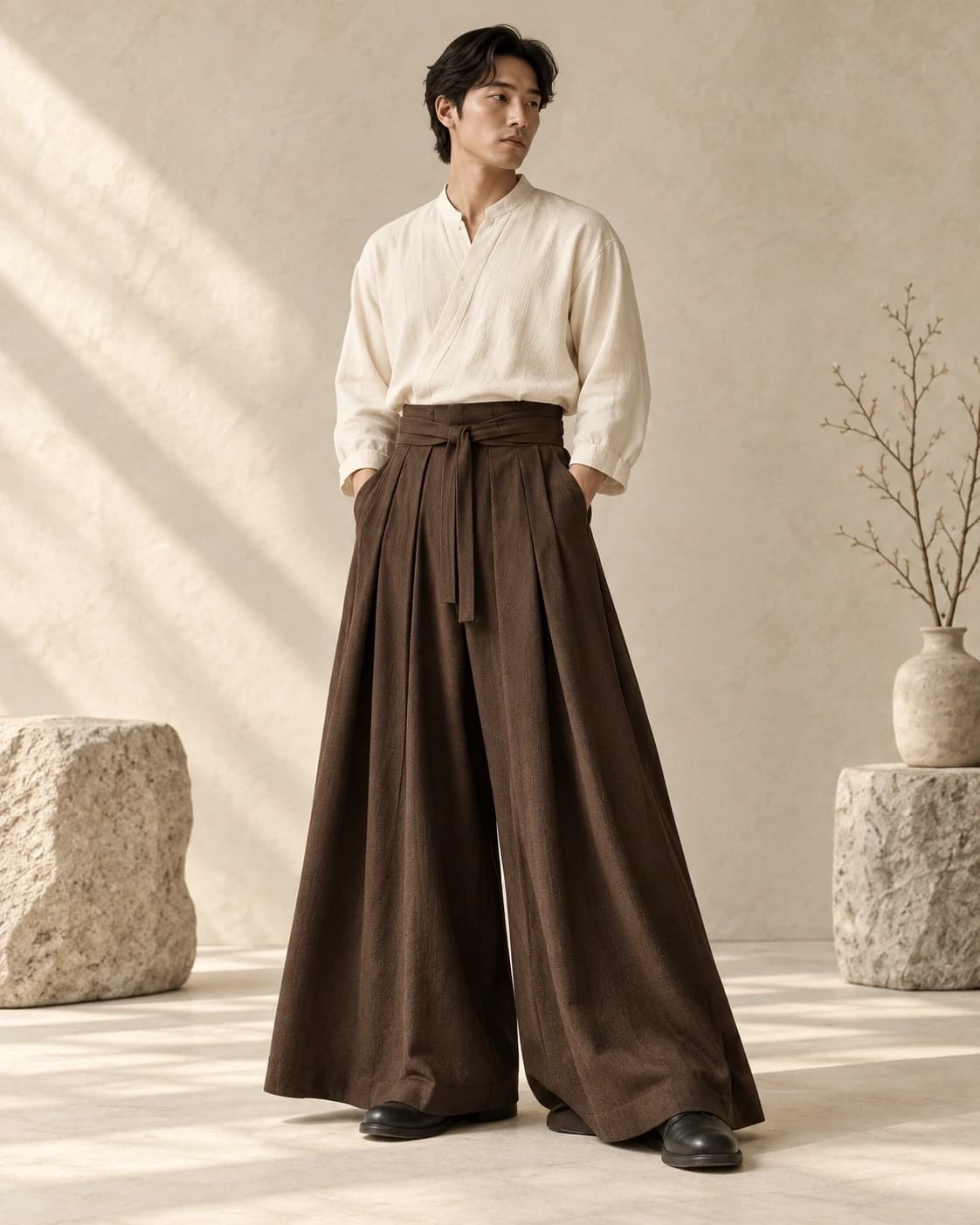
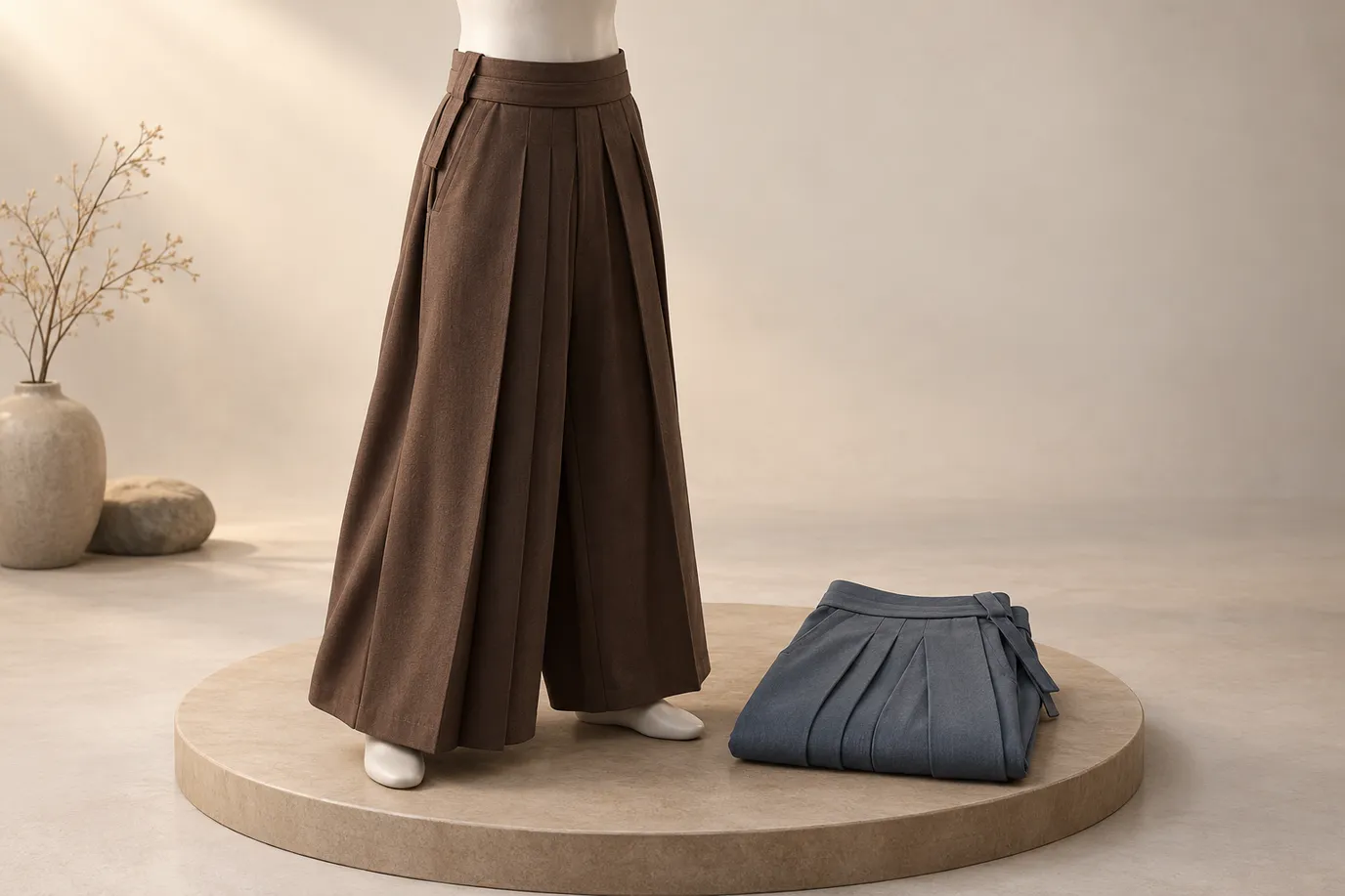
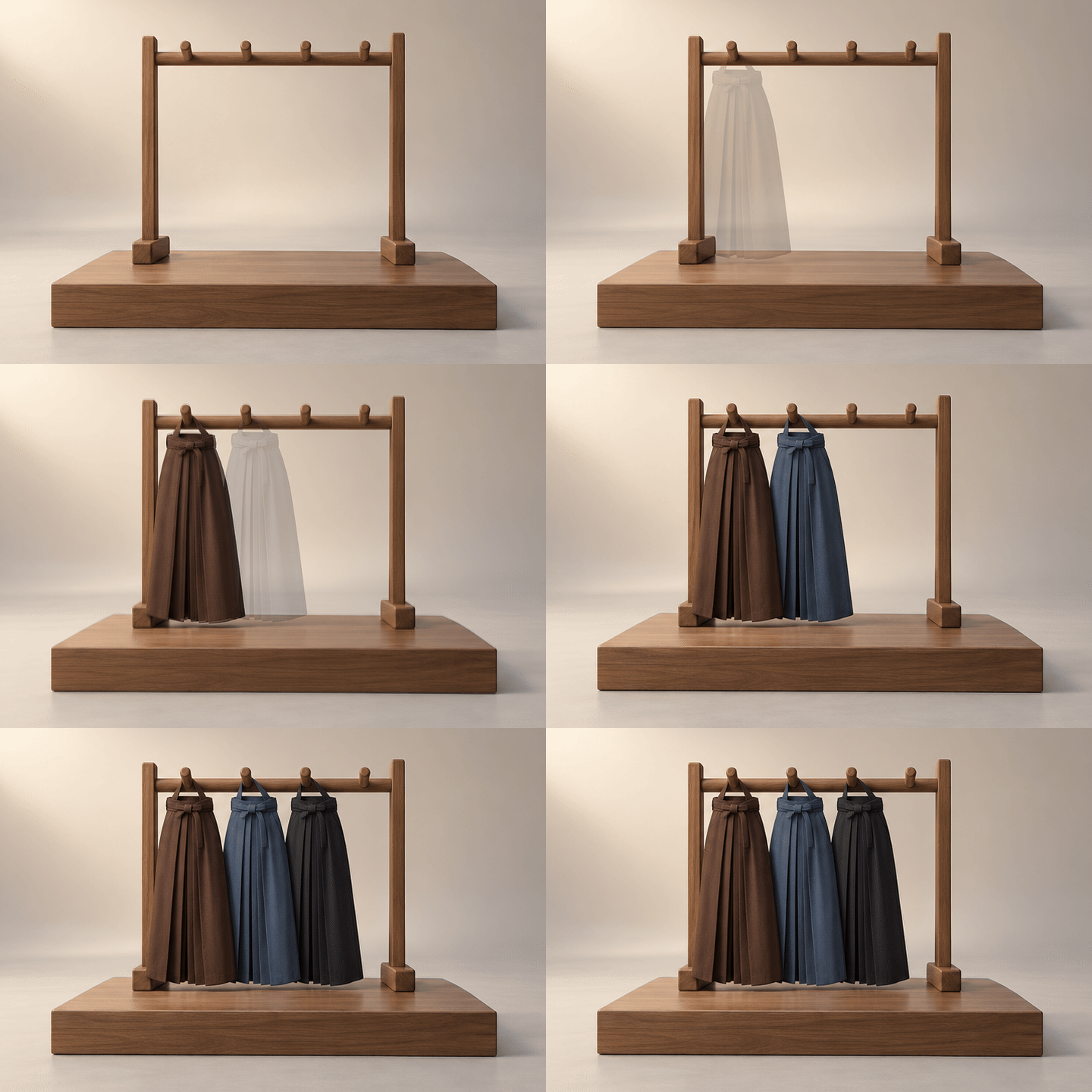
Japanese Hakama Pants in espresso brown feature generous flowing divided legs with a warm neutral color that pairs well with various tops and shoes. The design is modern yet retains the classic hakama aesthetic. The product page shows the waist and the listed sizes.
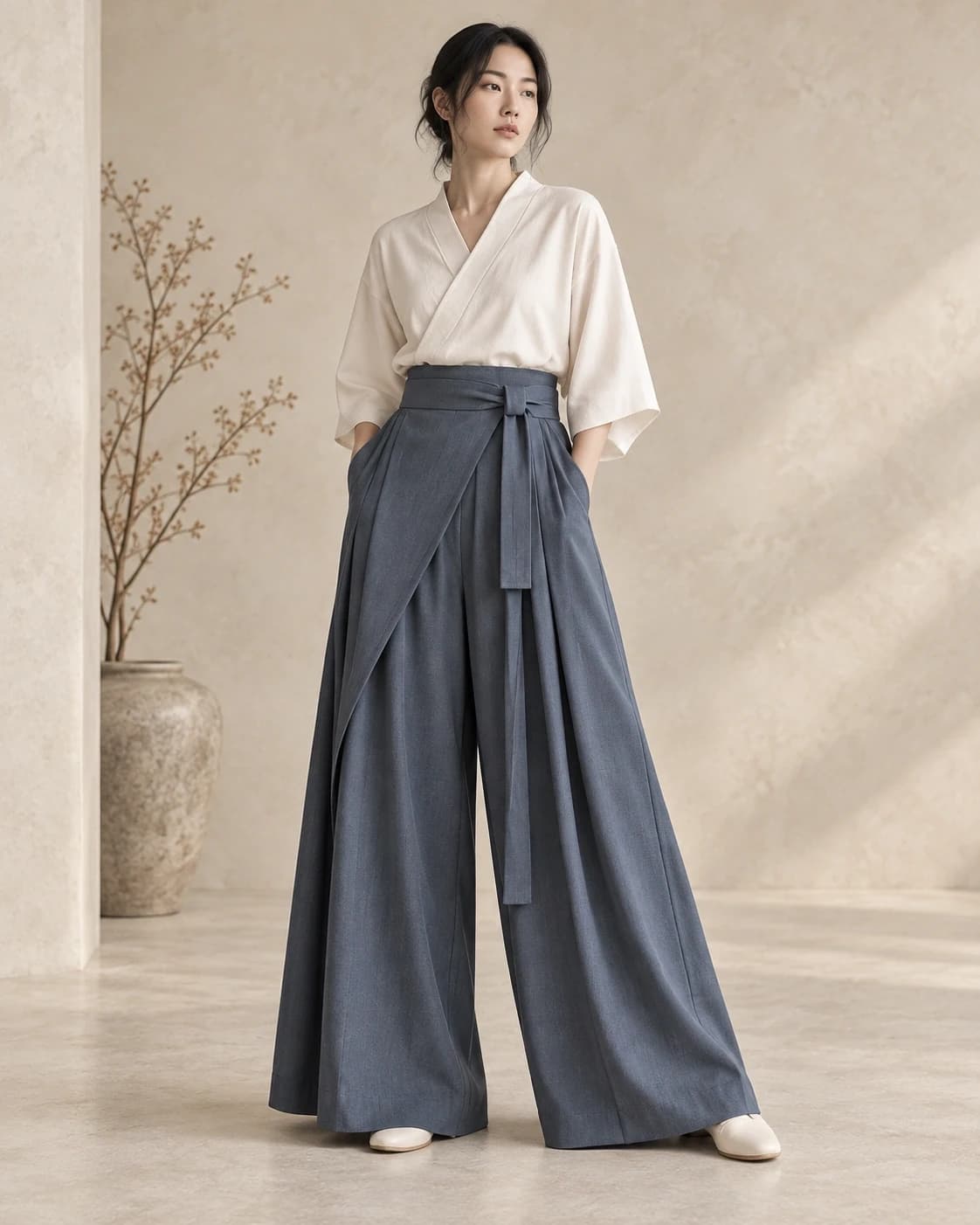
Kimono-Inspired Hakama Pants in slate blue are the natural answer for readers searching "kimono pants." These pants are designed for streetwear and Japanese fashion, available in sizes S to XXL. The product page shows the waist and the listed sizes.
When choosing modern hakama pants, consider the waist type, the length while standing in your shoes, and the listed size on the product page. Measuring your own waist and outseam first will help ensure a good fit.
Tobi, monpe and samue trousers: the work styles
Tobi
Tobi are very baggy trousers designed for construction work. They are characterized by their wide thigh and narrow ankle, which allows for a full range of motion while providing protection. The tapered calf helps to prevent the trousers from getting in the way during tasks that require bending and reaching.
Monpe
Monpe are loose, gathered farm trousers that are often worn by women. They are typically gathered at the ankle, making them practical for farm and home work. The loose fit and gathered design provide comfort and ease of movement, making them suitable for long hours of physical labor.
Samue trousers
Samue trousers are loose, tie-waist trousers that are often associated with temple and craft work. They are designed to be comfortable and allow for a wide range of movements, making them suitable for activities that require flexibility and ease. The tie waist ensures a secure fit and can be adjusted to suit individual preferences.
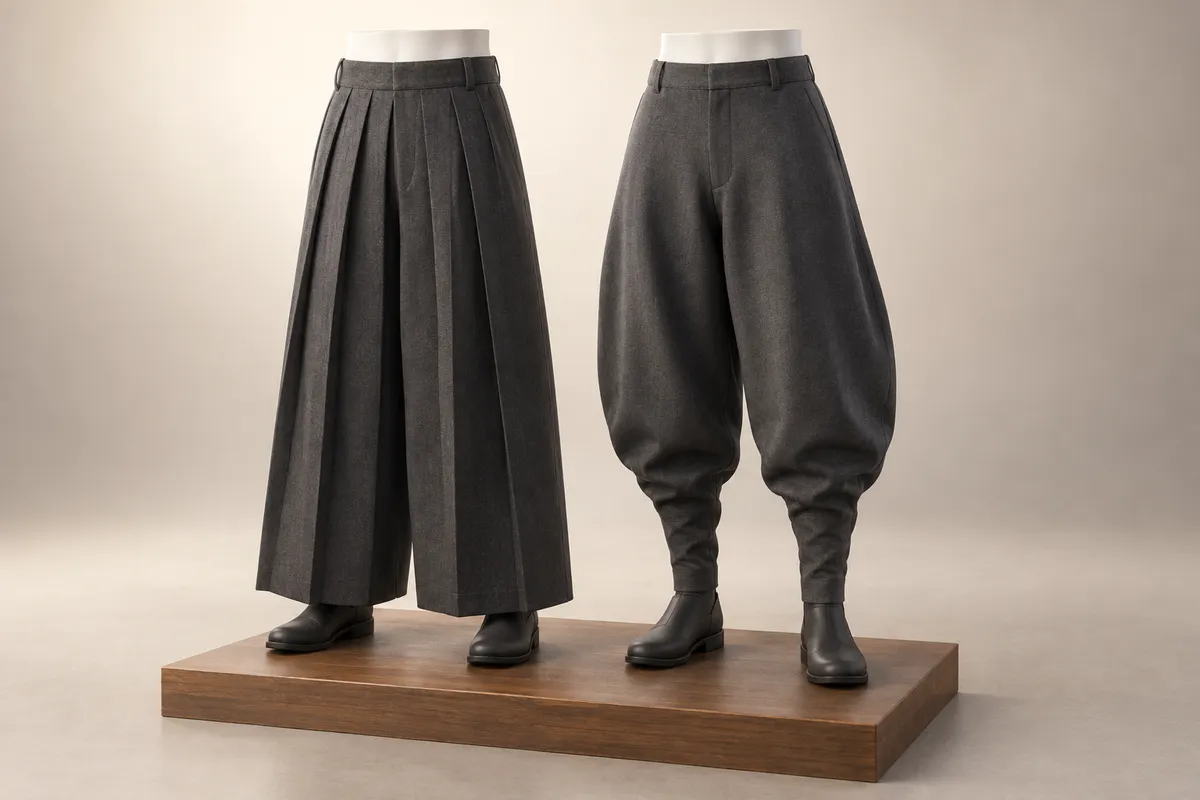
The styles compared side by side
| Style | Shape | Traditional use | Sold by Hakama Pant |
|---|---|---|---|
| Hakama | Wide, pleated, tie waist | Formal dress, martial arts | Yes |
| Modern hakama pants | Wide, pleated, waistband | Everyday outfits | Yes |
| Tobi | Very baggy thigh, narrow ankle | Construction work | No |
| Monpe | Loose, gathered at ankle | Farm and home work | No |
| Samue trousers | Loose, tie waist | Temple and craft work | No |
This is a general garment comparison: shapes and uses vary by region, period and maker. Traditional-style tie-waist hakama suit formal dress, and a dojo sets its own dress rules, so check with the instructor before buying for training.
How to choose the right style for your outfit
Choosing the right style of Japanese trousers depends on your intended use and personal preferences. Here are some tips to help you decide:
- Traditional-style tie-waist hakama: These are suitable for formal events, martial arts, and traditional settings. Look for a secure tie waist and a wide, pleated front.
- Modern hakama pants with a waistband: These are suitable for everyday wear, offering a blend of traditional style and modern convenience. Check the waist type, the length while standing in your shoes, and the listed size on the product page.
- Measure your own waist and outseam: Before making a purchase, measure your waist and outseam to ensure the best fit. This will help you find the right size and avoid any discomfort.
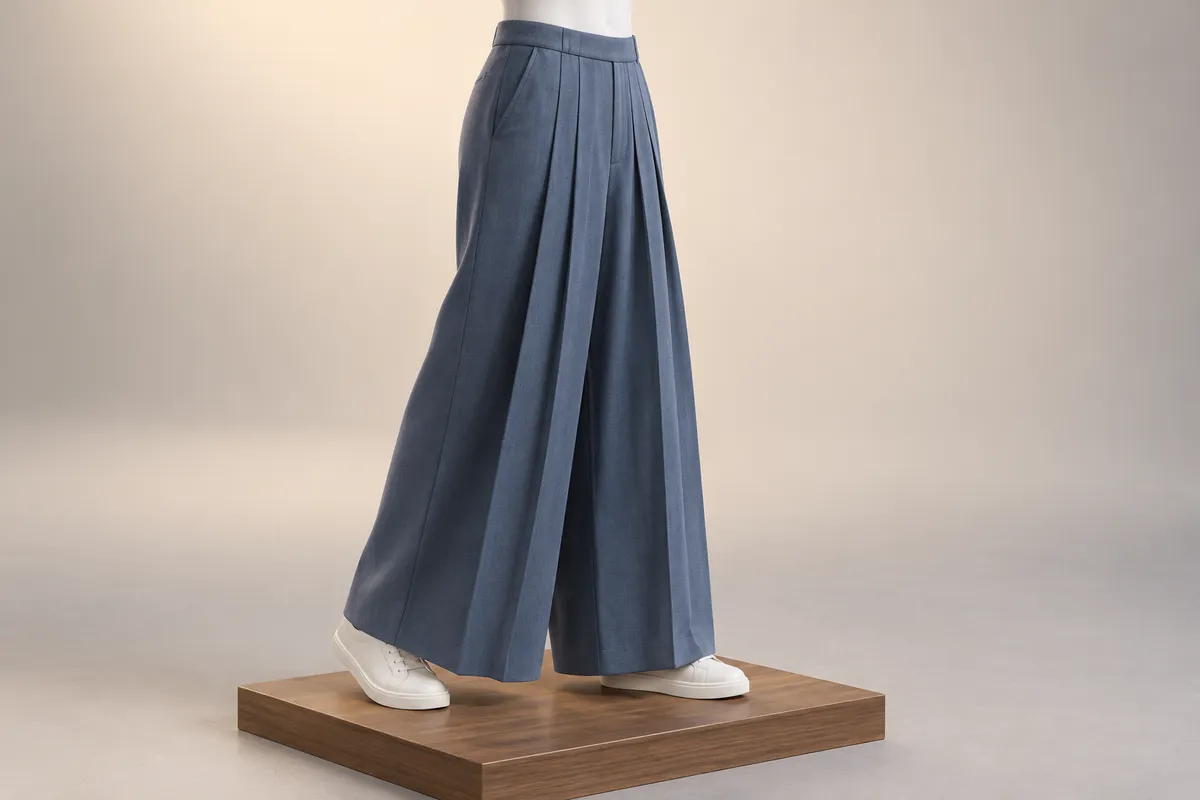
Hakama Pant designs to compare
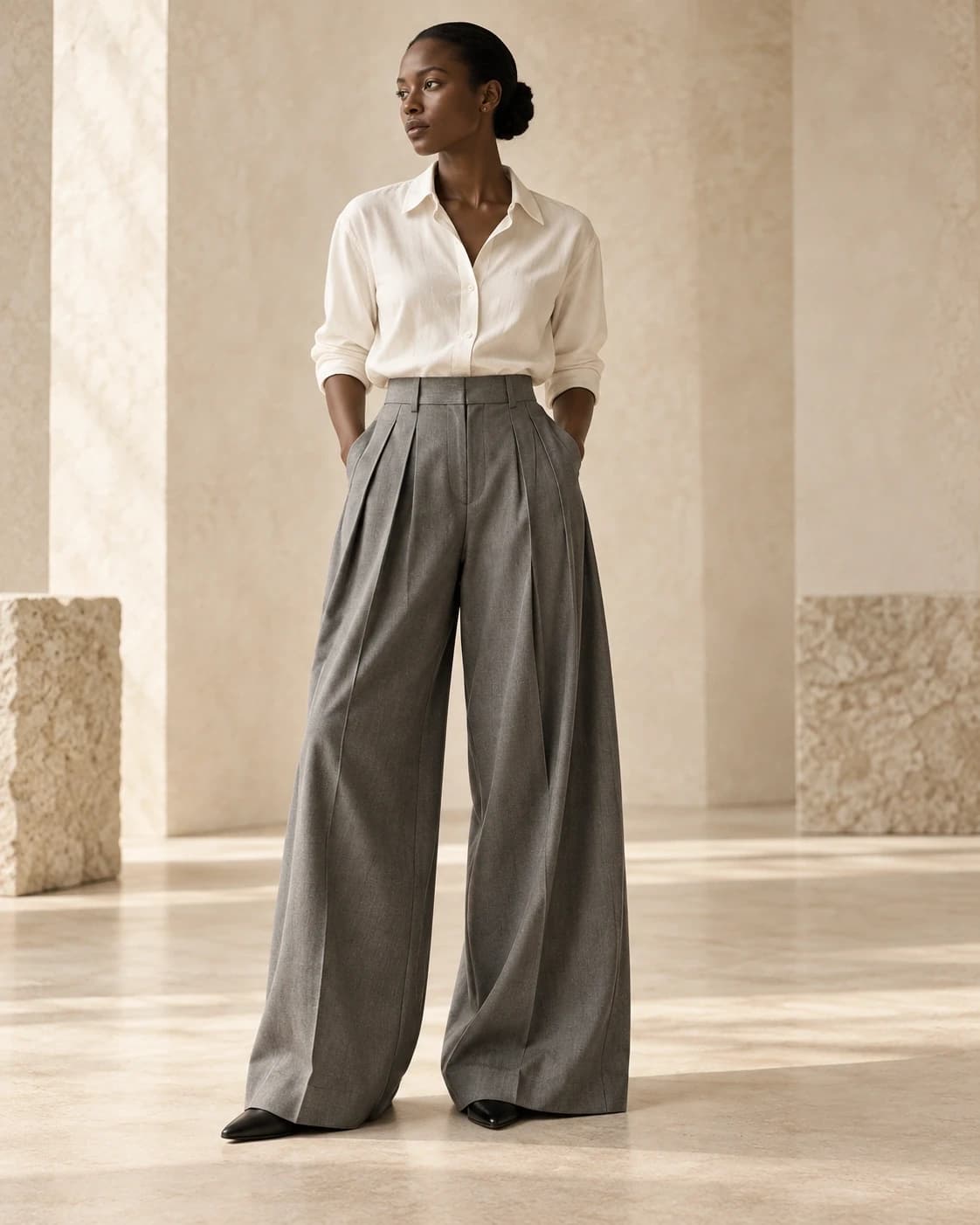
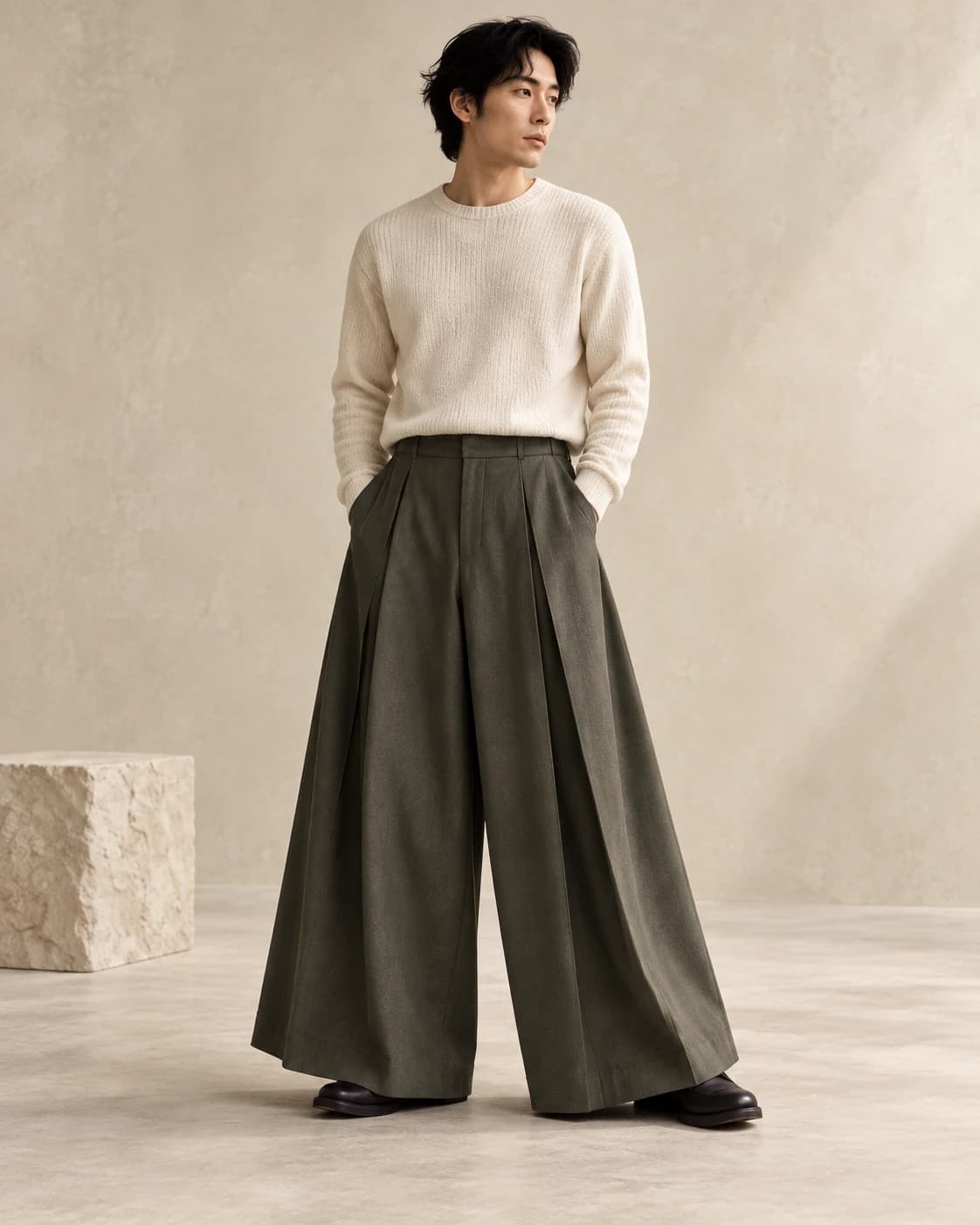
Hakama Pant sells hakama and hakama pants only. It does not sell tobi, monpe, samue or jinbei, so those styles appear here as naming context. Besides the two designs above, the store lists Japanese Wide-Leg Hakama Pants in olive charcoal, with extra-wide divided legs and a simple high waist, and Samurai Hakama Pants in ink black, with a structured broad wrap waistband and dramatic full-width divided legs. Both are listed in sizes S to XXL.
To see the everyday designs side by side, browse the hakama streetwear collection, then open each product page to compare the waist type, the colour and the listed sizes. Measure your own waist and outseam first, and judge the length while standing in the shoes you plan to wear.
Frequently Asked Questions
What are the Japanese pants called?
Traditional Japanese trousers go by different names depending on the style. Hakama, tobi, monpe and samue are the main types. Hakama are wide, pleated trousers tied at the waist, tobi are very baggy work trousers that narrow at the calf, monpe are gathered farm trousers, and samue trousers are loose, tie-waist workwear. The quickest way to tell them apart in a photo is the front: only hakama-style trousers show deep, ordered pleats from the waist down.
What are those flowy Japanese pants?
The flowy trousers people ask about are usually hakama-style wide pleated trousers. They are recognised by the wide, pleated front and a hem that moves as the wearer walks, and they are commonly worn over a kimono or a training top. Modern hakama pants keep that flowing shape but swap the long ties for a waistband, which is why they show up in everyday streetwear outfits.
What are kimono pants called?
Kimono pants are usually hakama when they are wide and pleated. The hakama is traditionally worn over a kimono, which is how the search term came about. Modern versions sold as kimono-inspired hakama pants are cut for everyday wear rather than for a full kimono outfit, so check the waist type and the listed size on the product page before choosing one.
What are baggy Japanese pants called?
Baggy work trousers from Japan are usually called tobi or monpe. Tobi have a very wide thigh and narrow at the calf, and they are linked with construction work. Monpe are loose trousers gathered at the ankle, commonly linked with farm and home work. Neither has a pleated front, so if the trousers in your photo show deep front pleats, they are hakama-style trousers instead.
What are Harajuku pants?
Harajuku pants is a loose shopping term for wide, layered street-fashion trousers associated with the Harajuku district in Tokyo. It is not the name of one traditional garment, and the designs vary widely, from cargo cuts to pleated wide legs. When a Harajuku-style outfit uses pleated wide trousers, those are usually modern hakama pants, which the store lists in its streetwear range.
Conclusion
Japanese pants cover several traditional styles, each with its own shape and use. From the wide, pleated hakama to the baggy tobi and the gathered monpe, these trousers offer a diverse range of options. When choosing the right style, consider the waist type, length, and your intended use. Start with the front of the trousers: pleats mean hakama, a gathered ankle means monpe, and a tapered calf means tobi.