Traditional Japanese clothing for men centres on the kimono, worn with an obi and, for formal events, a hakama and haori. Summer and festival wear includes the yukata, jinbei, and happi coat, while samue is loose work and home wear. The hakama is the piece most often adapted for modern outfits.
Key Takeaways
- Formality: The most formal men's outfit in Japanese traditional dress is the crested montsuki with a haori and hakama.
- Summer Wear: For summer festivals and casual occasions, men often wear yukata, jinbei, or a happi coat.
- Work and home: Samue, a loose top and trousers, is the traditional choice for work and home wear.
- Modern Adaptation: Hakama can be styled with modern clothing like a plain tee or knit, so one traditional piece carries the outfit.
- Footwear: Tabi with zori are worn for formal events, while geta are paired with yukata for summer festivals.
What traditional Japanese clothing for men includes
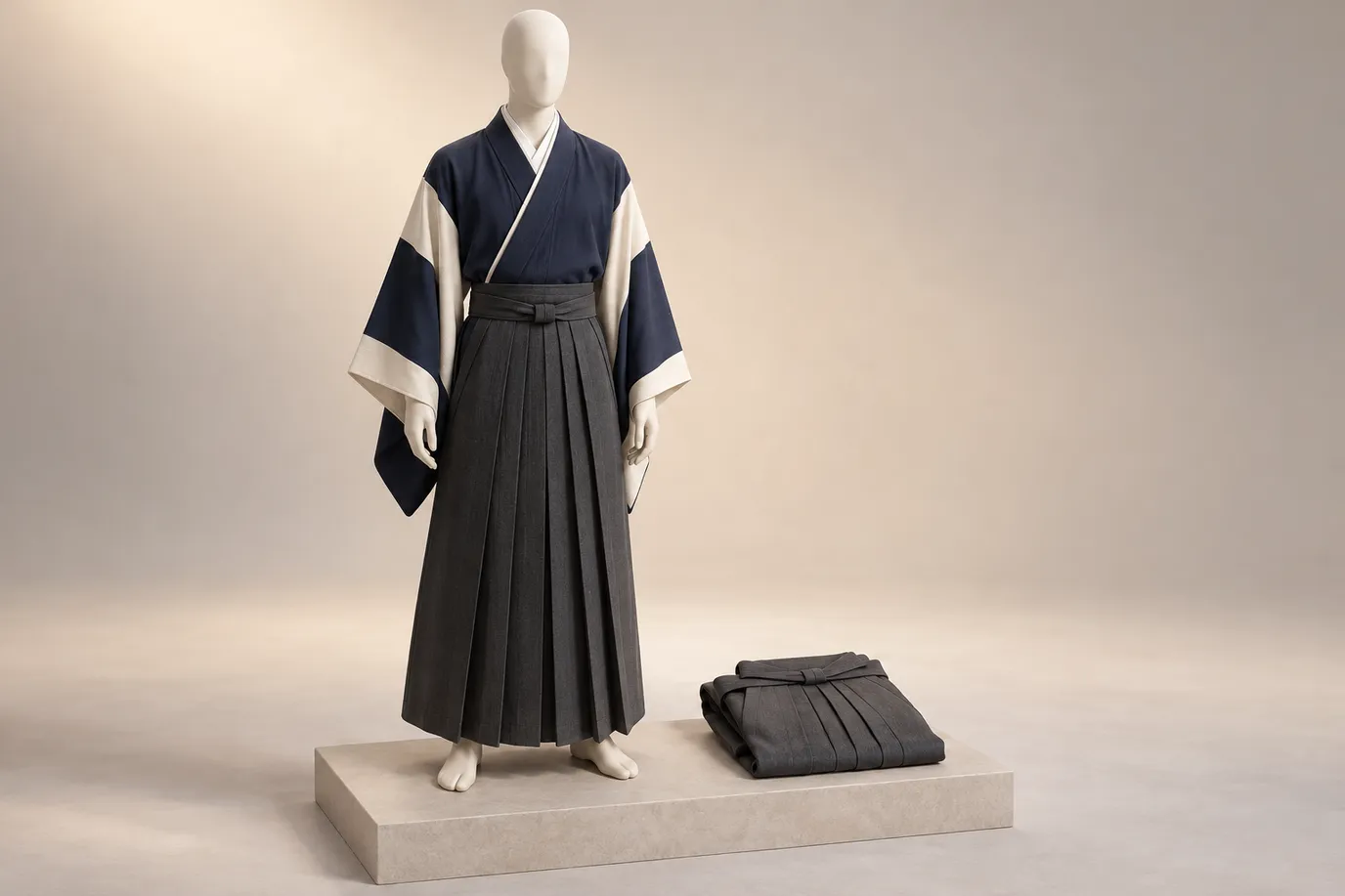
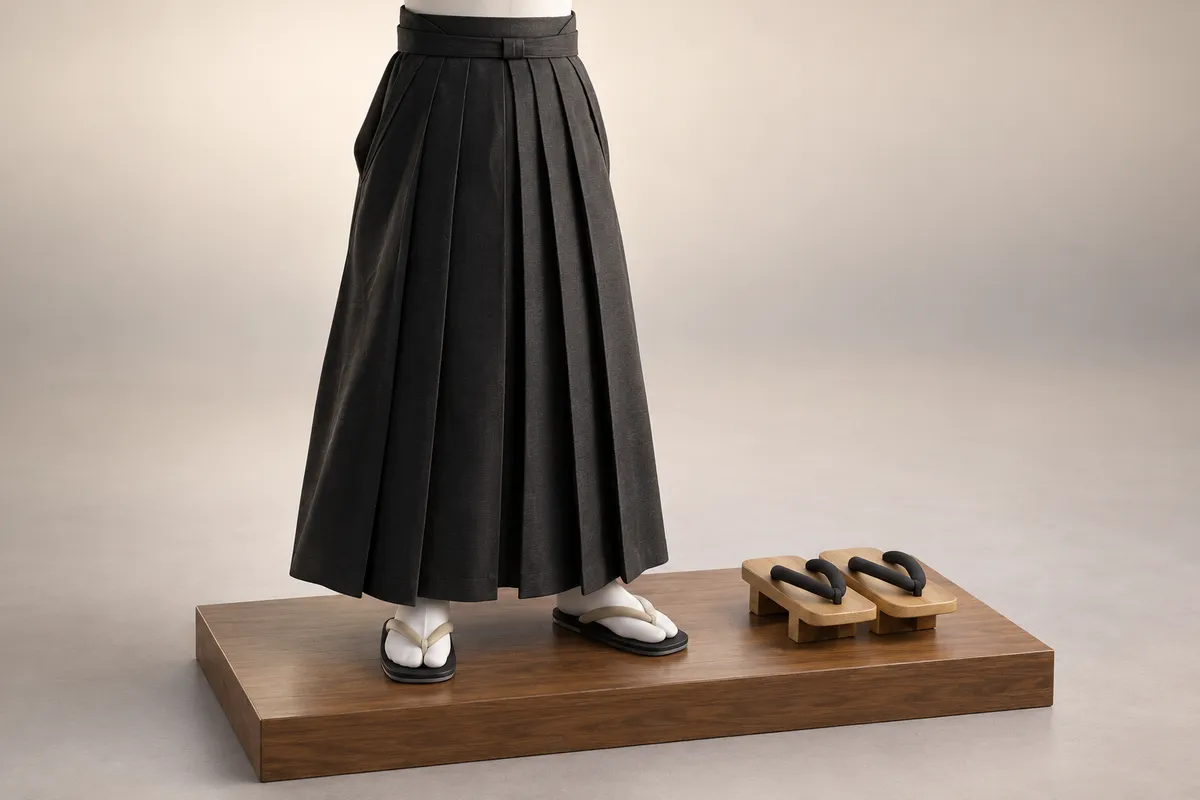
Men's traditional dress in Japan is a set of garments that combine by occasion. The cornerstone of this wardrobe is the kimono, a T-shaped robe that is wrapped around the body and secured with an obi, a wide sash. For formal occasions, the ensemble is completed with a hakama, a pleated skirt or trousers, and a haori, a jacket worn over the kimono. The hakama is also the hakama people search for as samurai pants, and it crosses from martial arts and formal dress into modern outfits. Other essential pieces include the yukata, a lighter, more casual version of the kimono, and the jinbei, a set of loose top and shorts for summer. For work and home, the samue is a comfortable and practical choice, consisting of a loose top and trousers.
The easiest way to read these garments is by occasion. For a wedding, a graduation or a formal ceremony, the outfit is kimono, obi, hakama and haori, with the crested montsuki at the most formal end. For a summer festival it is a yukata with an obi and geta, or a jinbei for a relaxed evening. For work and home it is samue. Each level has its own footwear, and mixing levels, such as geta with a formal hakama outfit, is usually avoided.
Formal wear: kimono, hakama and haori
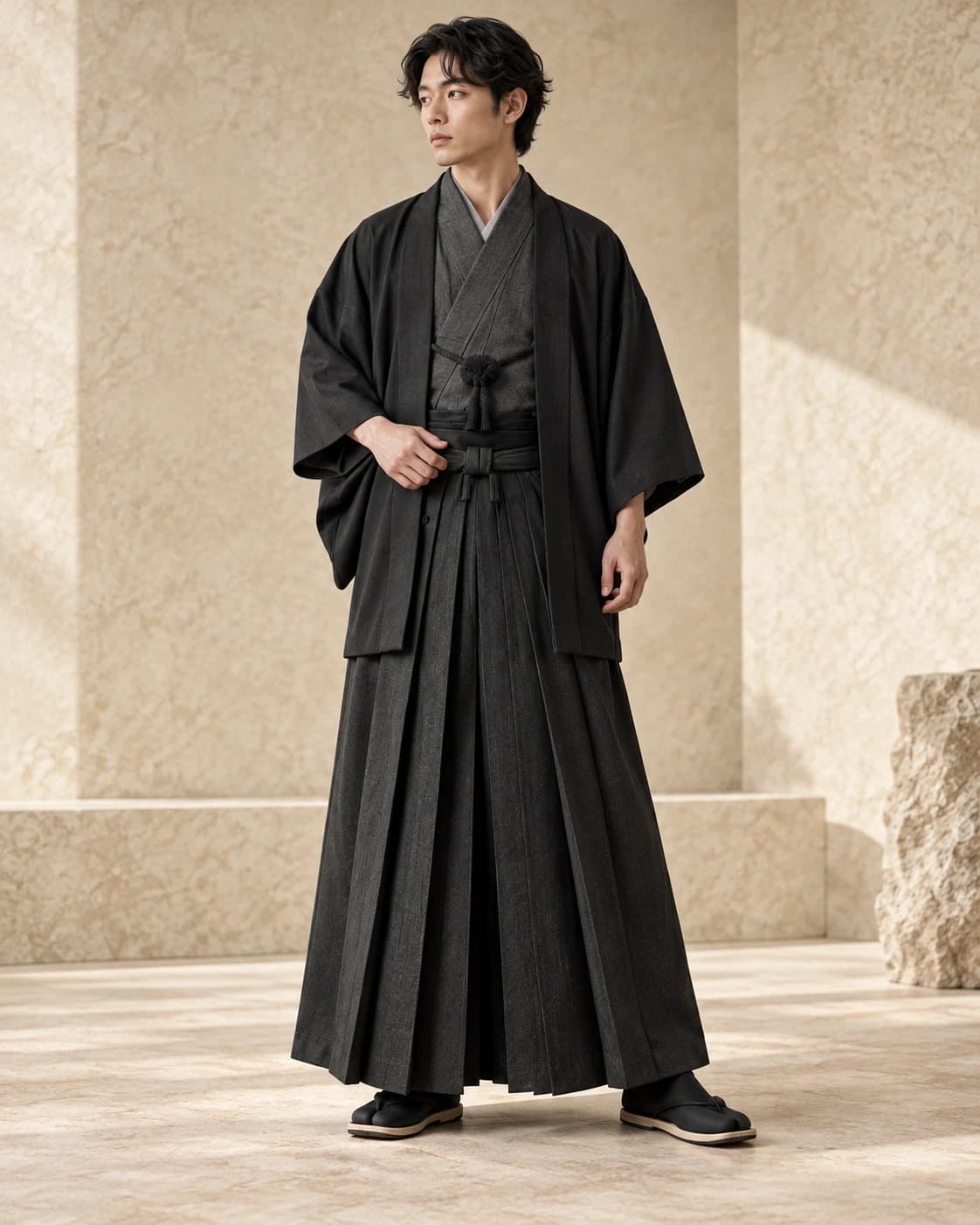
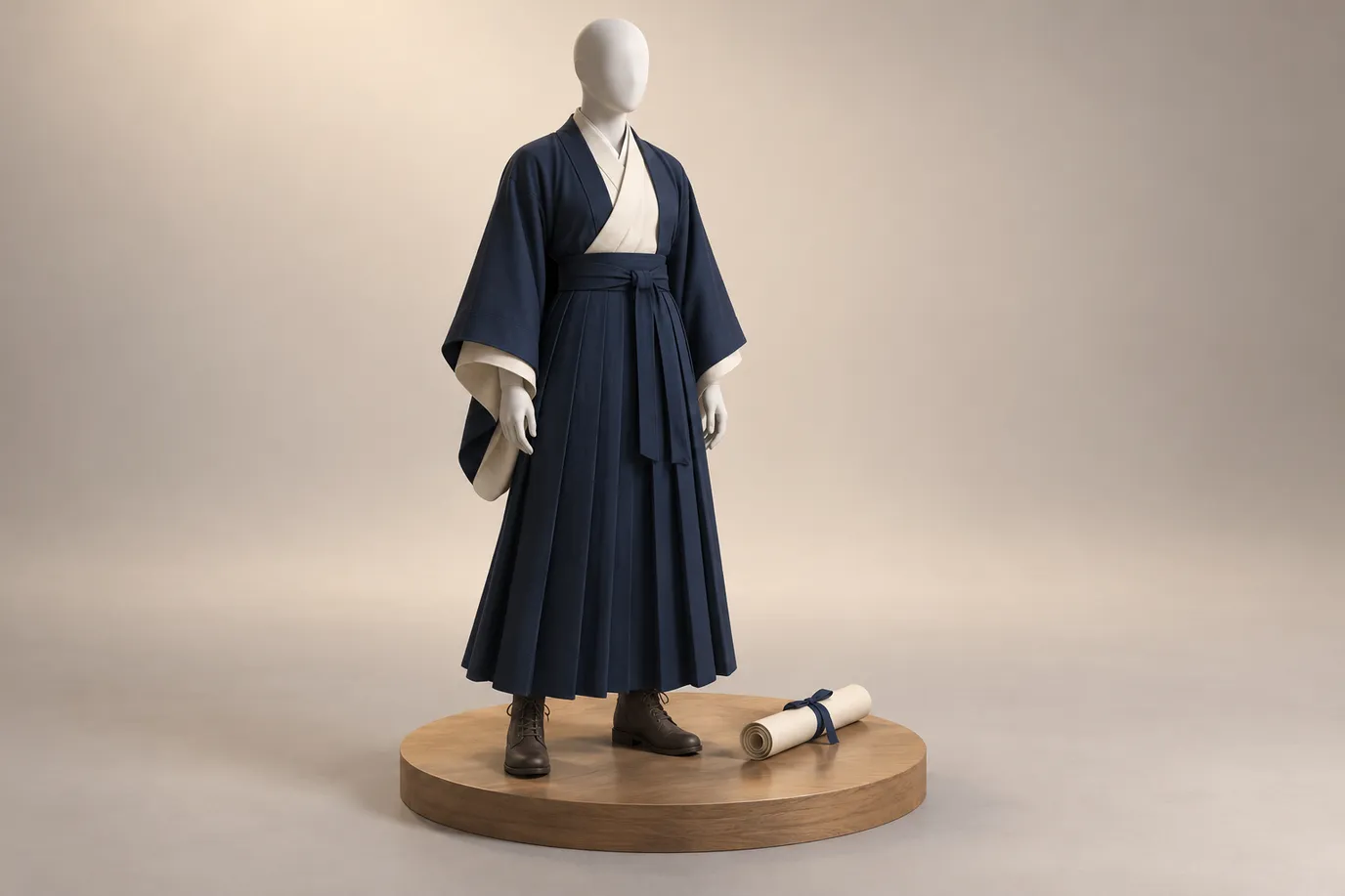
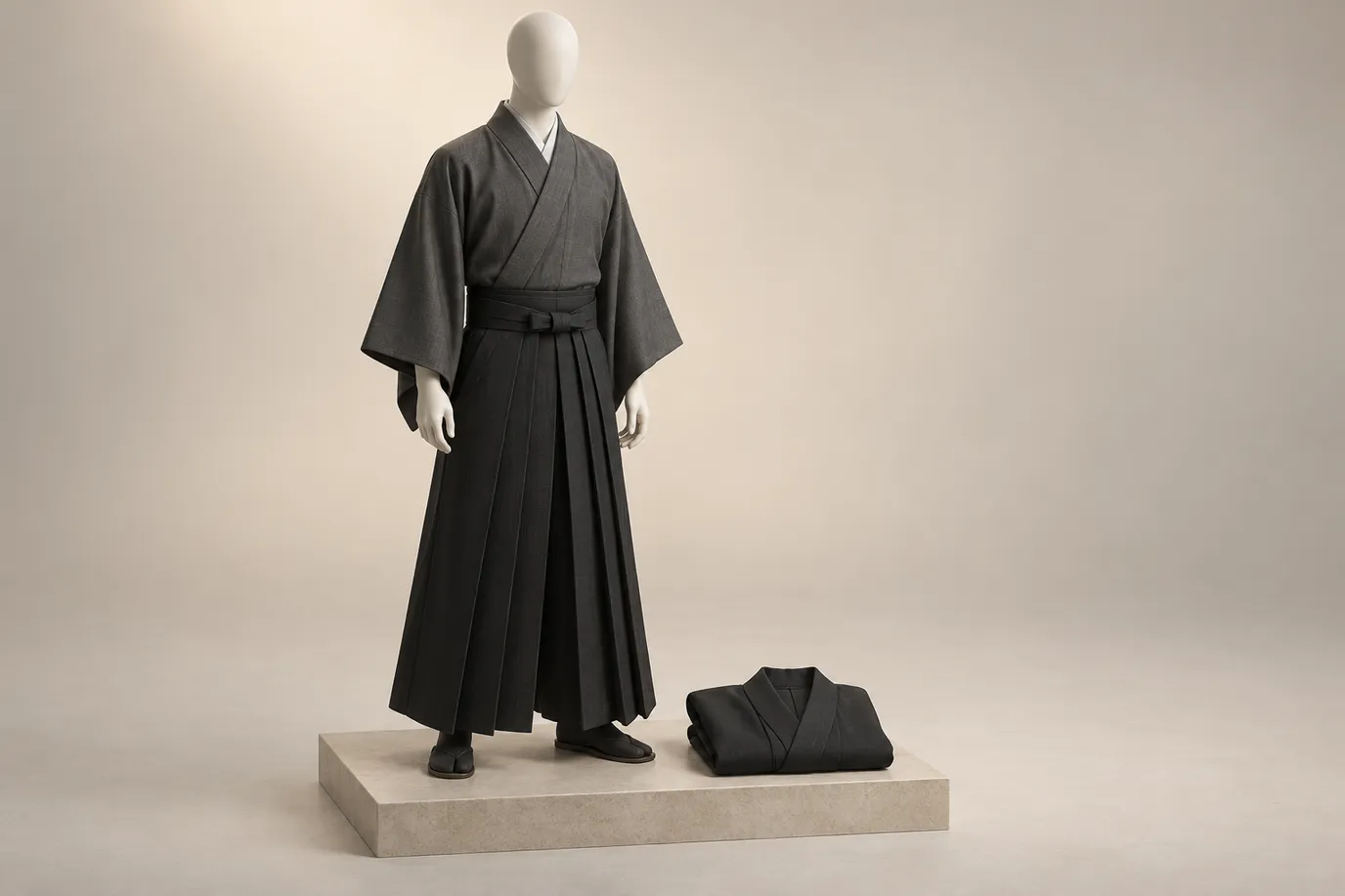
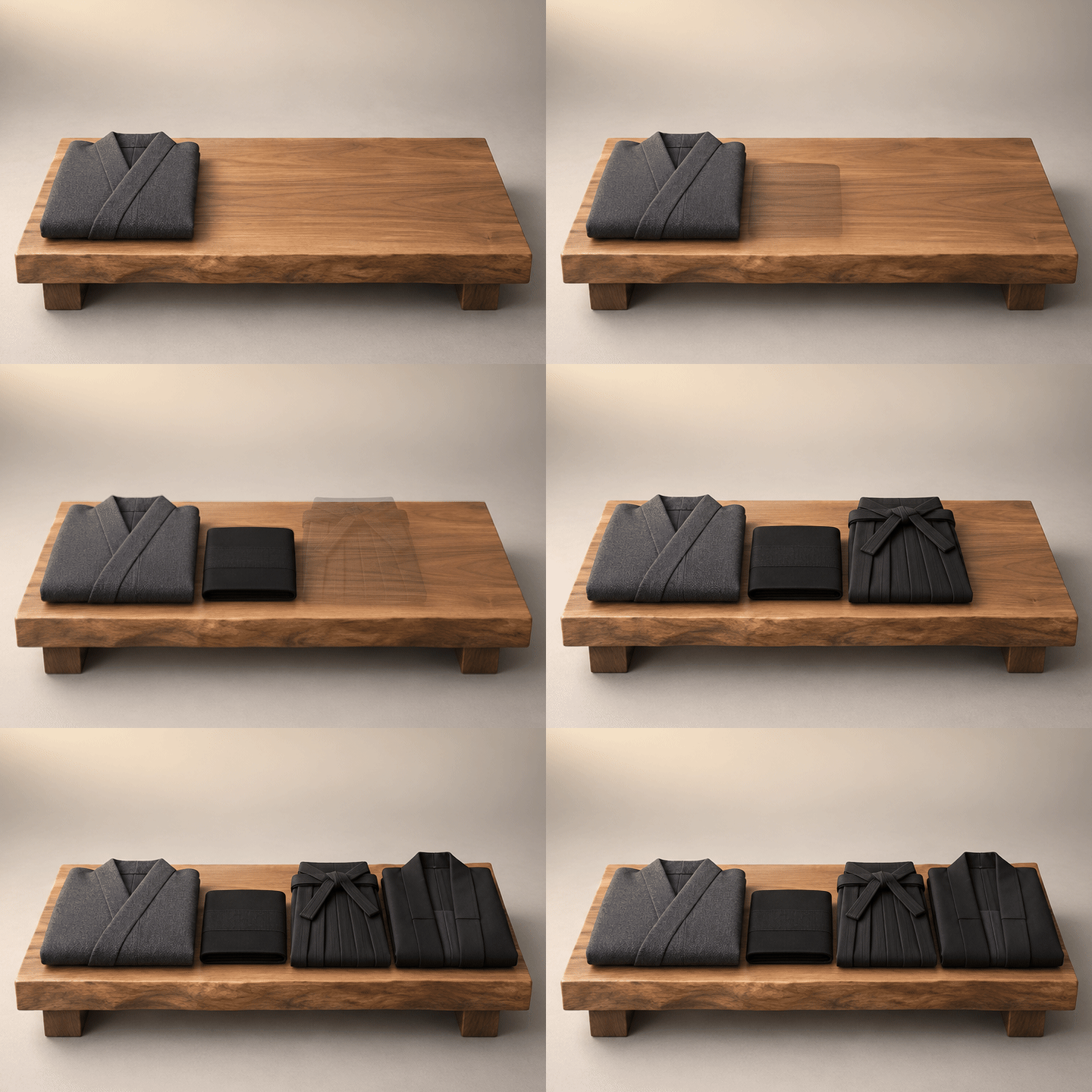
Formal wear in Japanese menswear is epitomized by the combination of a kimono, hakama, and haori. The kimono is the foundation of the outfit. It is wrapped around the body and secured with an obi. For the most formal events, such as weddings or traditional ceremonies, a montsuki kimono is often worn. This garment features family crests and is paired with a haori and a hakama. The hakama can be either a pleated skirt or trousers, adding a layer of formality and tradition to the outfit. For a ready-made formal outfit, Hakama Pant lists the Men's Kimono + Umanori Hakama Formal Set in graphite and black, with a plain kimono layer, a restrained haori and a formal wide pleated umanori-style hakama. The kamishimo, a stiff sleeveless shoulder garment worn over matching hakama, is a historical formal outfit that is now seen mostly in museums, stage costume and some traditional events. Conventions for all of these pieces vary by region and event.
Summer and festival wear: yukata, jinbei and happi
Summer and festival wear in Japanese menswear is characterized by its lightness and comfort. The yukata is a popular choice for summer festivals and casual outings. It is a lighter, unlined relative of the kimono, often in brighter patterns. The jinbei is another summer staple, consisting of a loose-fitting top and shorts, worn for relaxing at home or at local summer events. The happi coat is a traditional garment often seen during festivals, worn over a yukata or casual clothing. It commonly carries bold designs or a group crest. These pieces are designed to keep the wearer cool and comfortable during the hot summer months,
Work and home wear: samue and momohiki
For work and home, Japanese menswear emphasizes comfort and practicality. The samue is a traditional garment that has been adapted for modern use. Comprising a loose-fitting top and trousers, it is worn for a variety of activities, from gardening to household chores and craft work. The momohiki is another piece of workwear, similar to the samue but often more durable and suited for heavier tasks. Both the samue and momohiki are designed to provide freedom of movement and comfort, which is why they remain everyday wear for many. These garments reflect the Japanese emphasis on functionality and simplicity.
Footwear and accessories worn with them
Footwear and accessories are essential components of Japanese traditional dress, and they follow the formality of the outfit. For formal occasions, tabi socks are worn with zori sandals, flat sandals that suit formal dress. This combination is both practical and elegant, providing a stable and comfortable base for walking. During summer festivals, geta are the preferred footwear, paired with yukata. Geta are elevated wooden sandals with a raised platform, Accessories such as the obi, a wide sash that secures the kimono, and the haori, a jacket worn over the kimono, add layers of detail and style to the outfit. Hakama Pant does not sell footwear, so plan tabi, zori or geta separately.
The garments compared side by side
| Garment | Type | Typical occasion | Sold by Hakama Pant |
|---|---|---|---|
| Hakama | Pleated trousers or skirt | Formal dress, martial arts, modern outfits | Yes |
| Kimono | Wrapped robe | Formal and semi-formal | Only within kimono and hakama sets |
| Haori | Jacket worn over kimono | Formal and smart | Only within sets that include it |
| Yukata | Light robe | Summer festivals | No |
| Jinbei | Top and shorts | Summer home wear | No |
| Samue | Top and trousers | Work and home wear | No |
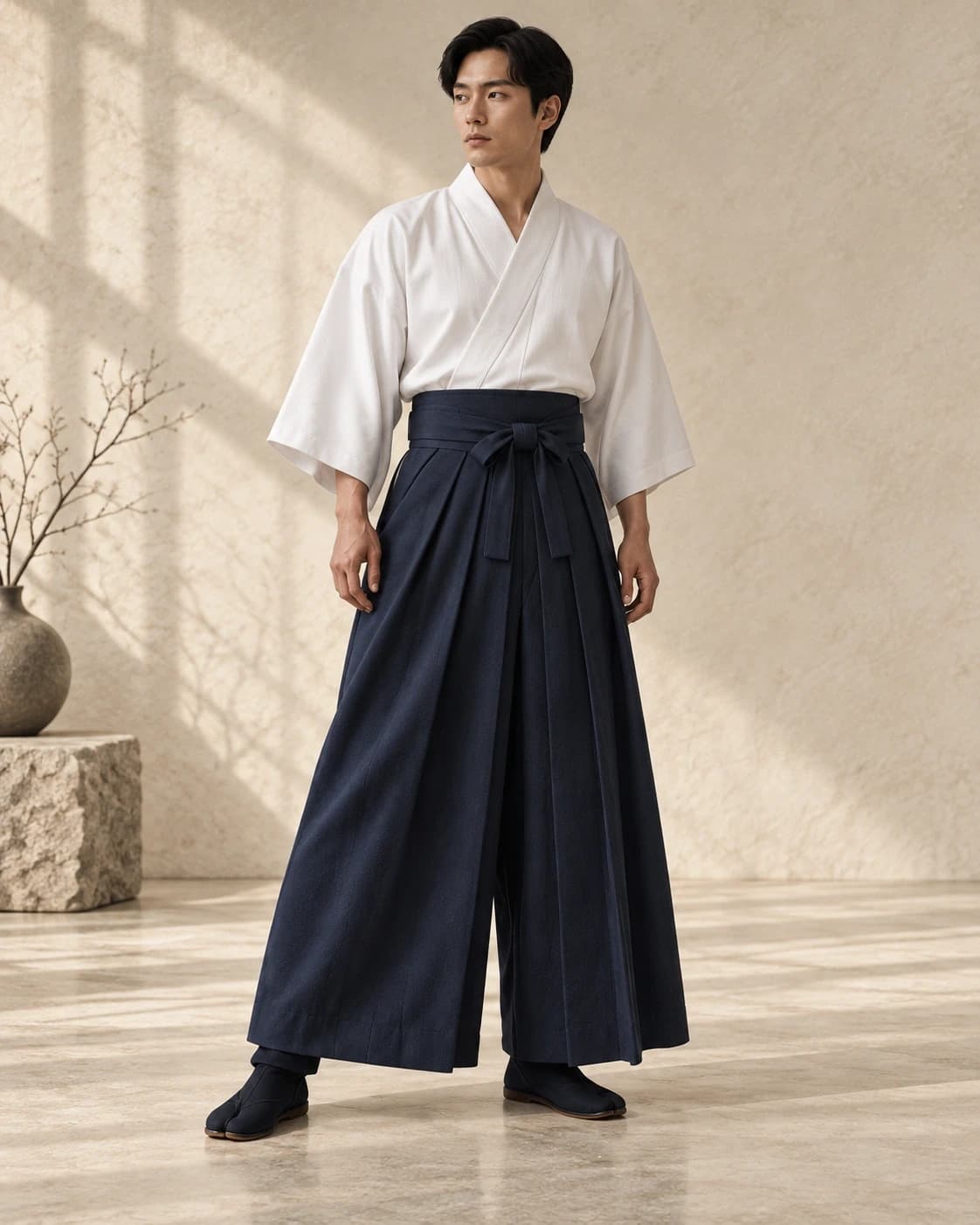
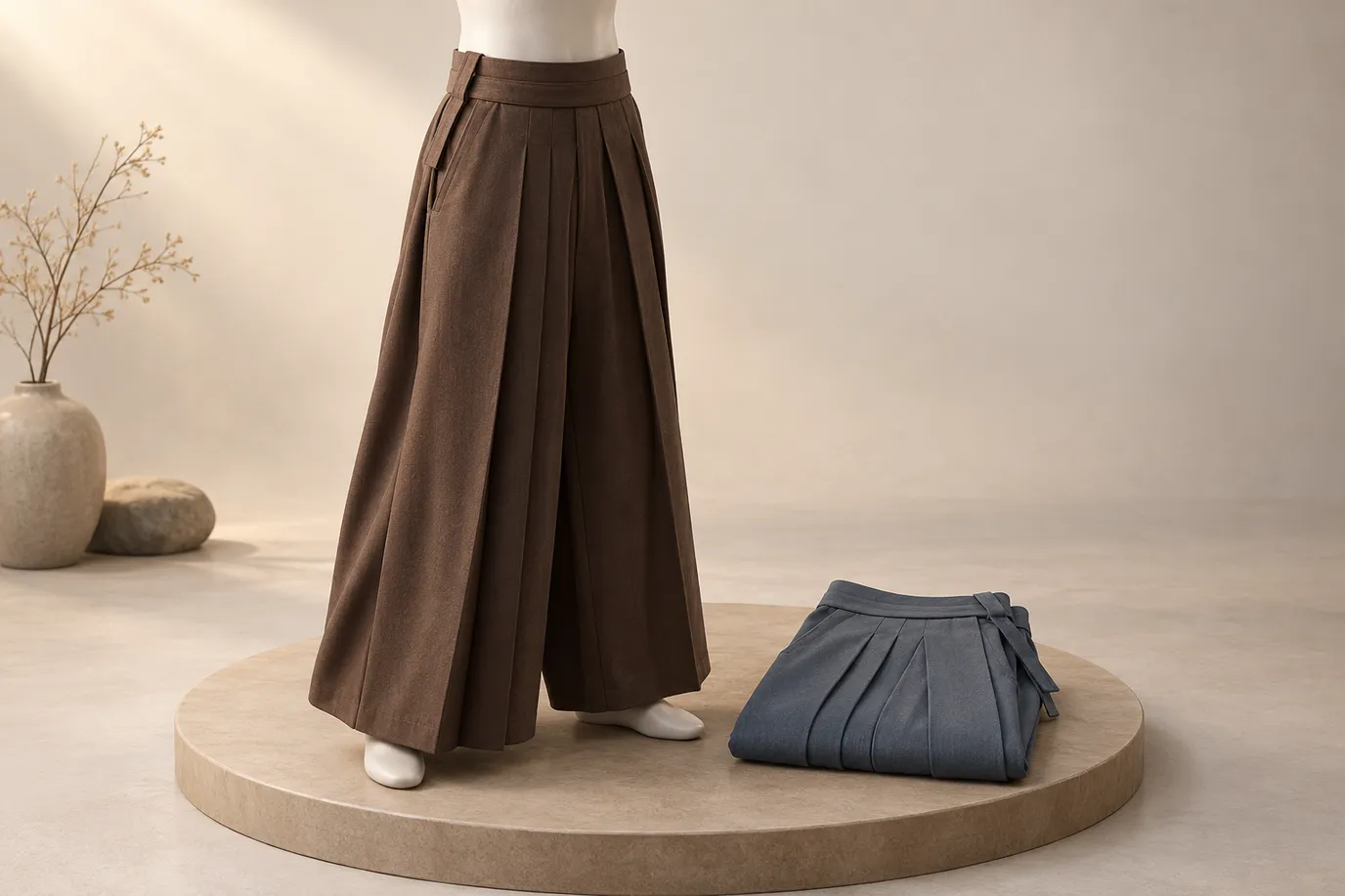
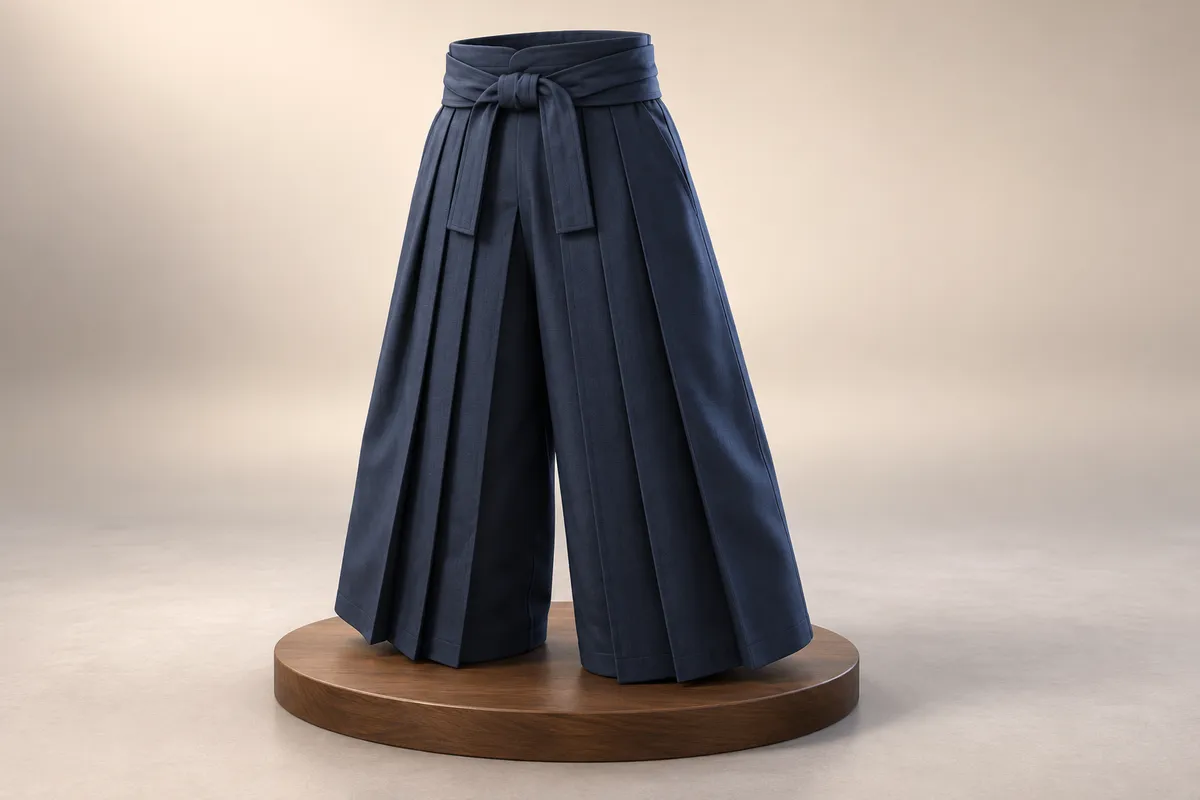
This is a general garment comparison; conventions vary by region and event. If you want the hakama on its own in a traditional cut, the Umanori Divided-Leg Hakama in deep navy has a divided-leg silhouette, a tie waistband and measured pleats, listed in sizes S to XXL.
Wearing traditional pieces in a modern outfit
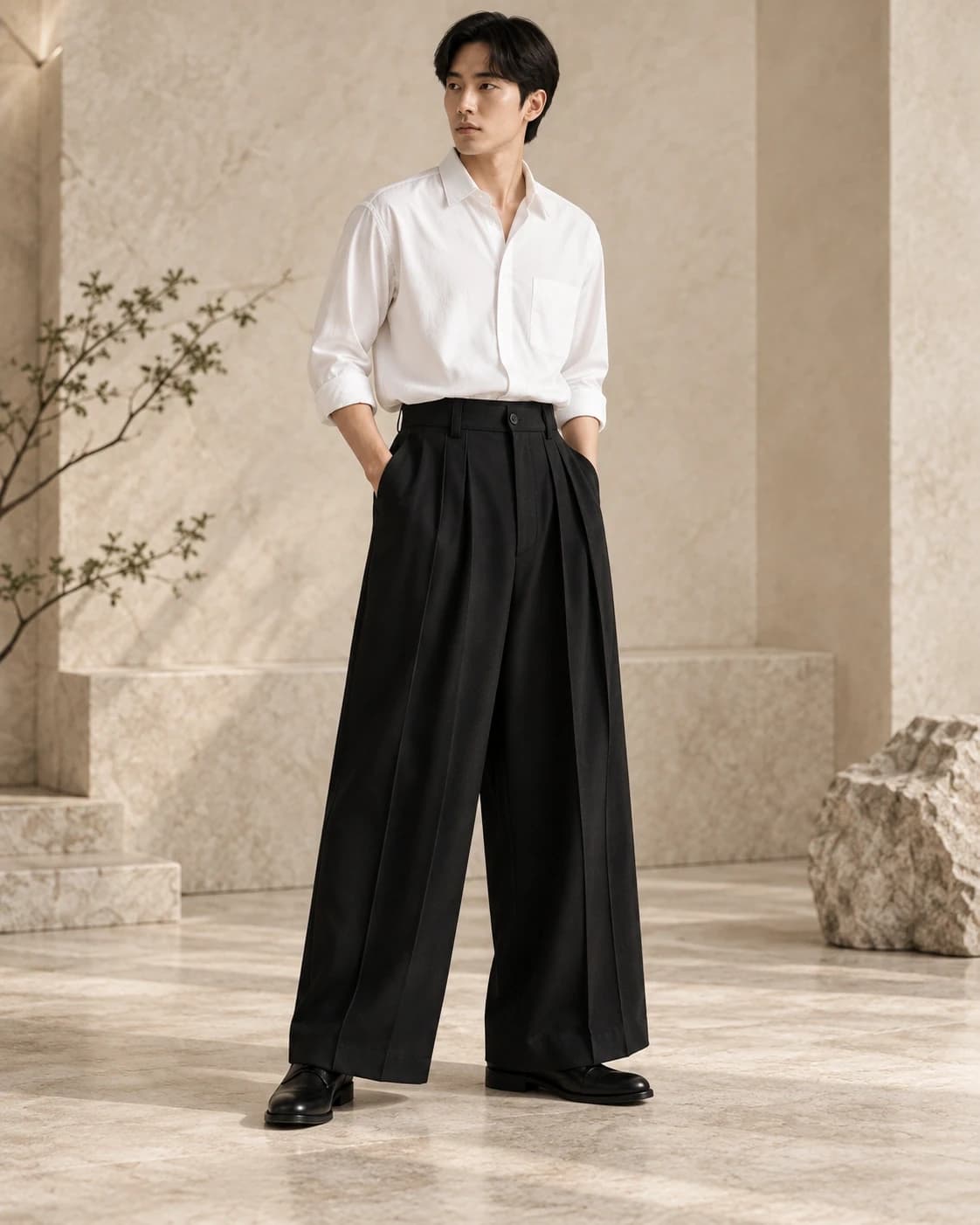
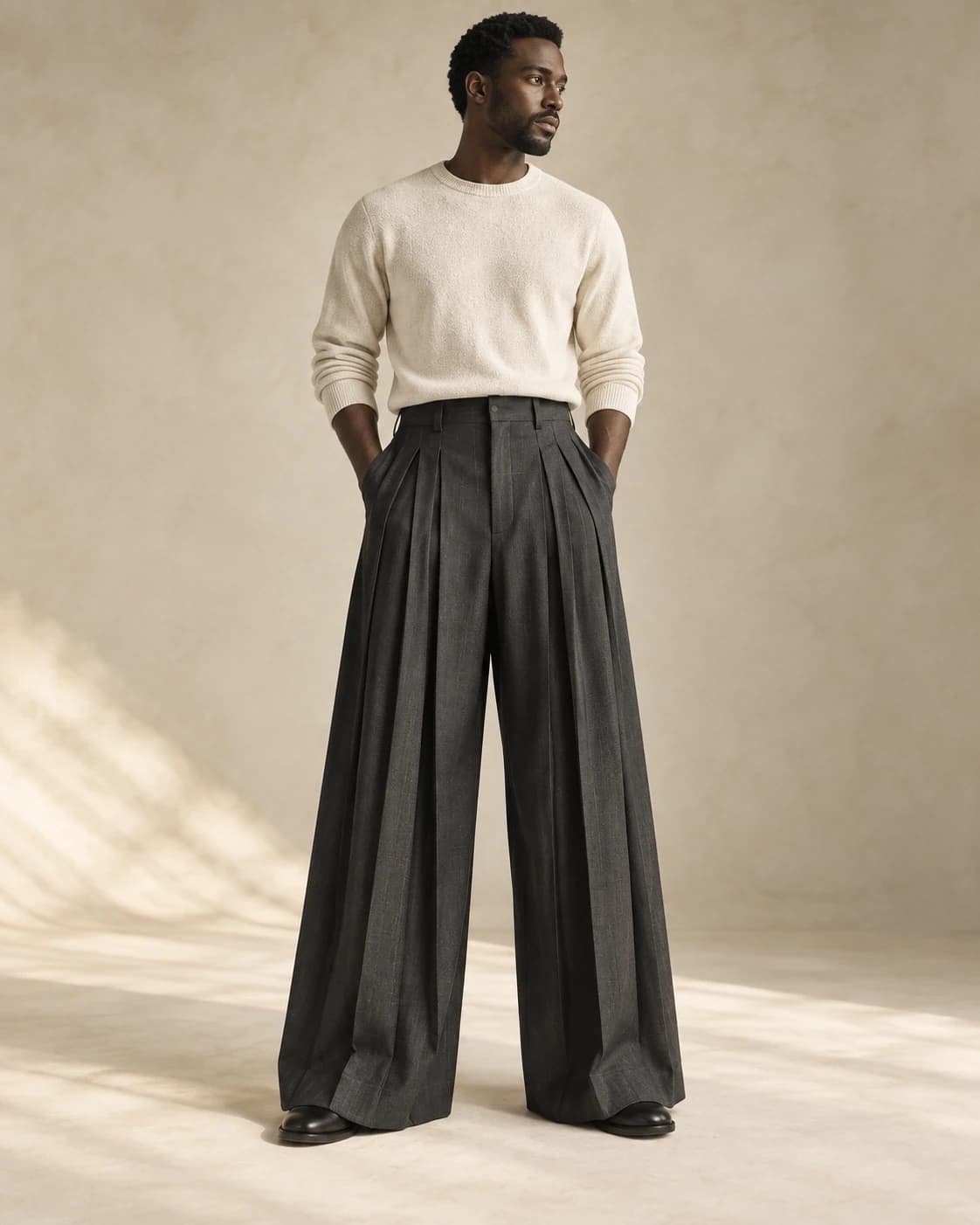
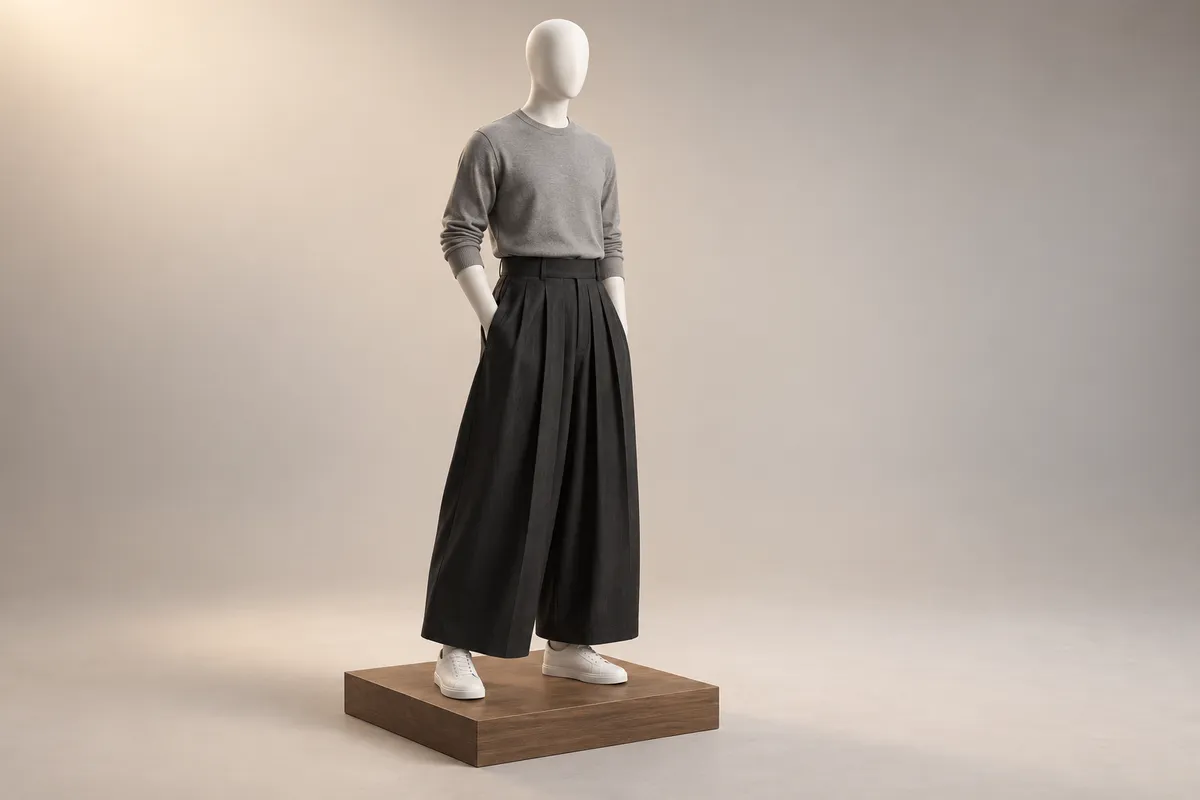
Traditional Japanese garments can work in modern outfits when you borrow one piece at a time. The simplest way to do this is by wearing a hakama with contemporary clothing. For example, the Men's Japanese Hakama Pants in black, a men's streetwear design listed in sizes S to XXL, can be paired with a plain tee, knit, or shirt. The top can be tucked in or cropped to show off the waist, adding a modern twist to the traditional piece. Keep the rest of the outfit quiet: one or two plain colours, no other Japanese-coded pieces, and a jacket that ends at the waist if you need one. Simple flat shoes complement the look, so the pleats stay the focus. When choosing a hakama for modern wear, it's important to check the waist type, length, and listed size on the product page before ordering. Hakama Pant sells hakama and kimono-and-hakama sets only; it does not sell standalone kimono, yukata, jinbei, samue, happi coats or footwear.
Frequently Asked Questions
What is Japanese traditional dress for men called?
Japanese traditional dress for men is usually called wafuku, with the kimono as the main garment. For formal occasions, men's dress includes the montsuki, a kimono with family crests, commonly black,, worn with a haori jacket and hakama trousers. Everyday clothing in Japan is mostly Western in cut, so wafuku is now worn mainly for weddings, ceremonies, festivals and the tea ceremony.
Do men wear kimono or yukata?
Men can wear both kimono and yukata depending on the occasion. Kimono is typically worn for formal events, such as weddings and traditional ceremonies, while yukata is a lighter, more casual version suitable for summer festivals and casual outings. For a formal outfit, the kimono is worn with a hakama and haori, while the yukata is usually worn on its own with an obi and geta.
What is a male version of a kimono?
The male version of a kimono is simply called a kimono. It is a T-shaped robe that is wrapped around the body and secured with an obi. For formal events, men often wear a kimono with a hakama and haori. These combinations are traditional and appropriate for various formal and semi-formal occasions.
What are yukata and hakama?
A yukata is a light casual summer robe, typically worn during summer festivals and casual occasions. A hakama is pleated trousers or a skirt worn over a kimono for formal events and in some martial arts. While a hakama can be paired with a yukata for a casual, traditional look, this combination is less common and more informal. The store sells hakama and kimono-and-hakama sets, but not yukata.
Conclusion
Traditional Japanese clothing for men covers garments for every level of formality, from ceremonies to home wear. From the formal elegance of a kimono, hakama, and haori to the casual comfort of a yukata or samue, these pieces reflect the beauty and practicality of Japanese menswear. The hakama, in particular, stands out as a versatile piece that can be styled with modern clothing. Start with the occasion, then pick the pieces that match it.
Sources and buying checks
For cultural context, see The Metropolitan Museum of Art: Kimono Style. This reference does not verify any shop garment’s construction. Use the free buying tool and the shopping checklist before choosing a product.