Japanese streetwear pants are wide, often pleated trousers drawn from traditional cuts such as the hakama. The main styles are hakama pants with deep front pleats, extra-wide straight legs, cargo or techwear versions with pockets, and asymmetric avant-garde cuts. Pair them with a shorter or tucked top to keep the proportions.
Key Takeaways
- Hakama pants: Deep front pleats and wide divided legs are the clearest sign of the style.
- Volume: Extra-wide pleated pants offer maximum volume and a clean waist, which makes the silhouette the focus.
- Utility: Cargo and techwear hakama combine functional pockets with a traditional aesthetic.
- Asymmetry: Asymmetric styles feature one pleated panel and one plain leg, and they read best in minimal, monochrome outfits.
- Darkwear: Darkwear styles emphasize all-black volume with long pleats, built for layered black outfits.
- Fit: Measure your waist and outseam before choosing a size, and judge the length in your shoes.
What makes a pant Japanese streetwear
These pants draw on traditional Japanese cuts, particularly the hakama. They are characterized by their wide legs, often pleated, and a focus on creating a distinctive silhouette.
The label covers several looks. Some cuts lean towards avant-garde tailoring, with asymmetric panels and exaggerated volume, while others follow techwear and darkwear, where pockets, straps and all-black outfits matter more than the pleats. What ties them together is the wide leg and a waist that sits high enough to show. Our guide with outfit ideas built around hakama pants covers complete outfits; this page compares the cuts themselves.
Hakama pants: the pleated streetwear staple
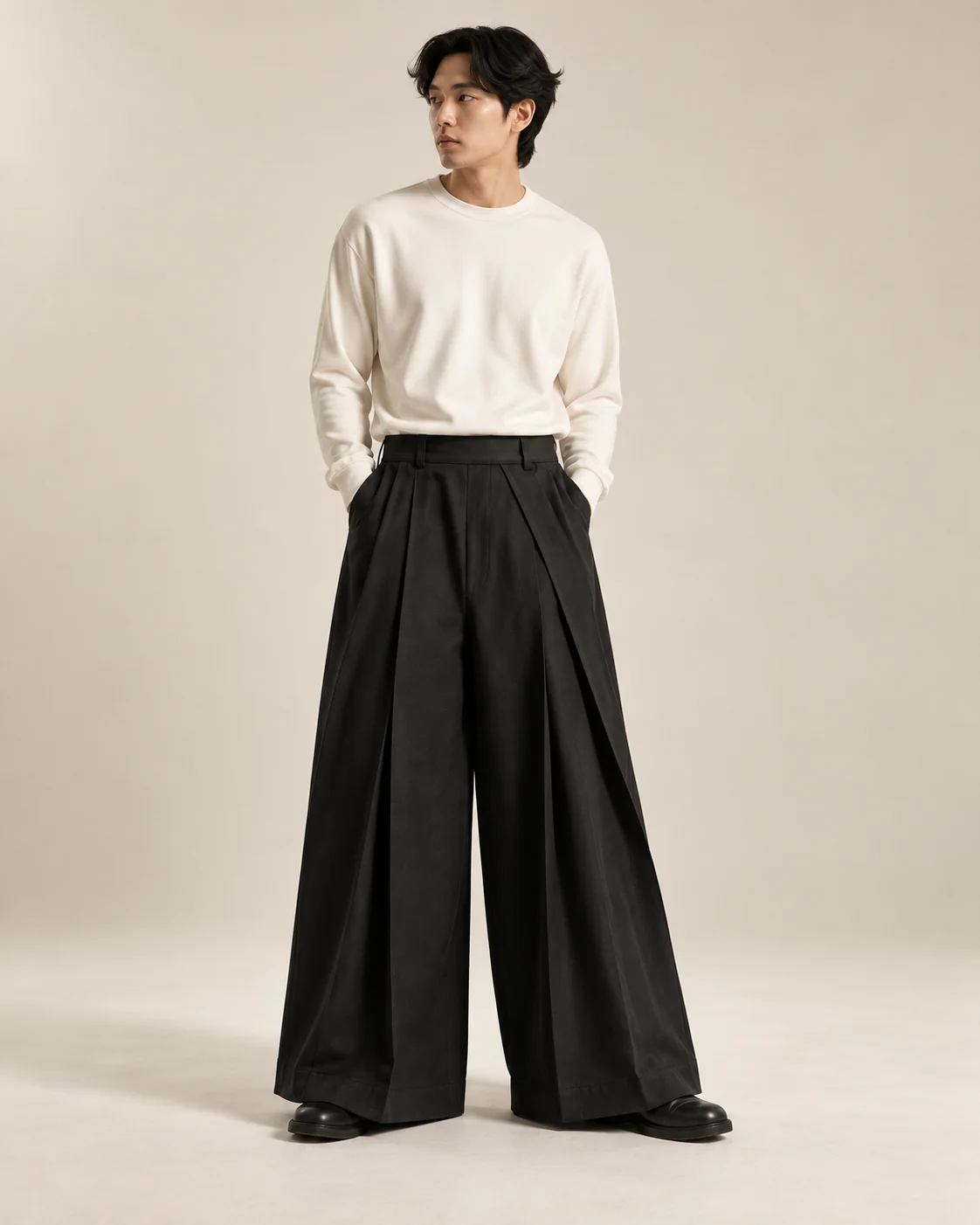
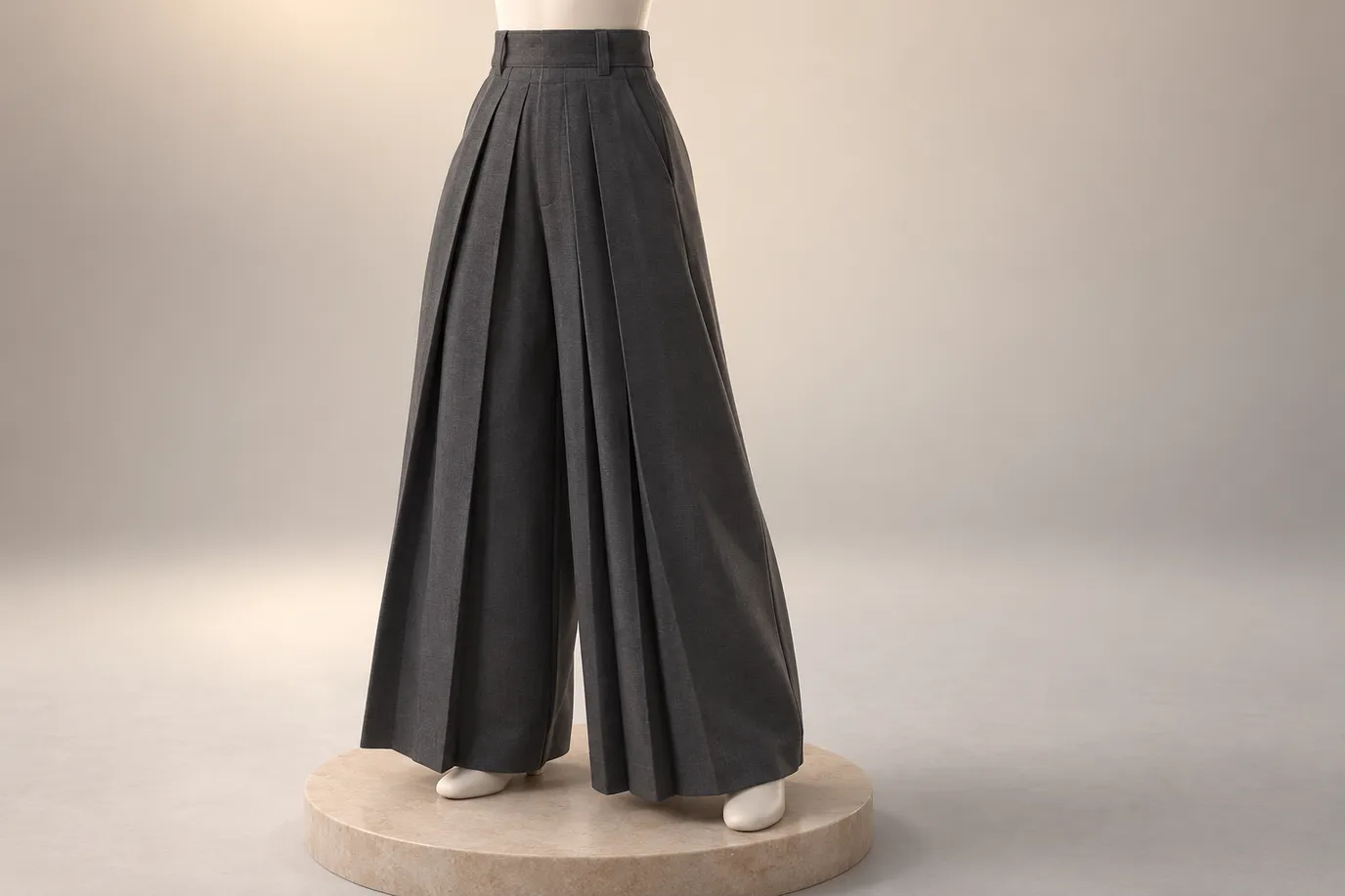
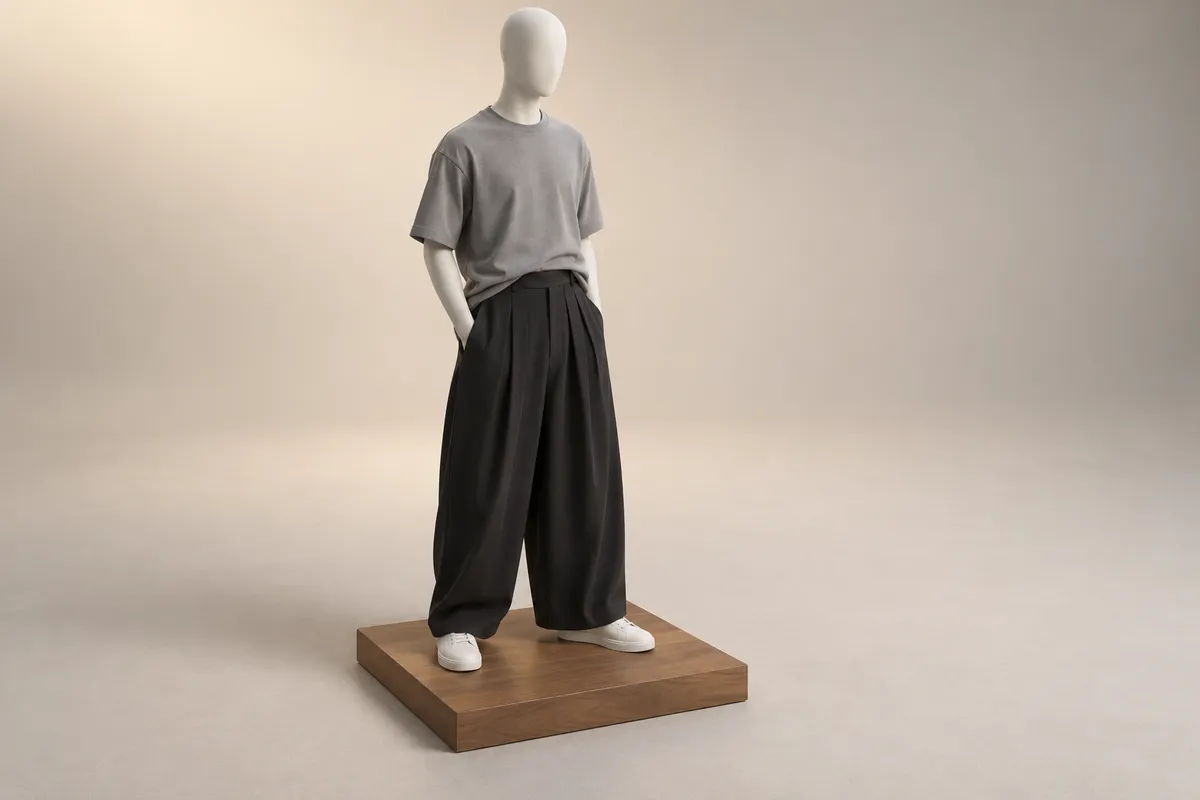
Hakama pants are a cornerstone of contemporary fashion, blending traditional Japanese design with modern aesthetics. These pants are characterized by deep front pleats and generously divided legs, which create a voluminous and elegant silhouette. The pleats add a dynamic texture to the fabric, making hakama pants a standout piece in any wardrobe. Many modern versions have replaced the long ties of a traditional hakama with a flat waistband, making them more convenient to wear and easier to pair with a variety of tops, from tees to knits.
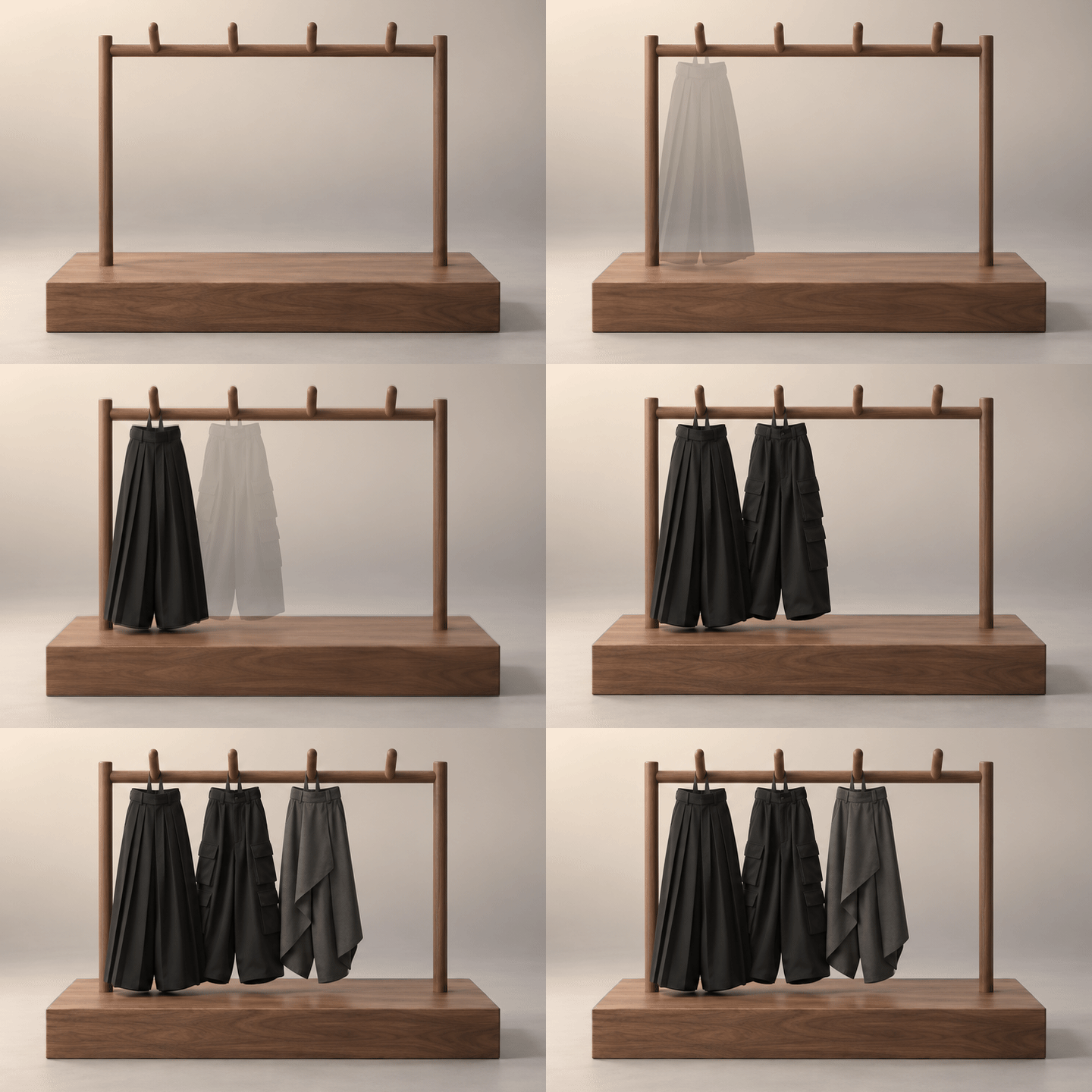
The deep front pleats are the focal point of hakama pants, so it's best to keep the rest of the outfit simple to avoid overwhelming the look. The pleat depth can vary, from subtle and minimal to deep and dramatic, allowing you to tailor the style to your preference. For a contemporary take, consider Modern Streetwear Hakama Pants in black. These pants feature deep front pleats, generous divided legs, and a clean flat waistband, available in sizes S to XXL. They are versatile enough to be worn with a casual tee or a more polished knit, making them a versatile addition to any wardrobe.
Extra-wide, cargo and techwear cuts
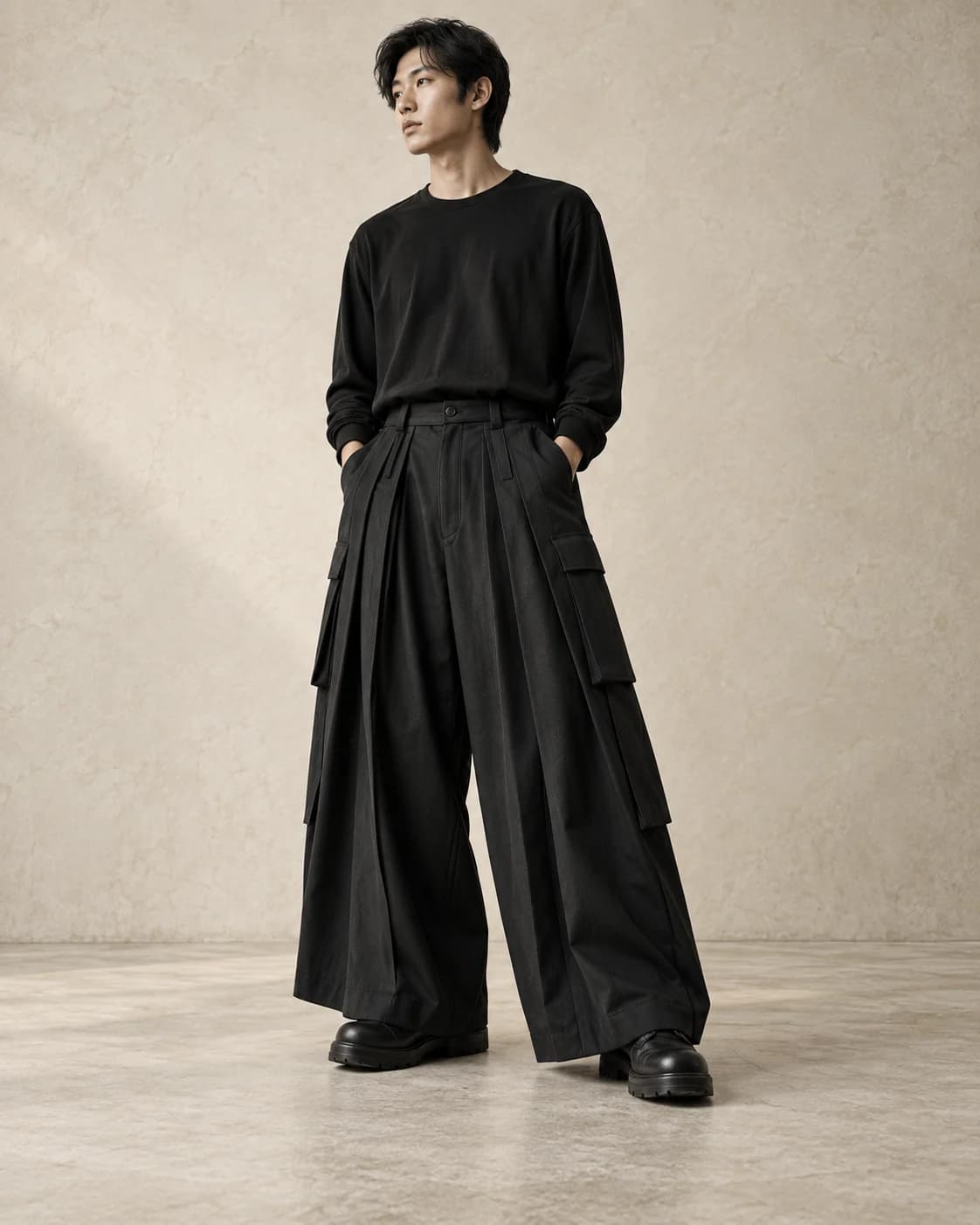
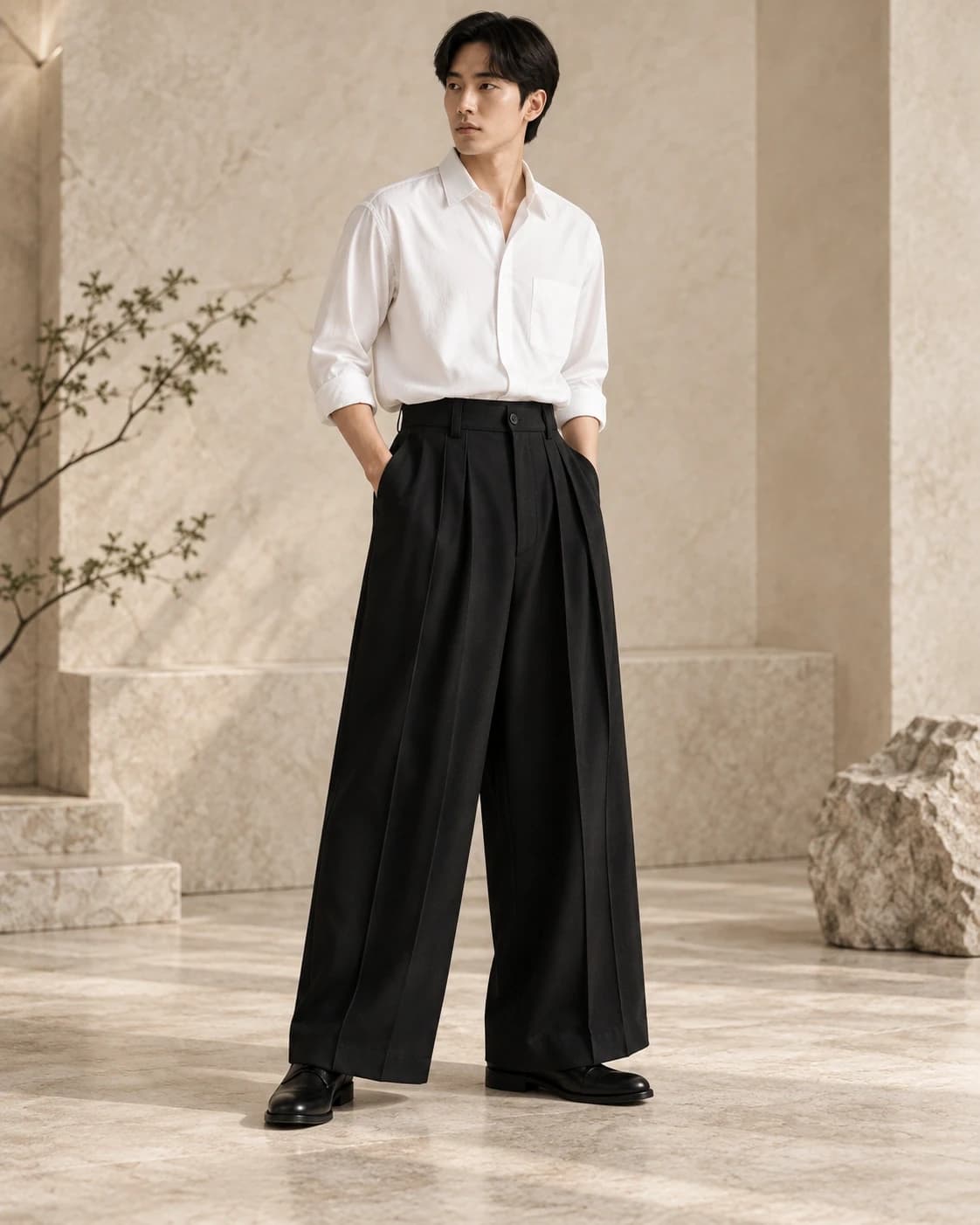
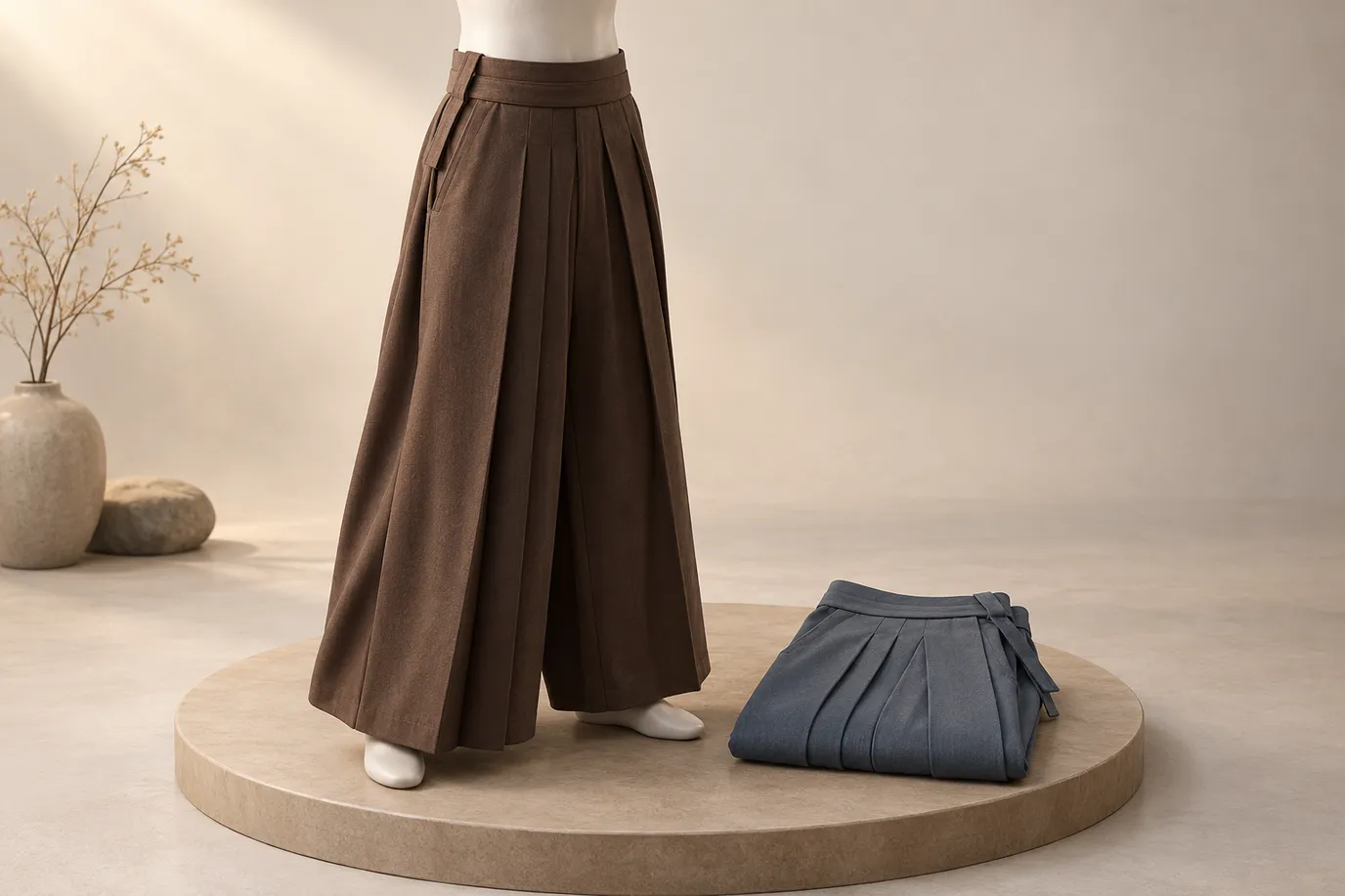
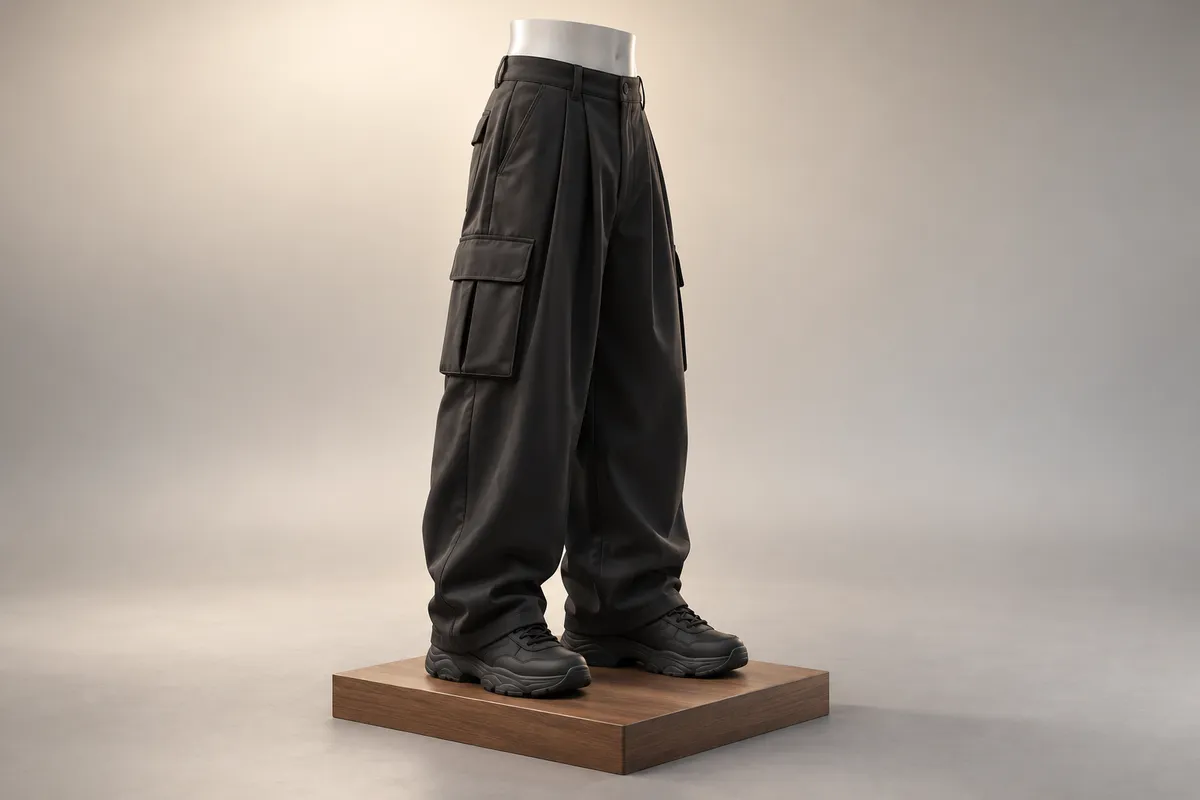
Extra-wide pleated pants offer a bold and dramatic silhouette for readers who want the trousers to lead the outfit. The wide, straight legs create a sense of volume and movement, which can be balanced with fitted knits or cropped tops to maintain a modern and proportionate look. The key to styling these pants is to ensure that the waist remains visible, which helps to define the shape and avoid a bulky appearance. For a more functional and techwear-inspired option, consider Utility / Techwear Cargo Hakama. This design features quiet utility pockets integrated at the side seam beneath broad pleats, adding a practical element to the style. The pants are available in sizes S to XXL, making them suitable for a wide range of body types.
Cargo and techwear cuts are not just about aesthetics; they are designed with functionality in mind. The utility pockets are often placed strategically to be both practical and unobtrusive, allowing you to carry essentials without compromising the look of the pants. When choosing a cargo or techwear cut, check the product page for details on the pockets and closures to ensure they meet your needs. The wide legs of these pants can be paired with fitted or cropped tops to create a balanced silhouette. Taller individuals can carry the extra volume more easily, while shorter people may benefit from a higher waist and a tucked top to lengthen the leg line.
Asymmetric and darkwear styles
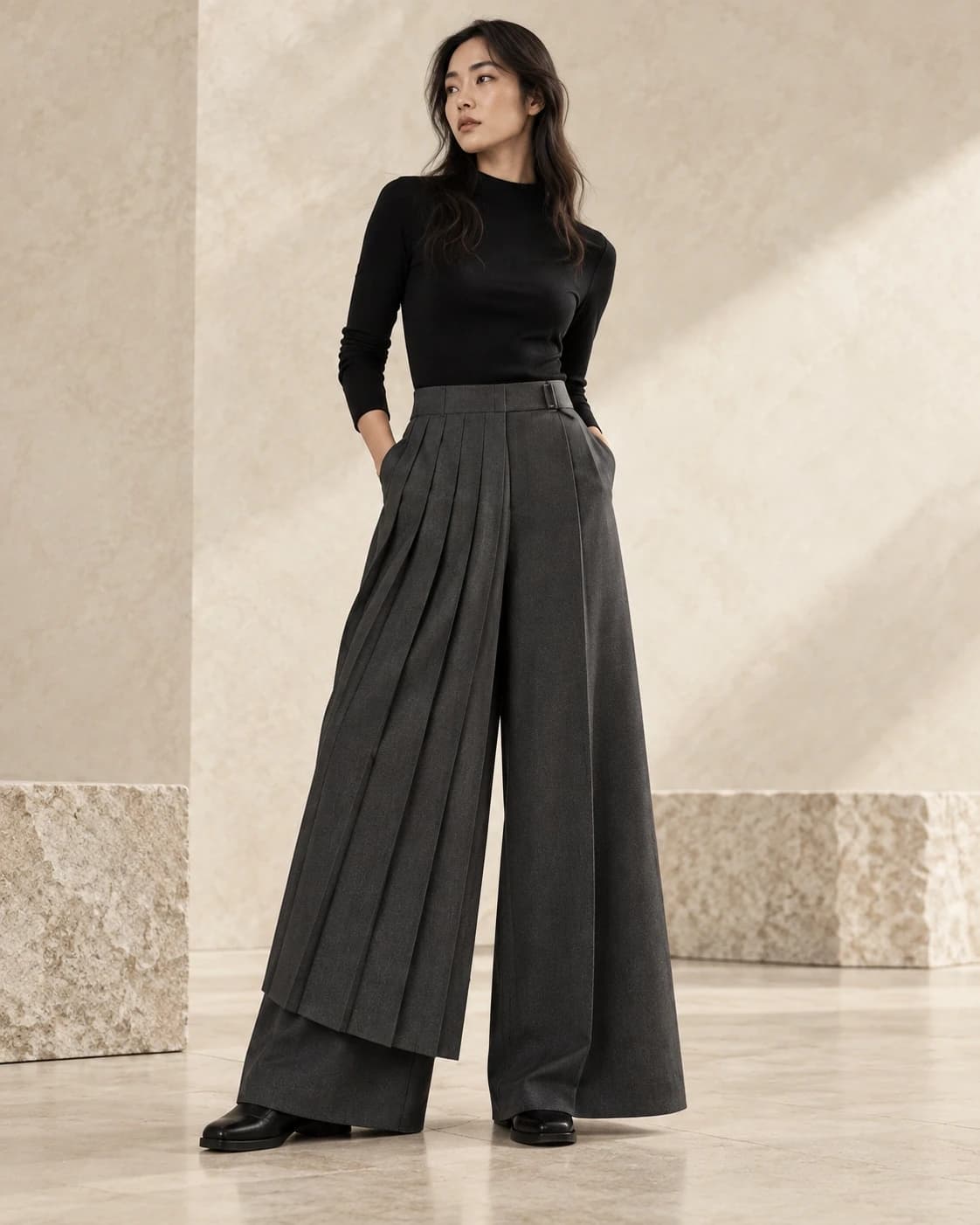
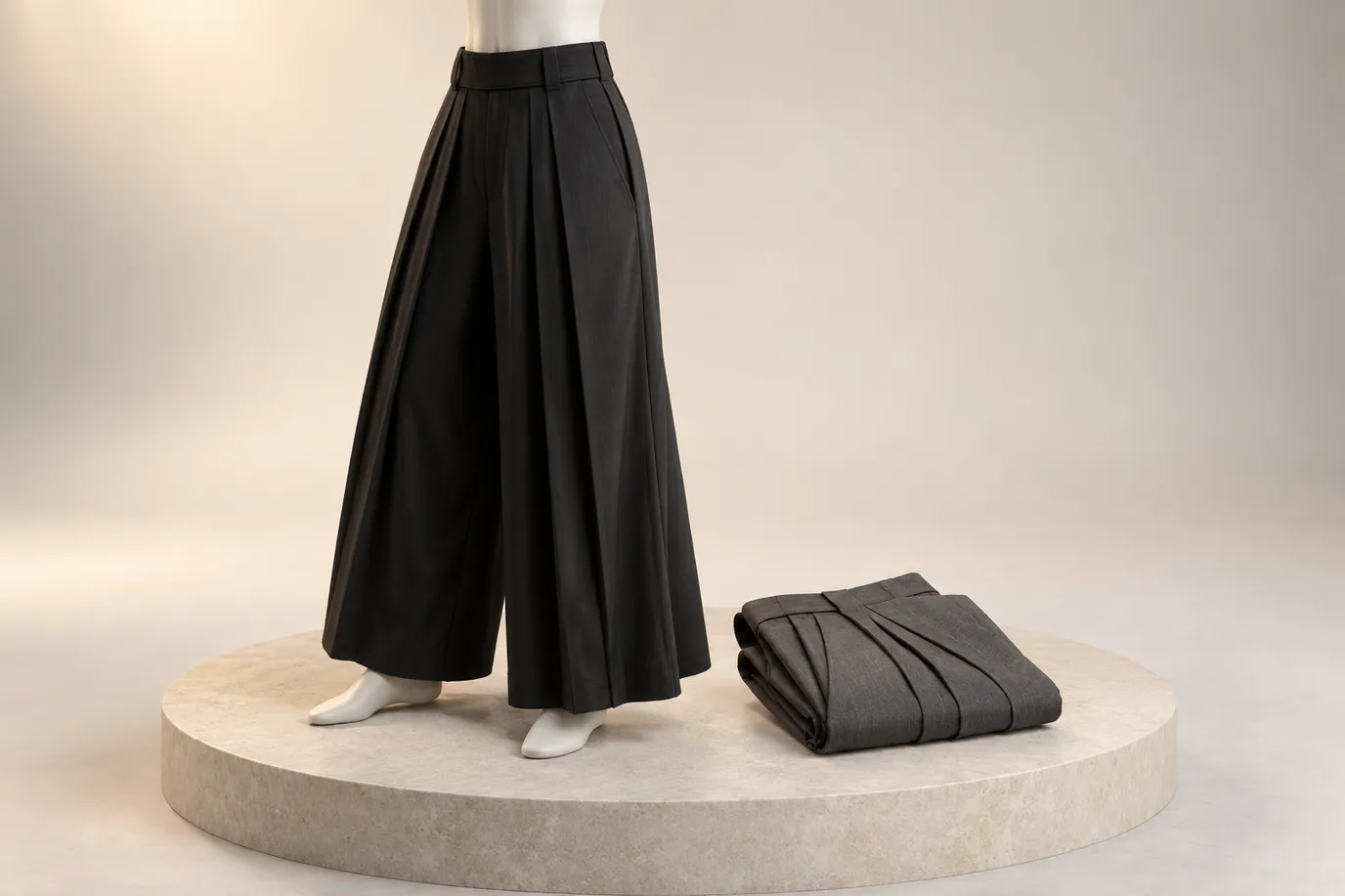
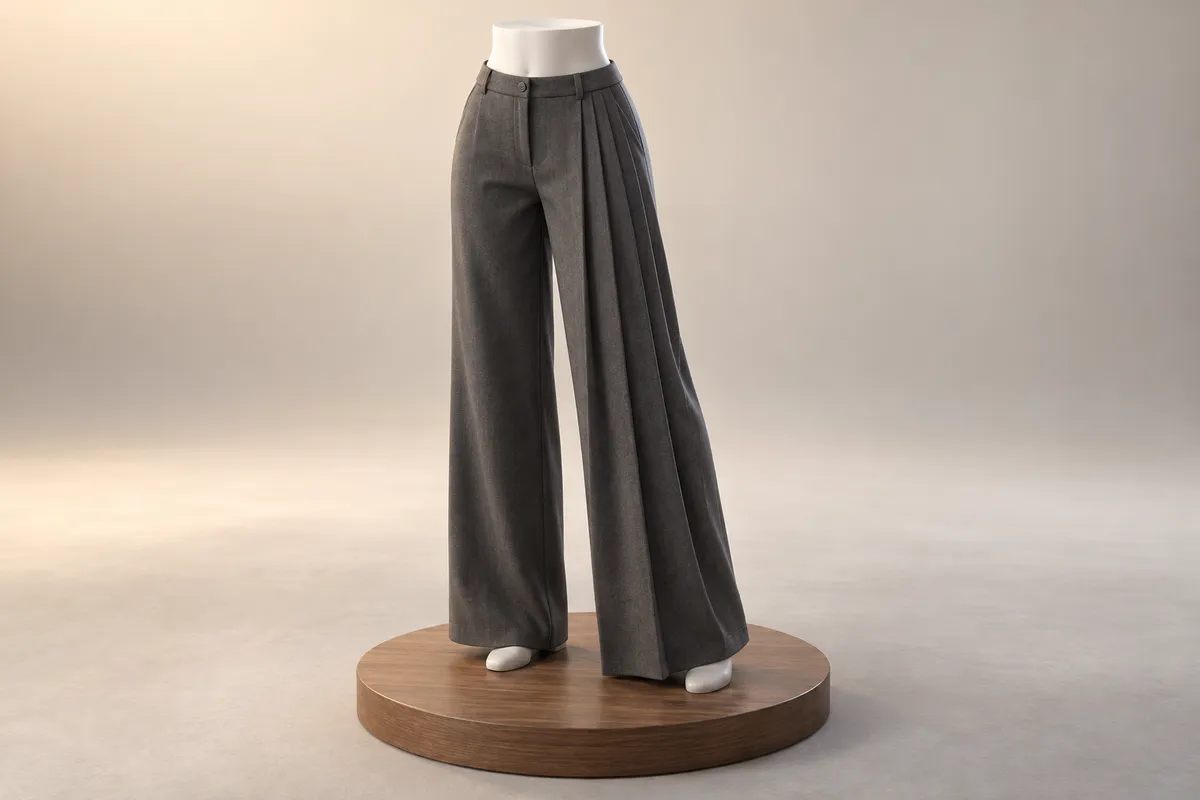
Asymmetric hakama style pants are a bold choice for those who want to embrace avant-garde fashion. These pants feature one asymmetric front pleat panel and a clean opposing plain leg, creating a unique and modern look. They work best in monochrome, minimal outfits where the uneven front is the only detail. The Asymmetric Hakama Style Pants in graphite follow this idea, with one asymmetric front pleat panel and a clean opposing plain leg, listed in sizes S to XXL.
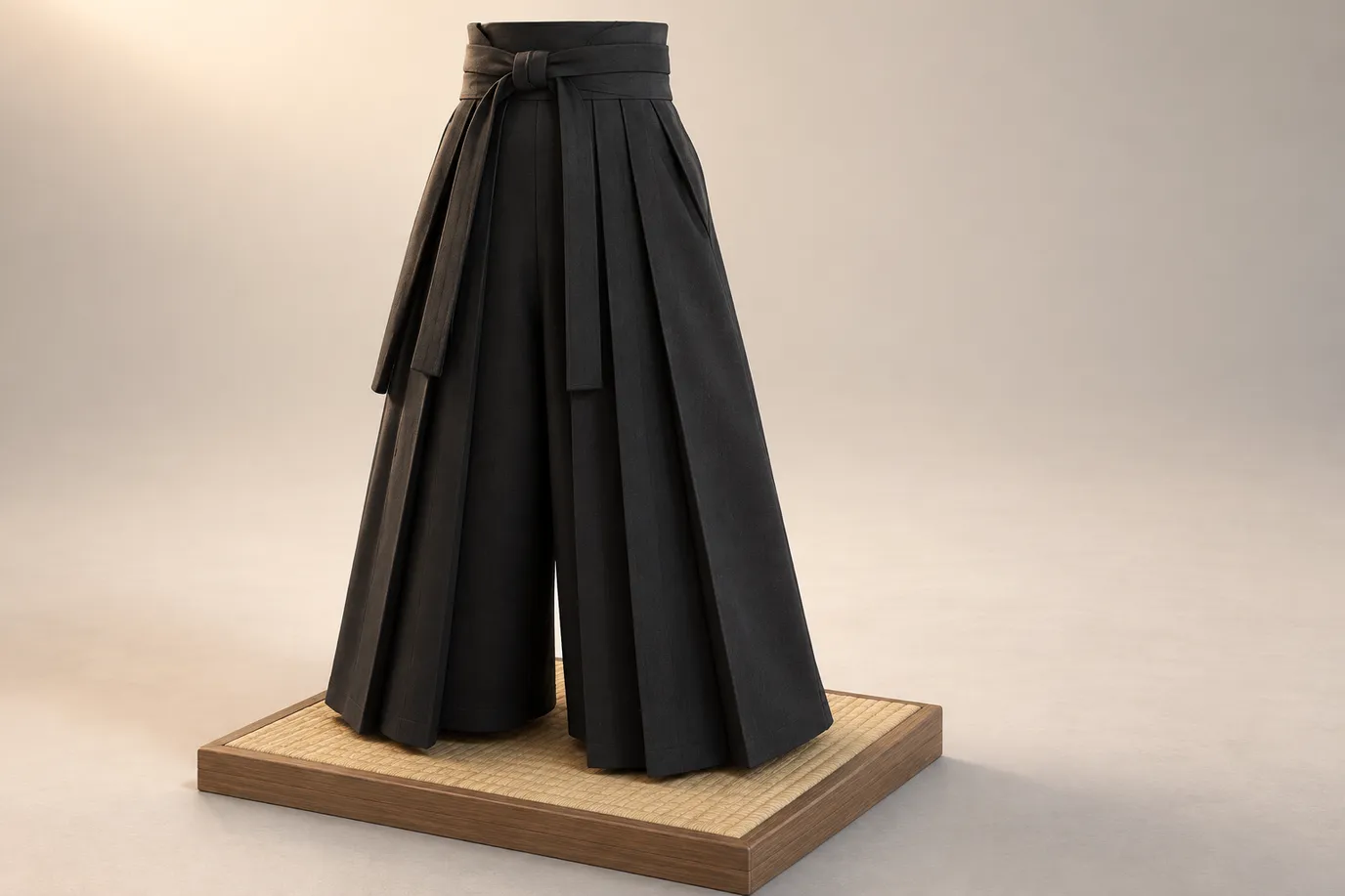
Darkwear styles, characterized by all-black volume and long pleats, are ideal for layered black outfits. The Black Streetwear Hakama is the store's darkwear design, with dramatic monochrome volume and longer front pleats.
Japanese streetwear pants compared
| Style | Look | Works with |
|---|---|---|
| Hakama pants | Deep front pleats, wide divided legs | Boxy tees, short jackets |
| Extra-wide pleated | Maximum volume, clean waist | Fitted knits, cropped tops |
| Cargo or techwear hakama | Pleats plus utility pockets | Shells, hoodies, chunky sneakers |
| Asymmetric | One pleated panel, one plain leg | Monochrome, minimal tops |
| Darkwear | All-black volume, long pleats | Layered black outfits |
Hakama pants pair well with boxy tees and short jackets, while extra-wide pleated pants are best with fitted knits and cropped tops. Cargo and techwear hakama work well with shells, hoodies, and chunky sneakers, while asymmetric styles are ideal for monochrome and minimal tops. Darkwear styles suit layered black outfits. This is a styling comparison only, not a statement about fabric or construction.
How to style wide Japanese pants
Styling wide pants is all about proportion and balance. To achieve a harmonious look, pair these pants with a shorter or tucked top to create a defined waistline. This helps to keep the proportions in check and prevents the outfit from appearing overly bulky. For shorter individuals, a higher waist and a tucked top can elongate the legs, creating a more flattering silhouette. Taller people can experiment with extra-wide and cropped tops, as they can carry the additional volume more easily.
When choosing the right size, measure your waist and outseam before making a selection, and compare these measurements with the listed sizes on the product page. The length of the pants is crucial, so try them on with the shoes you plan to wear to ensure the hem just clears the floor. Low sneakers are a great choice for maintaining a clean and streamlined look, while chunky sneakers can balance the volume of extra-wide or cargo cuts. For a more traditional or avant-garde touch, consider tabi boots, which complement the wide legs and add a unique flair to the outfit.
Sock and shoe choices are also important. Low sneakers keep the line clean and minimal, making them a versatile option for various occasions. Chunky sneakers, on the other hand, add a bold and modern edge, particularly when paired with cargo or techwear cuts. Tabi boots offer a more traditional and avant-garde look, making them a great choice for those who want to add a statement piece to their outfit. Remember to choose one statement piece per outfit to avoid overwhelming the look. Whether it's a bold top, a unique pair of shoes, or an eye-catching accessory, a single statement piece can help draw attention and create a cohesive and coherent outfit.
Hakama Pant streetwear designs
Hakama Pant sells hakama and hakama pants only. Its streetwear designs follow the same directions compared above: a modern pleated pair with a flat waistband, a cargo version with side-seam pockets, an asymmetric cut and an all-black darkwear design. Each product page shows the colour, the waist type and the listed sizes, so compare those before choosing, and start with the cut that matches the tops you already own.
Frequently Asked Questions
What are those Japanese pants called?
Those Japanese pants are commonly called hakama pants. They are wide, often pleated trousers inspired by traditional Japanese clothing. Hakama pants are known for their deep front pleats and wide divided legs, creating a distinctive silhouette. They are often seen in photos with a flowing, layered look and can be paired with both casual and formal tops.
What is Japanese streetwear style called?
Japanese streetwear style is often referred to as Harajuku or Ura-Harajuku, techwear, and darkwear. These styles are characterized by bold, unconventional designs and a mix of traditional and modern elements. Harajuku is known for its colorful and playful aesthetics, while techwear focuses on futuristic and functional designs. Darkwear, on the other hand, emphasizes a darker, more minimalist look.
What pants are popular in Japan?
In Japan, wide-leg and pleated trousers are a common sight in Tokyo street fashion, alongside tapered and cargo cuts. These styles are often seen in photos with a mix of traditional and modern elements. Trends can change quickly, but wide pleated pants, tapered jeans, and cargo pants are frequently worn. They are versatile and can be styled in various ways to create a unique look.
What is a famous Japanese brand of pants?
Many Tokyo labels produce wide pleated trousers, but the cut and style are more important than the brand name. Hakama pants, with their deep front pleats and wide divided legs, are one cut to look for in those ranges. These pants are versatile and can be styled in various ways to create a unique and modern look. When choosing a size, measure your waist and outseam first and compare them with the listed size.
Conclusion
Japanese streetwear pants are wide, pleated trousers drawn from the hakama. From hakama pants with deep front pleats to extra-wide pleated styles and asymmetric cuts, there is a style to suit every taste. Pair these pants with a shorter or tucked top to keep the proportions balanced, and measure your waist and outseam before choosing a size, then judge the length in the shoes you plan to wear.
Sources and buying checks
For cultural context, see The Metropolitan Museum of Art: Kimono Style. This reference does not verify any shop garment’s construction. Use the free buying tool and the shopping checklist before choosing a product.