A cotton hakama is generally heavier, softer, and more traditional than a tetron one, but it needs more care: pleats must be folded after each wear and indigo cotton fades and can rub off. Tetron, a polyester blend, is usually lighter, dries faster, and holds its pleats with less work. Whether you're a martial-arts student or a fashion enthusiast, choosing the right fabric can make a significant difference in your experience.
Key Takeaways
- Weight and feel: A hakama in cotton is heavier, softer, and more traditional, requiring regular folding to maintain pleats.
- Pleat care: Tetron hakama is lighter, dries faster, and holds its pleats with less maintenance.
- Indigo dye: Aizome indigo cotton fades and can stain a white keikogi, so proper care is essential.
- Use decides: Many practitioners find tetron easier for frequent practice, while cotton is better for ceremony and daily wear.
- Everyday pants: Cotton and tetron are just two of several fabric options, each with its own benefits and drawbacks.
In short: what a cotton hakama is
In cotton, a hakama is a traditional Japanese garment made from natural cotton fabric. It is known for its softness, breathability, and traditional aesthetic. Cotton versions come in various styles, from the formal and wide-legged designs used in martial arts like kendo and iaido to the more casual, wide-leg trousers suitable for everyday wear. The natural properties of cotton make it a popular choice for those who value comfort and a connection to tradition.
Cotton vs tetron: how the two fabrics behave
When comparing cotton and tetron hakama, the differences in fabric behavior are significant. Cotton is heavier and more absorbent, which can make it feel cooler and more comfortable in warm weather. However, this absorbency also means it takes longer to dry and can shrink if not cared for properly. Tetron, on the other hand, is a polyester blend that is lightweight and quick-drying. It resists wrinkles and holds its shape well, making it a practical choice for regular practice sessions.
Hakama in cotton require more maintenance, particularly in terms of folding the pleats to maintain their shape. Tetron hakama, however, generally maintain their pleats with minimal effort, making them a more convenient option for frequent use.
Aizome indigo cotton and why it fades
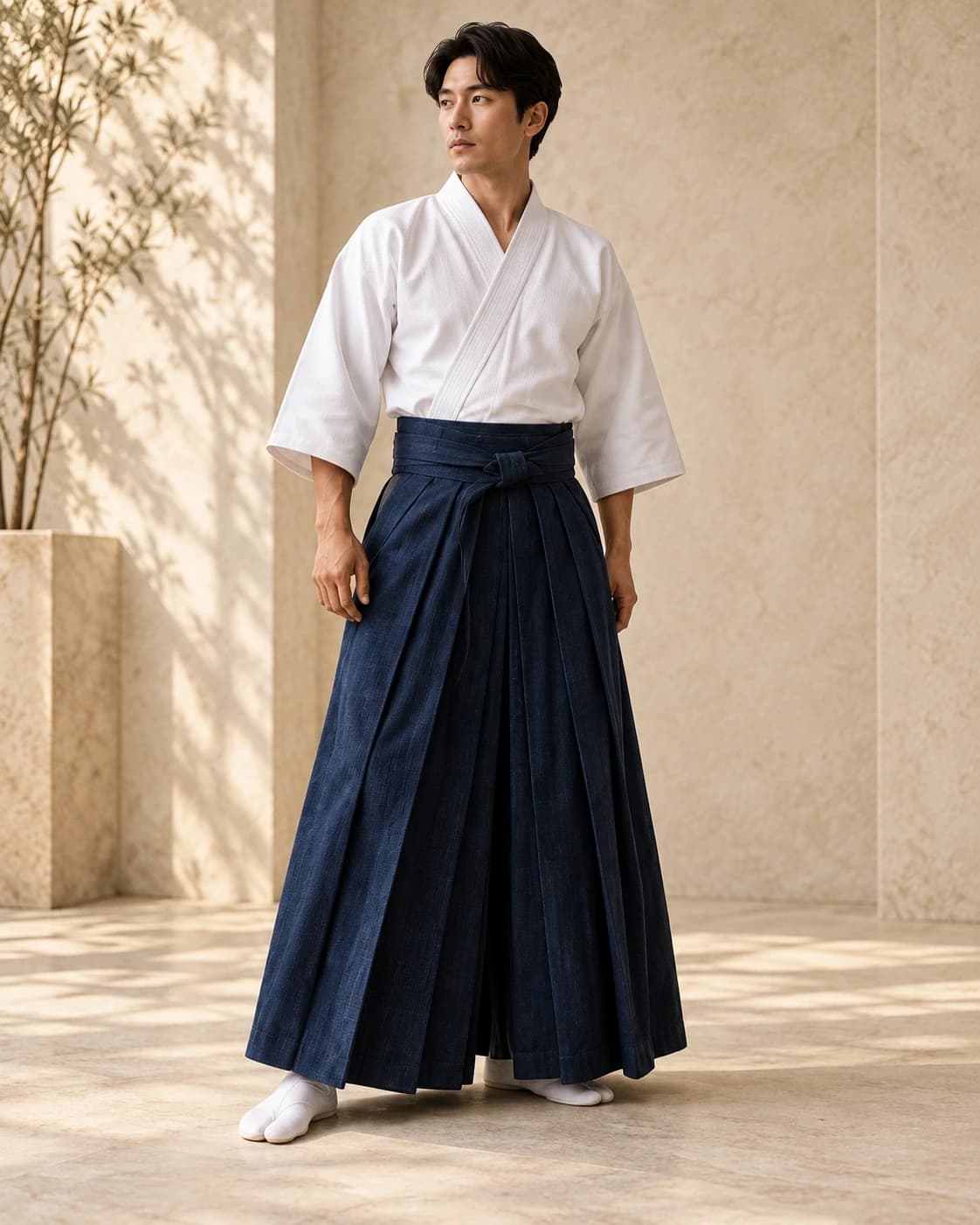
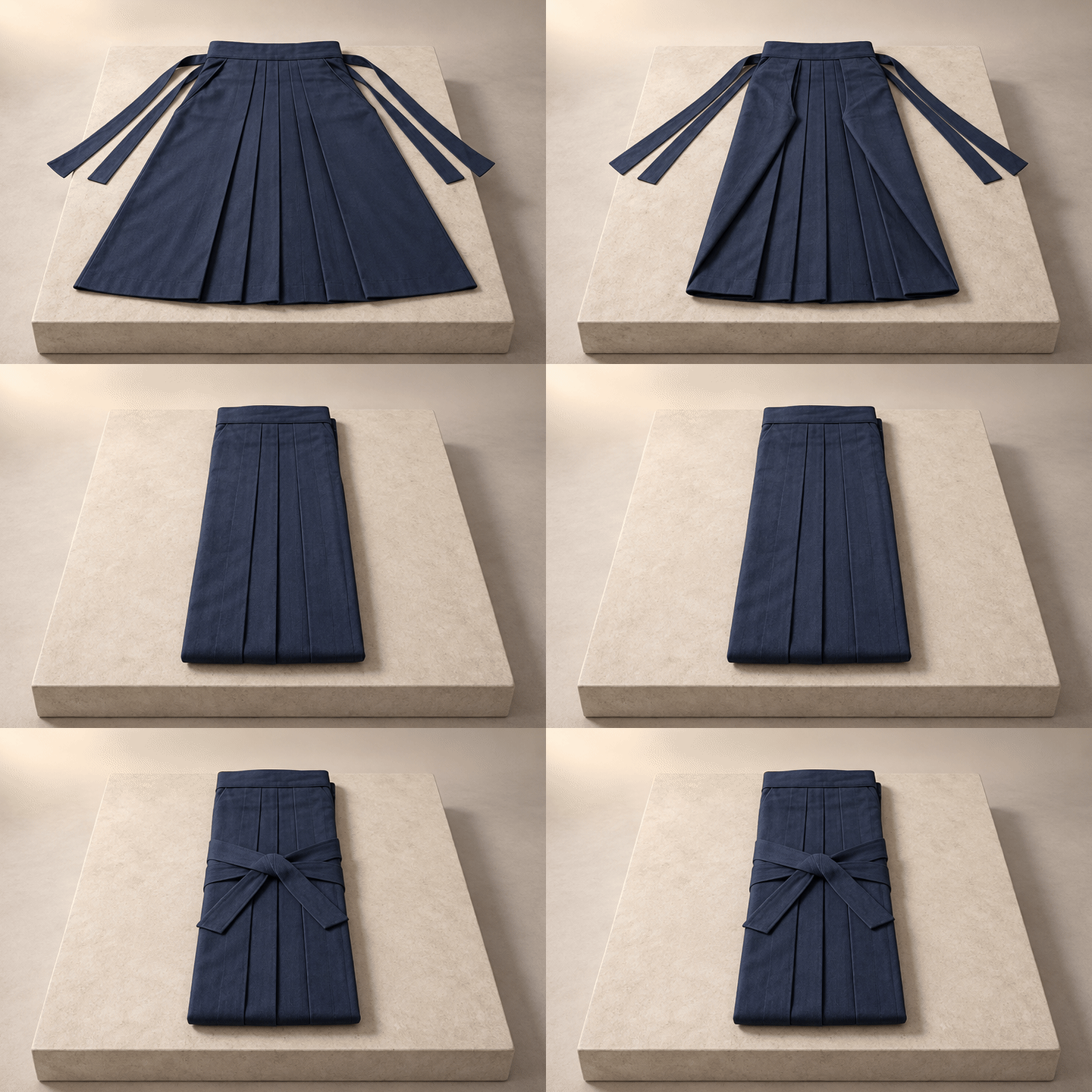
Aizome indigo cotton is commonly associated with traditional hakama. The deep blue color is achieved through a natural dyeing process using indigo, which gives the fabric its distinctive hue and depth. However, aizome indigo cotton is known to fade over time and can rub off, especially when new. This can lead to staining on a white keikogi, the cotton jacket worn with the hakama. To minimize staining, it's important to follow the care label instructions, which often recommend washing the hakama separately and avoiding contact with light-colored clothing until the dye has fully set.
The fading of aizome indigo is a natural process that many practitioners appreciate as it adds character and a sense of history to the garment. However, if you prefer a hakama that maintains its color, you might consider other fabric options.

Which fabric suits practice, ceremony or daily wear
Choosing the right fabric for your hakama depends on how you plan to use it. For regular practice in martial arts like kendo or iaido, a tetron hakama is often the better choice. Tetron's lightweight and quick-drying properties make it comfortable for rigorous training sessions, and its durability means it can withstand frequent wear and tear. Additionally, tetron holds its pleats well, reducing the need for frequent folding.
For ceremonial occasions or formal events, a hakama in cotton is typically preferred. The heavier, softer fabric and traditional aesthetic of cotton make it well-suited for these settings. Cotton versions also come in various styles, including the wide-legged umanori and skirt-like andon, which can add a touch of elegance to your outfit.
For everyday wear, modern wide-leg hakama pants in cotton offer a balance of comfort and style. These casual, wide-leg trousers are designed for versatility and can be worn for a variety of activities, from casual outings to more formal events. The natural cotton fabric is breathable and comfortable, making it an excellent choice for those who want a hakama that can transition seamlessly from day to night.
Hakama fabrics compared
There are several fabric options available for hakama, each with its own set of benefits and drawbacks. Here's a brief comparison of four common types, described as general fabric behaviour across the market.
| Fabric type (general) | Typical feel | Pleats | Care |
|---|---|---|---|
| Cotton (black or navy) | Heavier, soft drape | Need folding after wear | Slower to dry, may shrink a little |
| Aizome indigo cotton | Heavy, traditional look | Need careful folding | Fades and can rub dye at first |
| Tetron (polyester blend) | Lighter, smooth | Hold well with little work | Quick to dry, easy care |
| Light polyester blends | Lightest, can be sheer | Hold well | Easy care, good for travel |
The table describes general fabric behaviour across the market. It does not state the fabric, measurements or origin of any Hakama Pant design: check each product page for its stated details.
Caring for cotton and indigo hakama
Proper care is essential to extend the life and maintain the appearance of a hakama in cotton. After each wear, it's important to fold the pleats carefully to keep them sharp and neat. For aizome indigo hakama, it's crucial to follow the care label instructions, which often recommend hand washing or gentle machine washing with cold water and a mild detergent. Always refer to the garment's own care label for specific instructions.
To prevent fading and staining, avoid exposing the hakama to direct sunlight for extended periods and hang it to dry in a shaded area. If the hakama becomes soiled, spot clean the affected areas rather than washing the entire garment. Regular maintenance and proper care will help your hakama remain a beautiful and functional part of your wardrobe for years to come.

Hakama Pant designs in traditional and casual styles
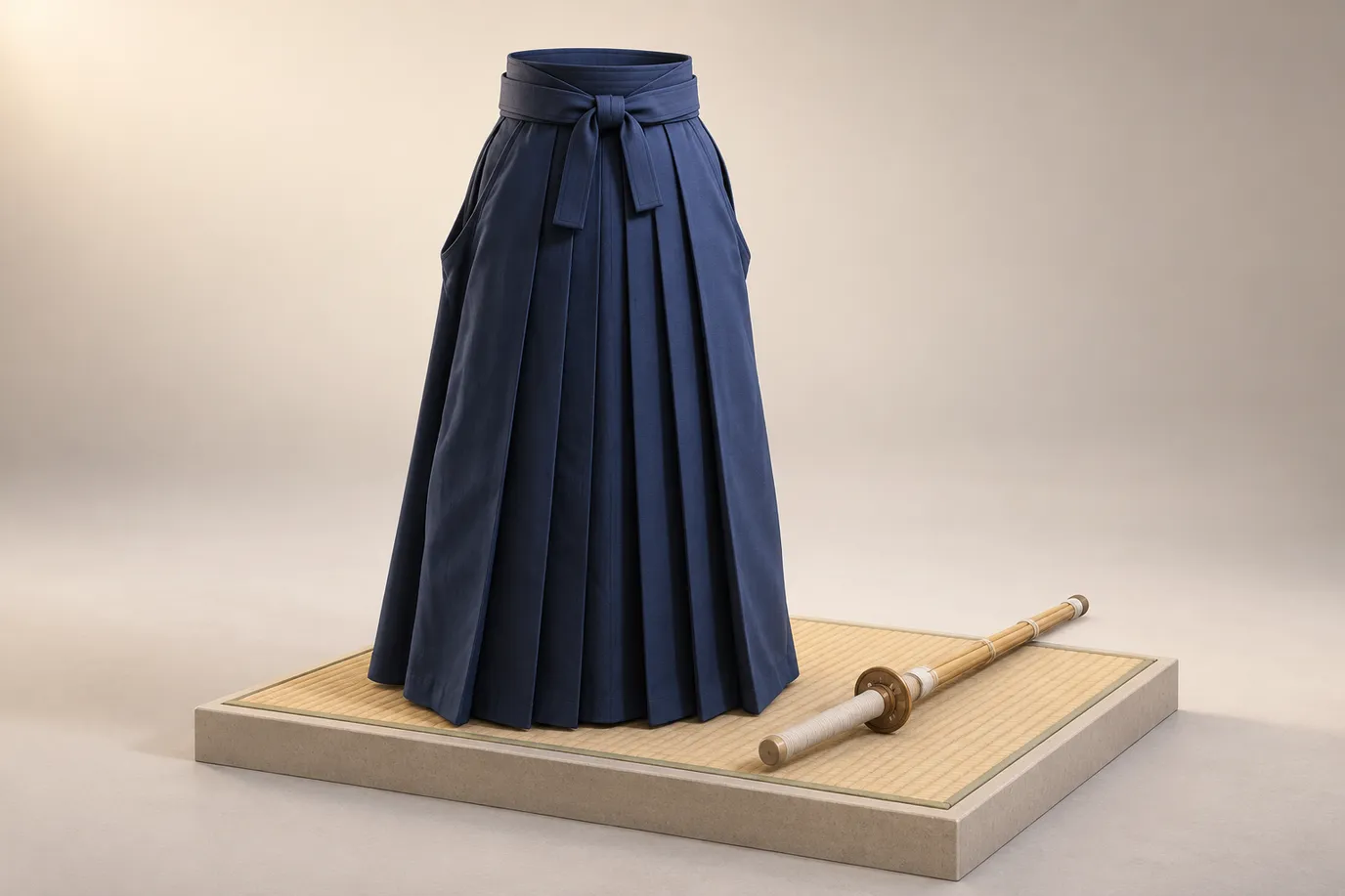
The Aizome Cotton Traditional Hakama features a deep indigo color with tonal depth and precise pleats. This traditional-style wide hakama is listed in sizes S to XXL. The words "cotton" and "aizome" in the name are design names, and readers should refer to the product page for specific details before choosing.
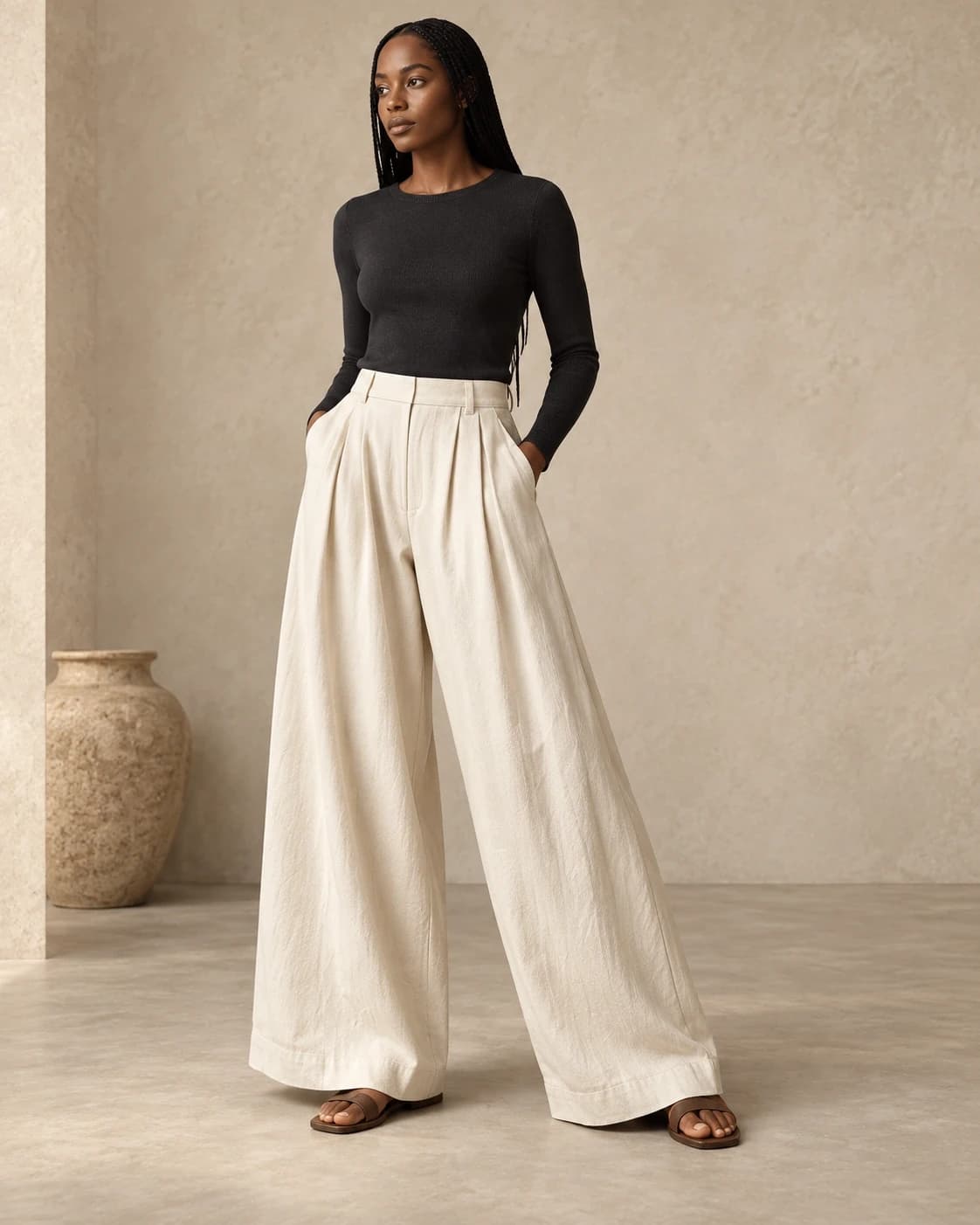
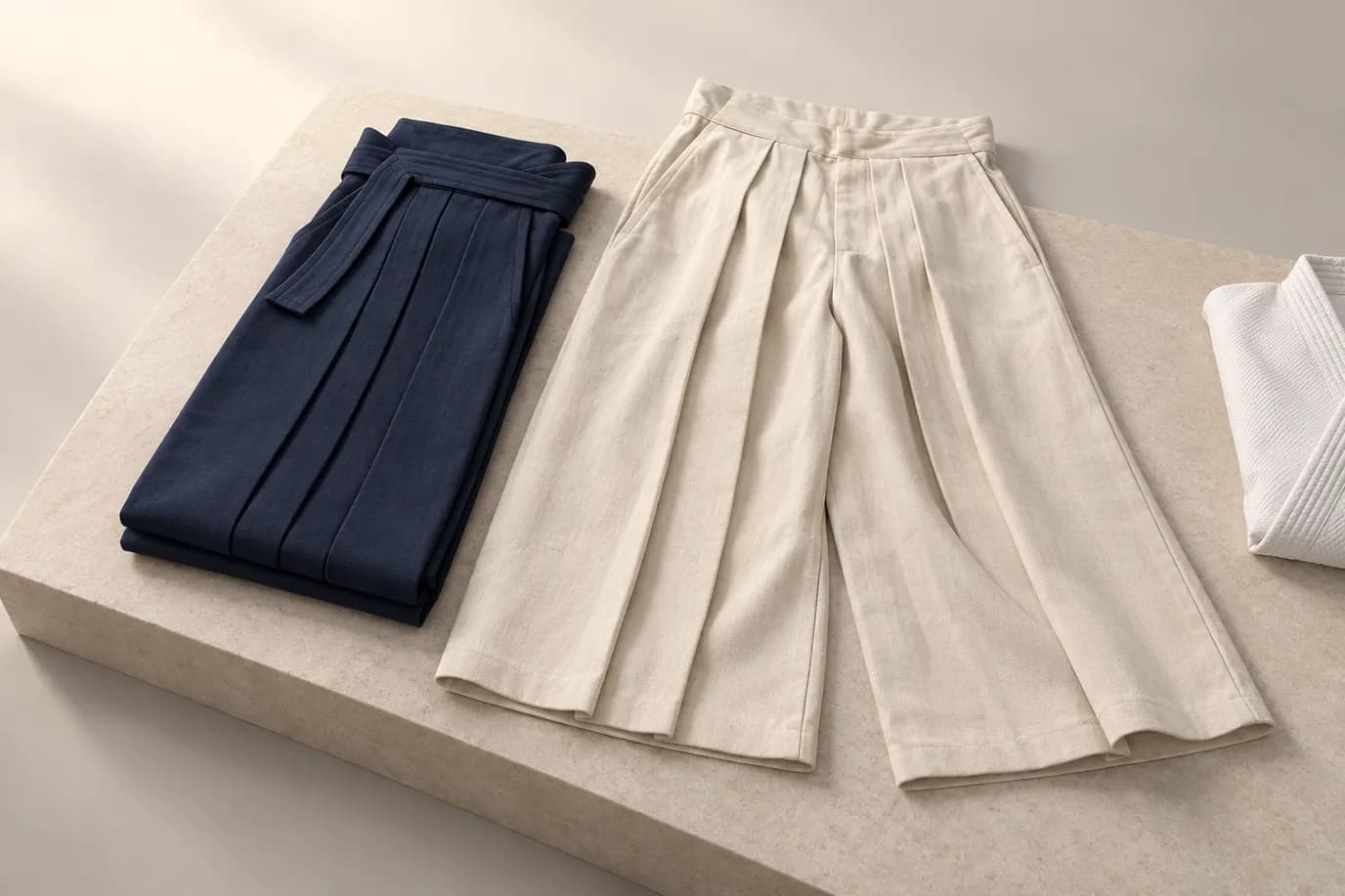
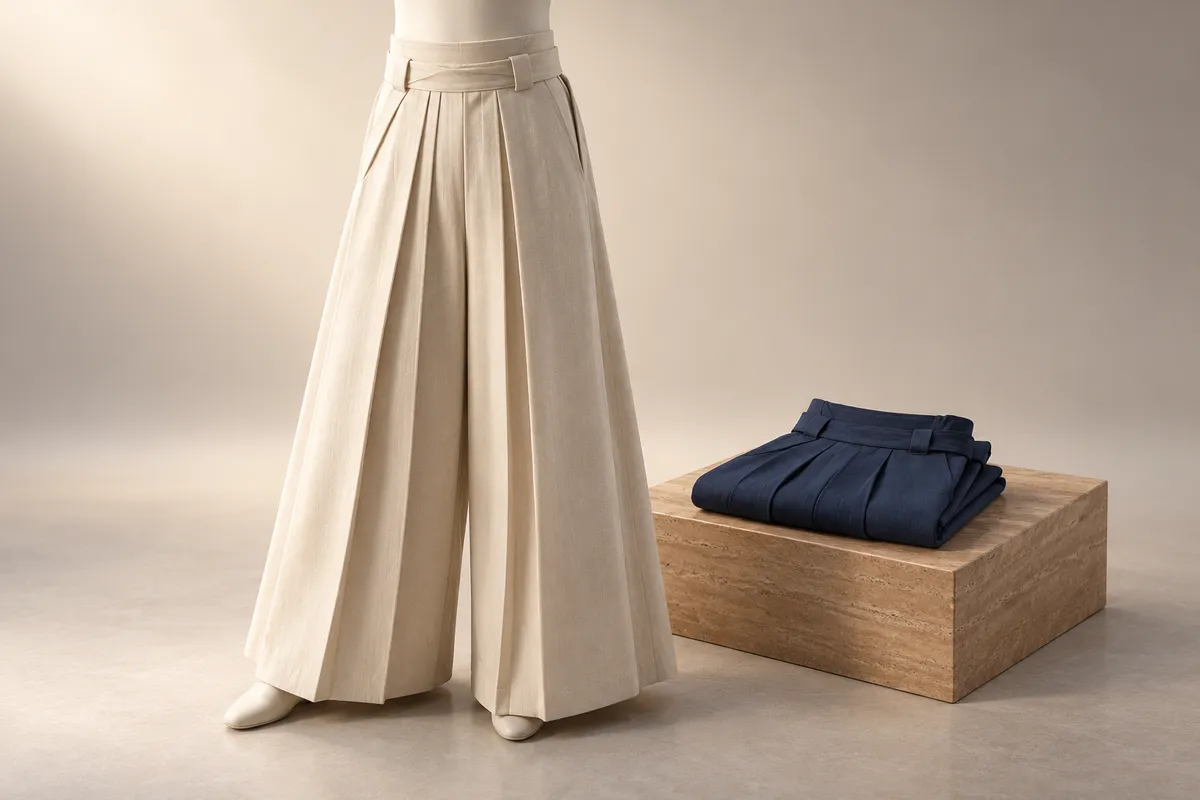
The Modern Cotton Hakama Pants come in a natural ecru color and have a casual, wide-leg pleated design with a soft waist and quiet minimal details. These trousers are listed in sizes S to XXL. The word "cotton" in the name is a design name, and readers should refer to the product page for specific details before choosing.
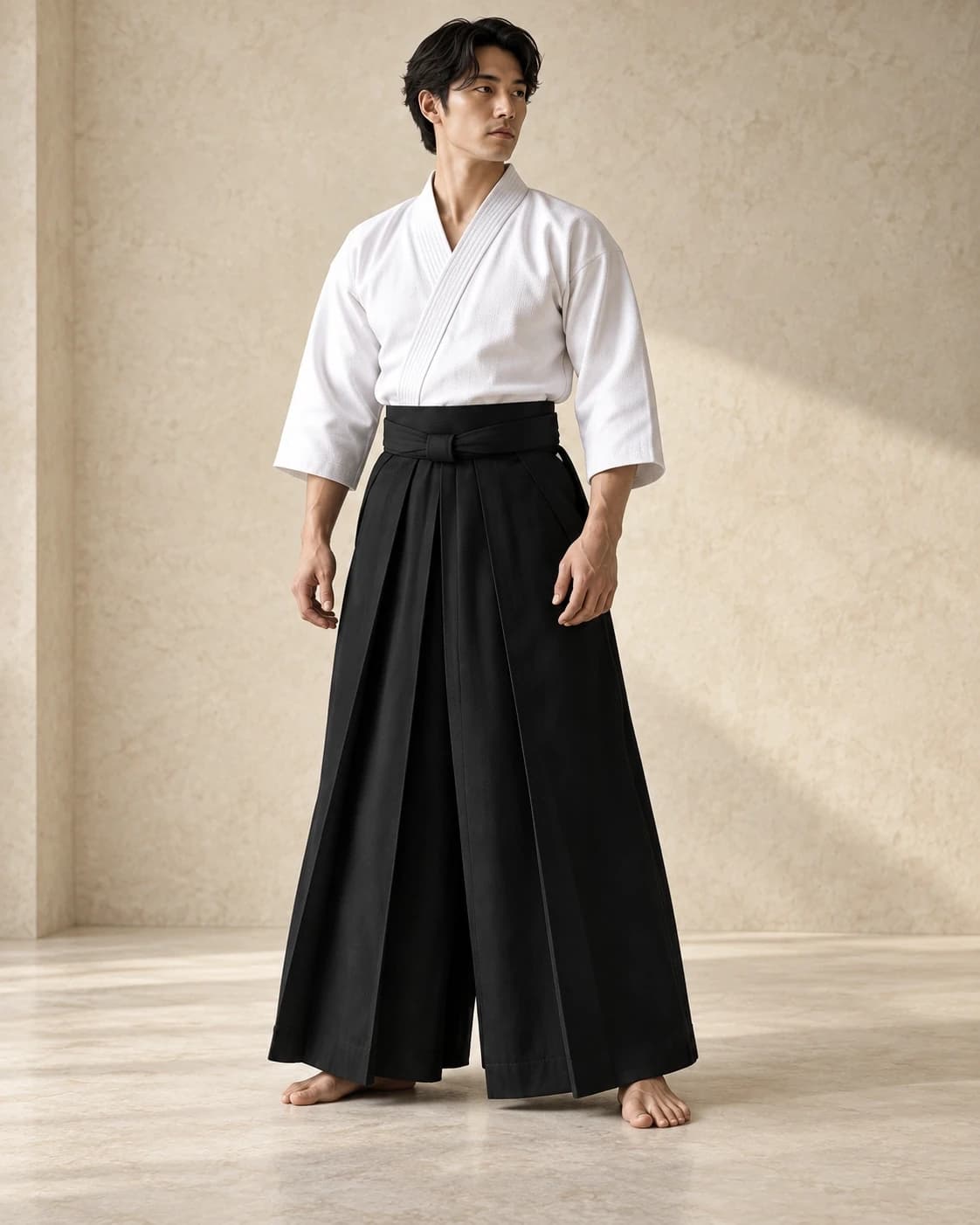
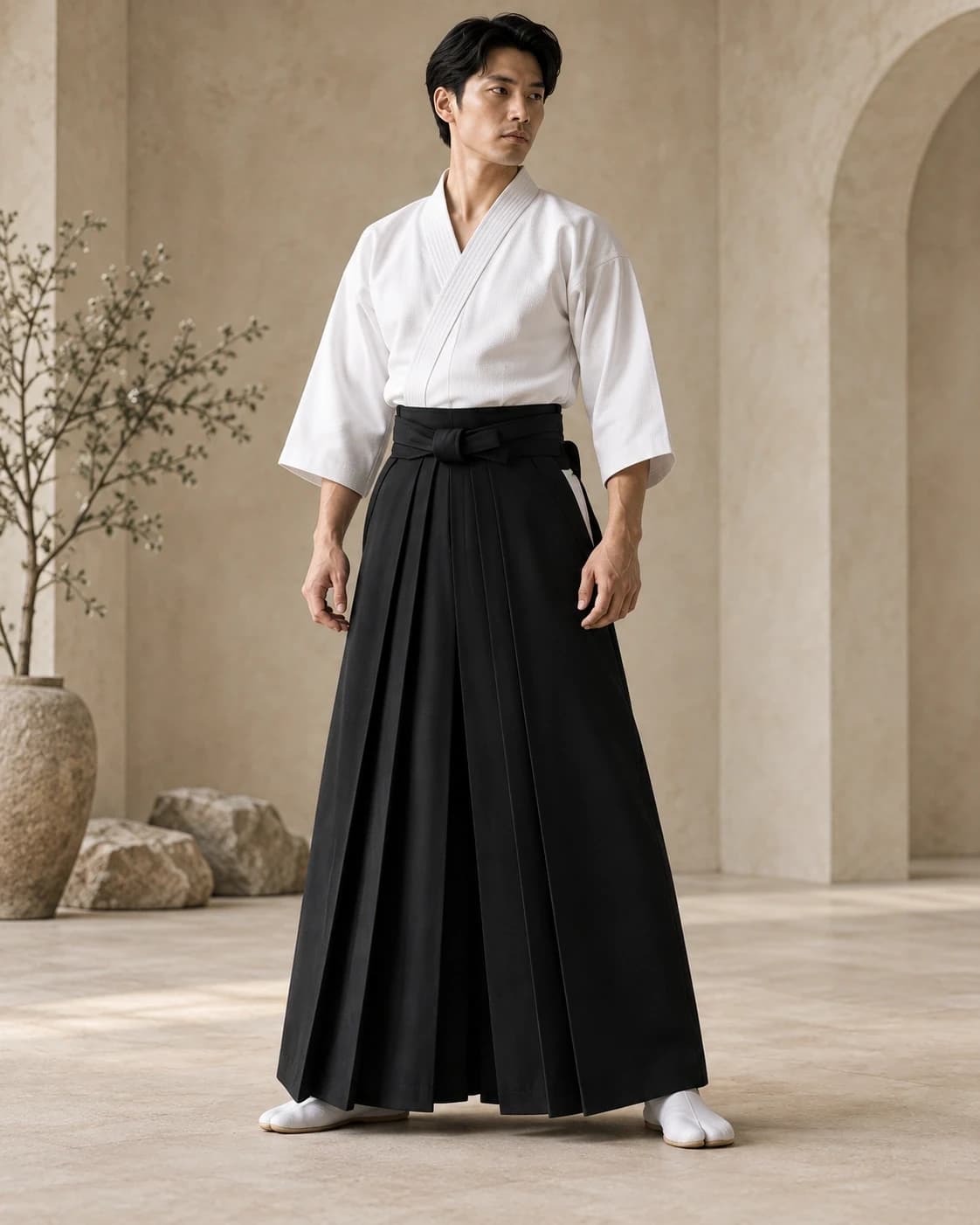
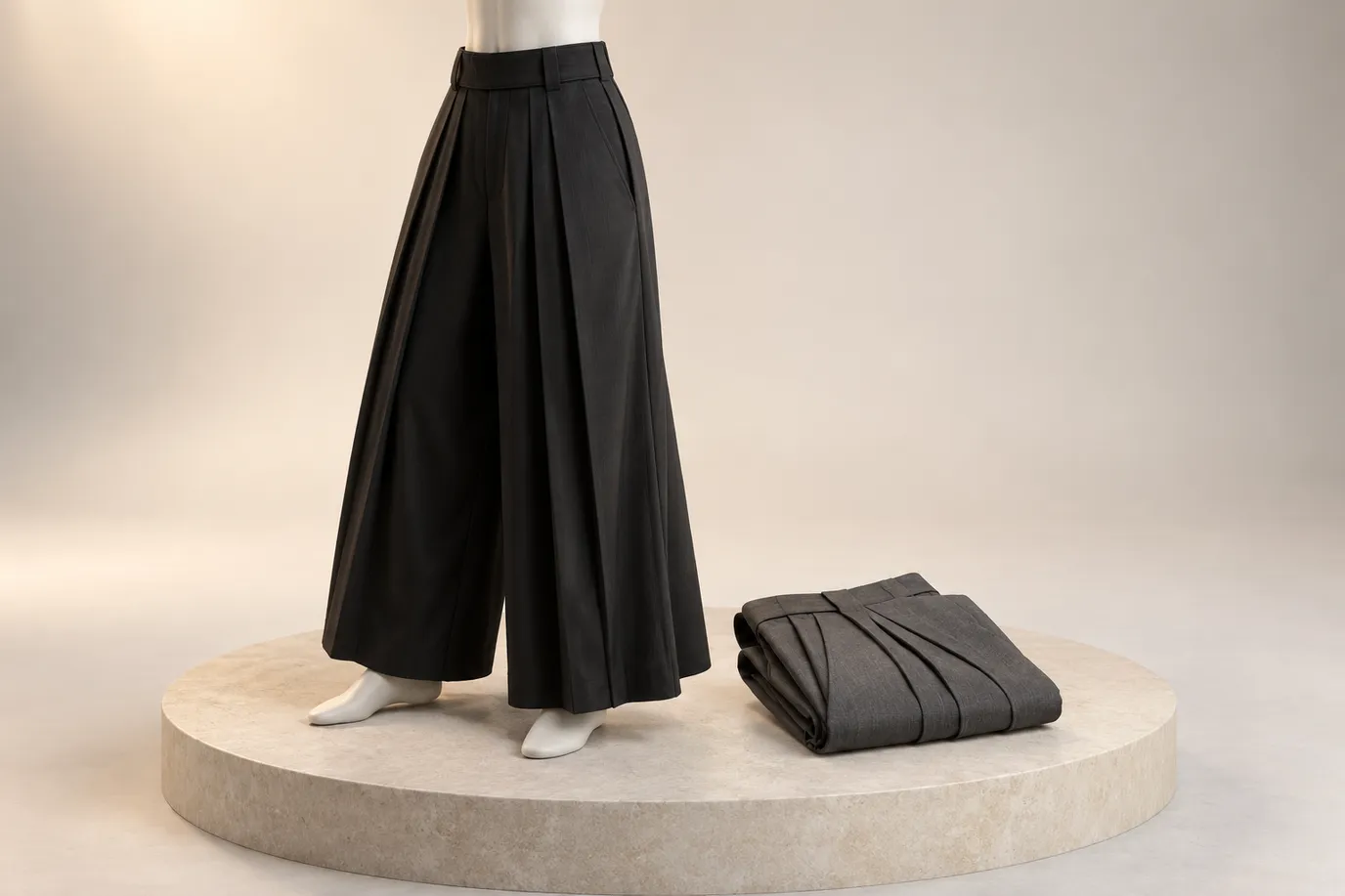
The Basic Tetron Japanese Hakama is black and features a traditional practice-oriented divided-leg design with crisp multiple pleats and a tie waist. It is listed in sizes S to XXL. The word "tetron" in the name is a design name, and readers should refer to the product page for specific details before choosing.
Whether you're looking for a traditional or modern hakama pant, there is a design that will meet your needs. Be sure to check the product page for specific details on the fabric and care instructions to ensure you make the right choice for your lifestyle.
Frequently Asked Questions
What fabric is best for hakama pants?
The best fabric for hakama pants depends on your intended use. For regular practice, tetron is generally more practical due to its lightweight, quick-drying properties, and minimal maintenance. For ceremonial or formal wear, cotton is preferred for its heavier, softer feel and traditional aesthetic. For everyday wear, modern hakama pants in cotton offer a balance of comfort and style.
What material is hakama made of?
Hakama can be made from a variety of materials, including cotton, tetron (a polyester blend), and light polyester blends. Each material has its own benefits and drawbacks in terms of comfort, durability, and maintenance. Cotton is a natural fabric known for its softness and breathability, while tetron is a synthetic blend that is lightweight and quick-drying.
What are the different types of hakama?
There are several types of hakama, each designed for different purposes. Traditional hakama, such as those used in martial arts like kendo and iaido, often have divided legs and multiple pleats. Umanori hakama have a divided-leg design and are commonly worn for riding, while andon hakama have a skirt-like appearance and are suitable for formal occasions. Modern hakama pants are more casual and designed for everyday wear, featuring a wide-leg, pleated design.
Is it okay to wear hakama?
Yes, it is okay to wear hakama, and it is a popular choice for both traditional and modern settings. Hakama are traditionally worn in martial arts, formal events, and as part of traditional Japanese clothing. In recent years, they have also gained popularity as a fashionable and versatile garment for everyday wear. Whether you are practicing a martial art, attending a formal event, or simply looking for a unique and comfortable piece of clothing, a hakama can be a great addition to your wardrobe.
Conclusion
Choosing the right fabric for your hakama depends on your specific needs and preferences. For regular practice, tetron offers practical benefits like lightweight comfort and minimal maintenance. For formal or daily wear, cotton provides a traditional and elegant look, though it requires more care. By considering the intended use and following proper care instructions, you can find a hakama that fits your lifestyle and enhances your experience.