A kendo hakama is a pleated, divided-leg hakama worn with a kendogi, most often in indigo. When choosing one, decide between an easy-care synthetic blend and traditional cotton, check the length your club expects (commonly around the ankle bone), and confirm colour rules for gradings with your instructor before you buy.
Key Takeaways
- Indigo is the usual colour: Indigo is the most common colour for a hakama for kendo, but white is also used in some schools.
- Tetron is a polyester blend: Tetron is lightweight, holds pleats, and dries quickly, making it suitable for frequent training.
- Cotton is heavier and needs more care: Cotton hakama are heavier, have a softer drape, and require more maintenance.
- Length is judged standing: The front hem commonly sits around the ankle bone, with the back slightly higher.
- The same garment is used in kendo and iaido: Some differences in conventions exist, but the basic design is the same.
- Fold along the pleats after every session: Proper folding helps maintain the pleats and extends the life of the hakama.
What a kendo hakama is
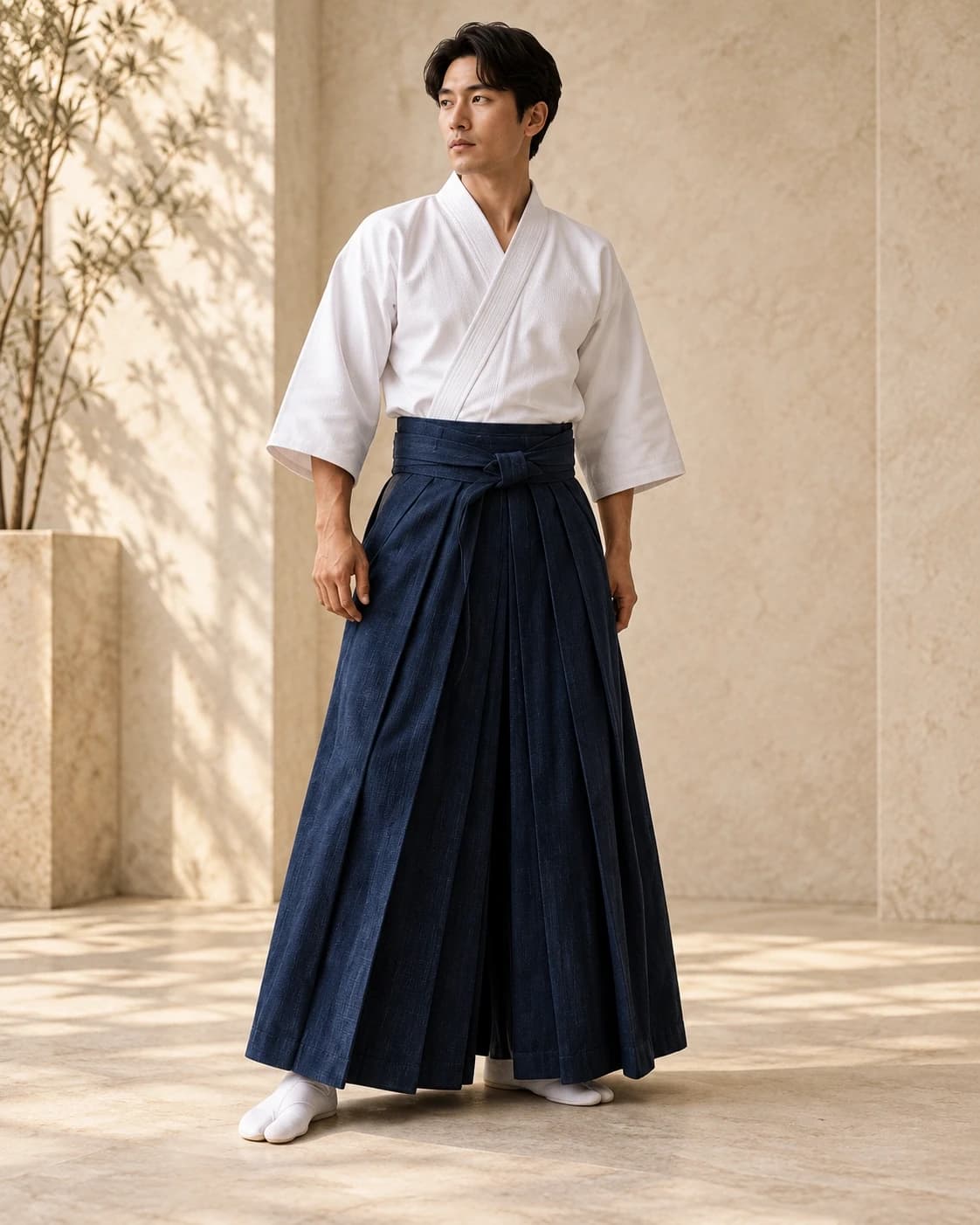
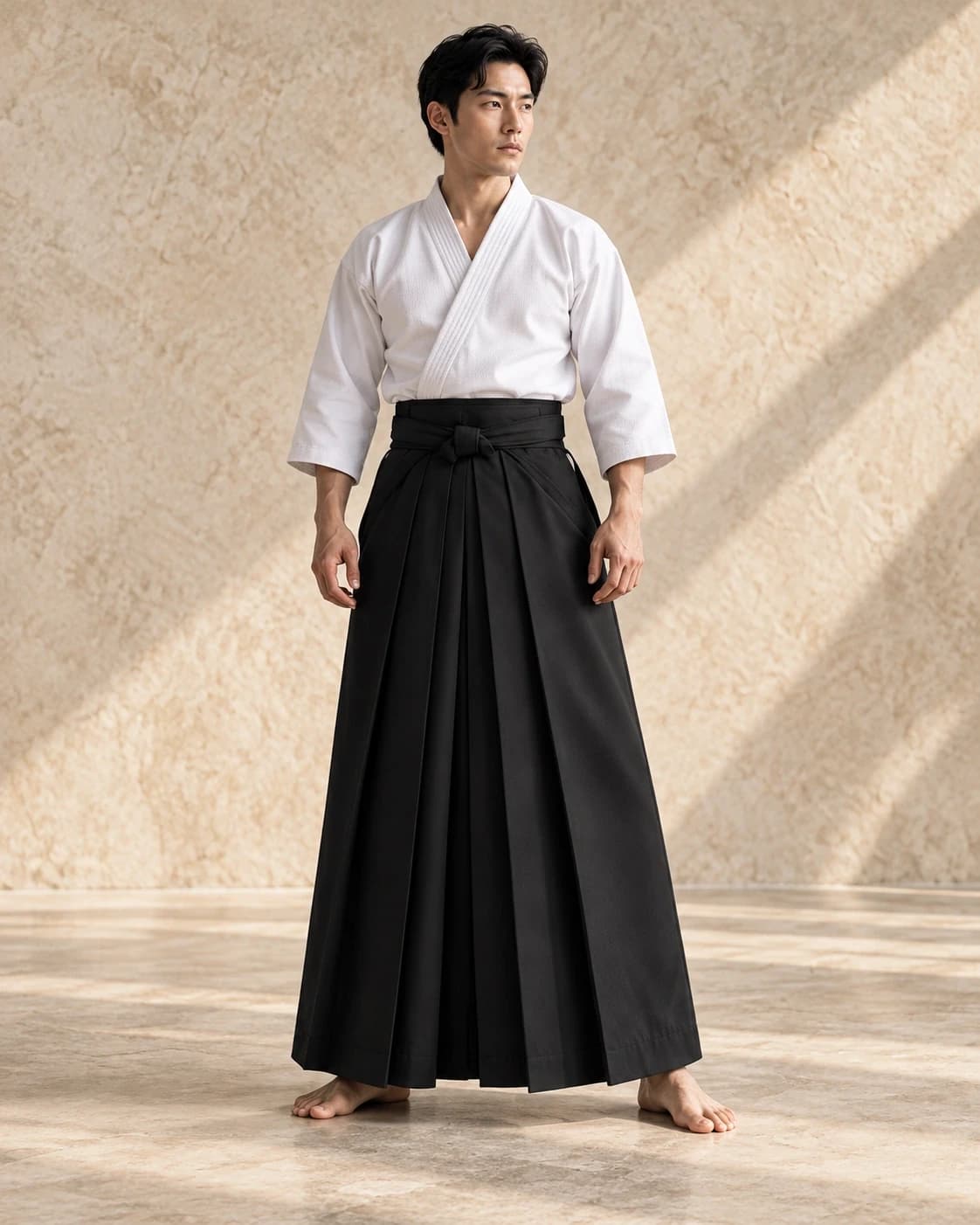
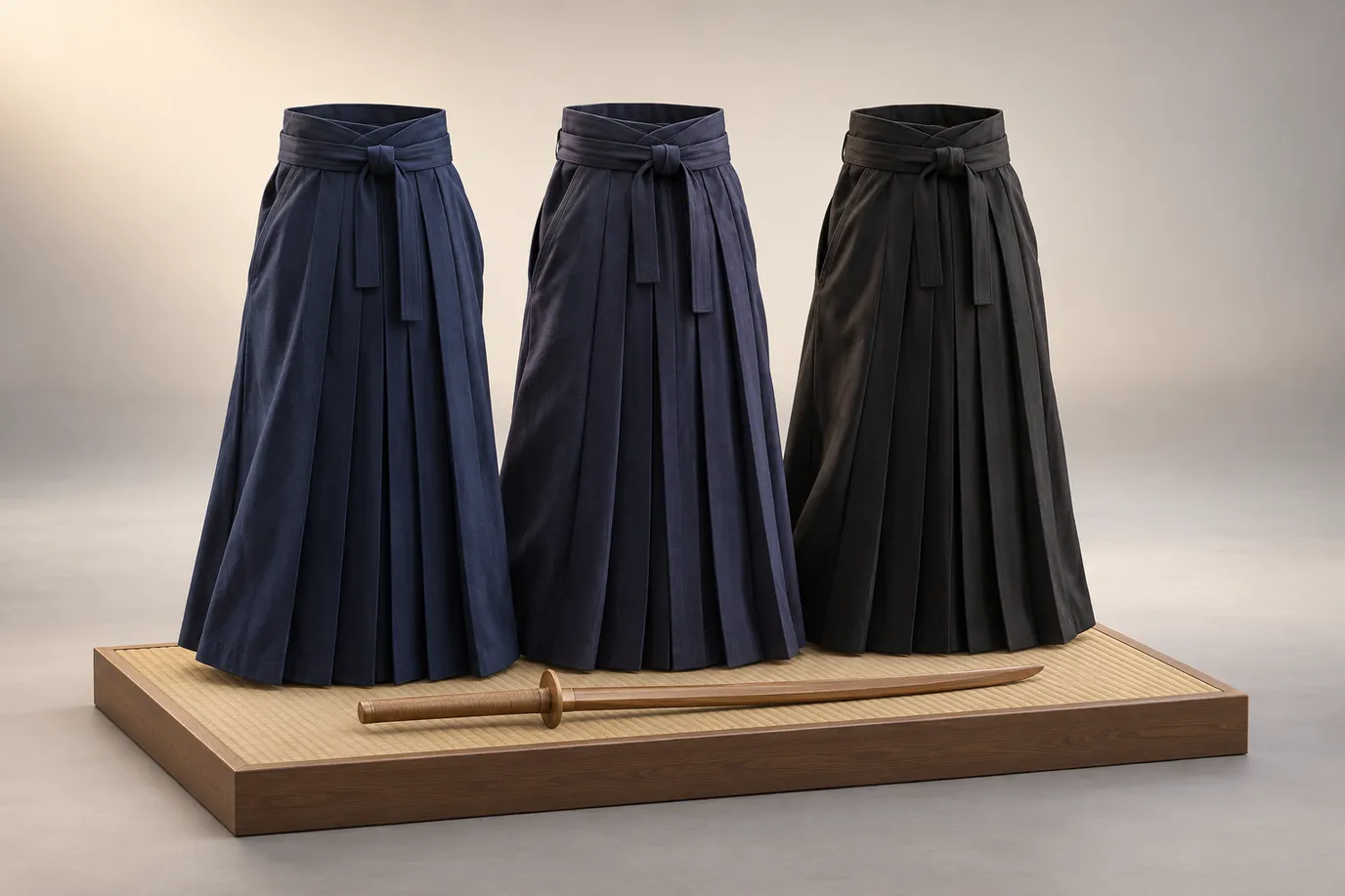
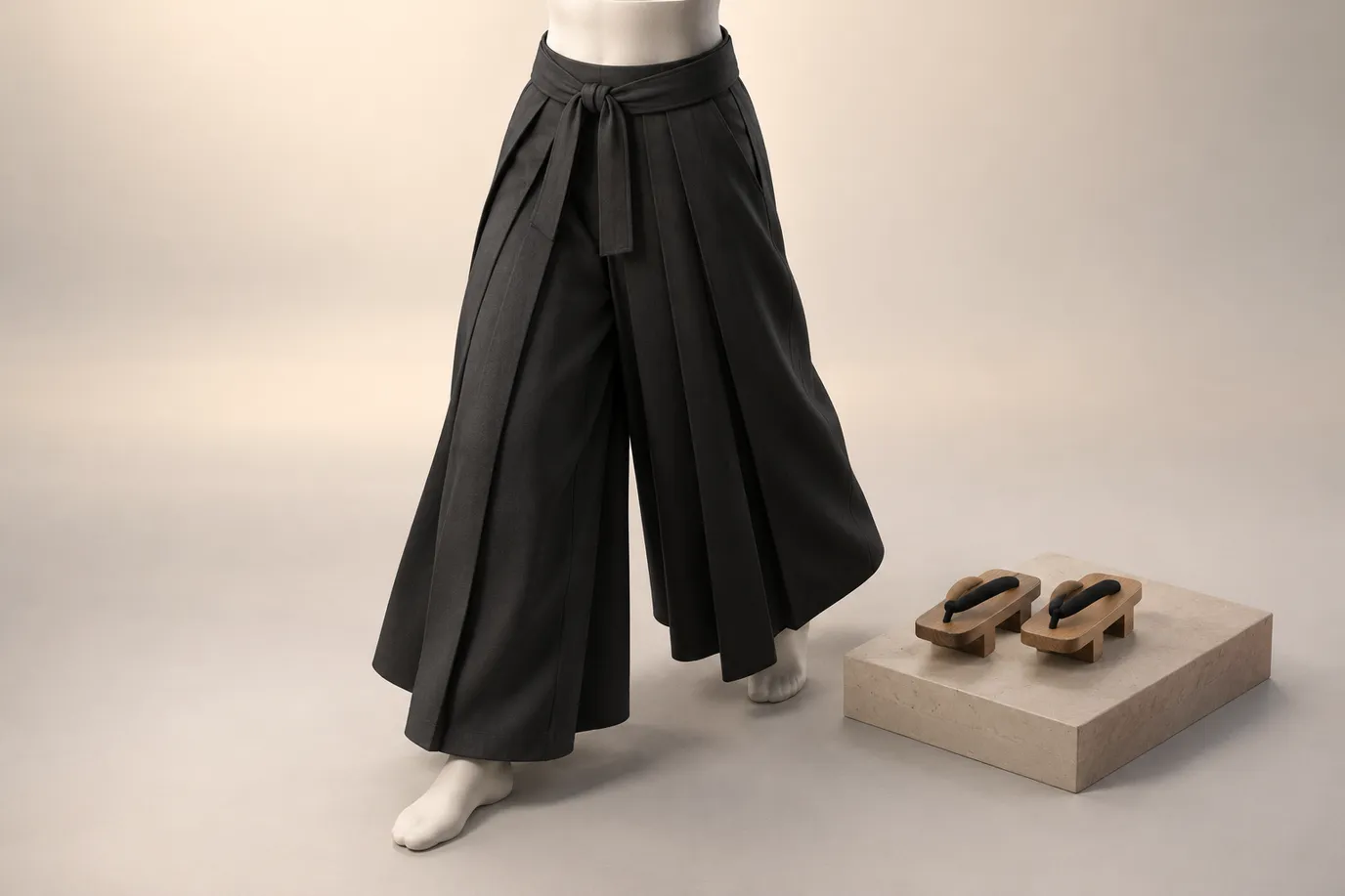
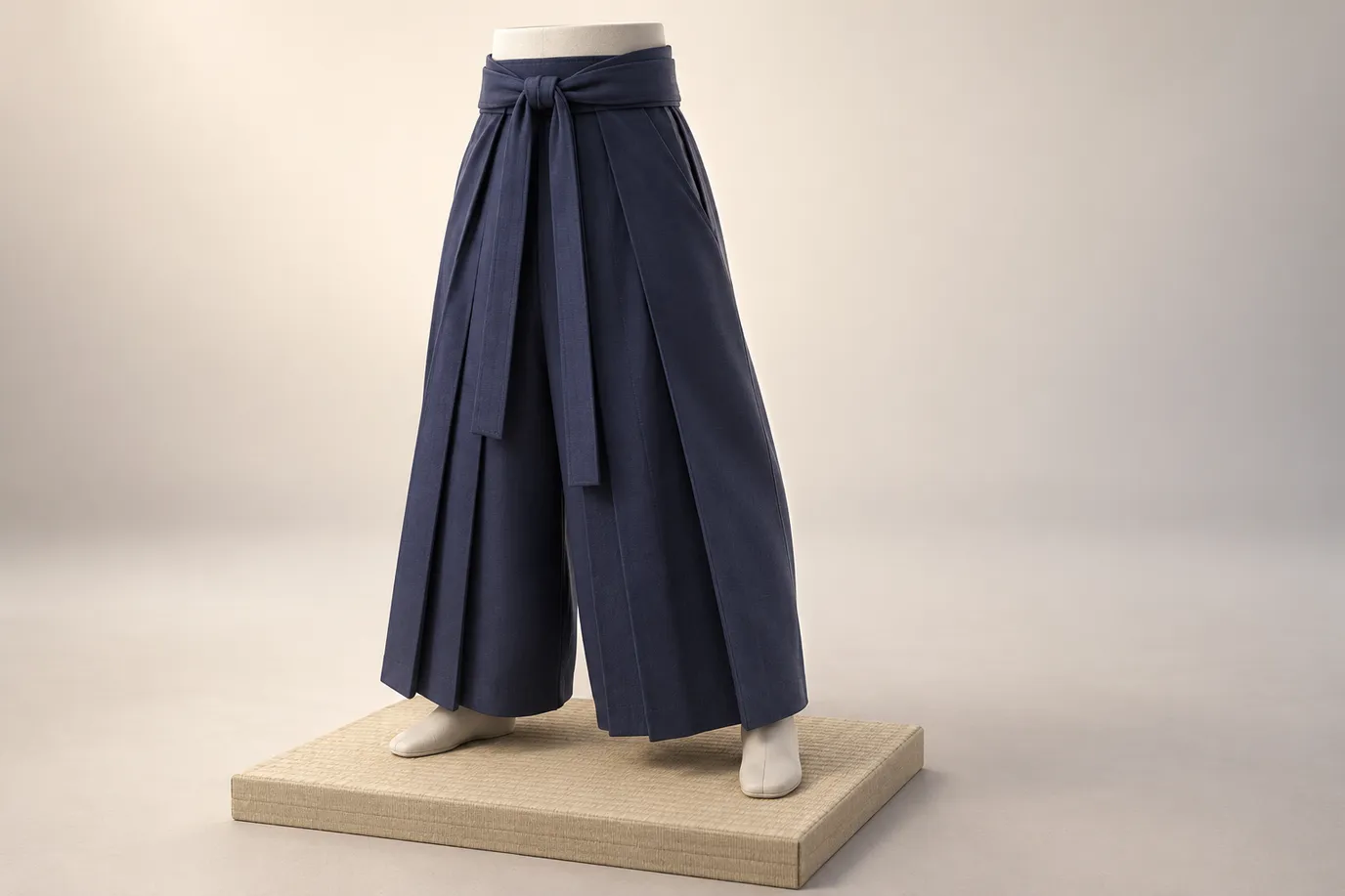
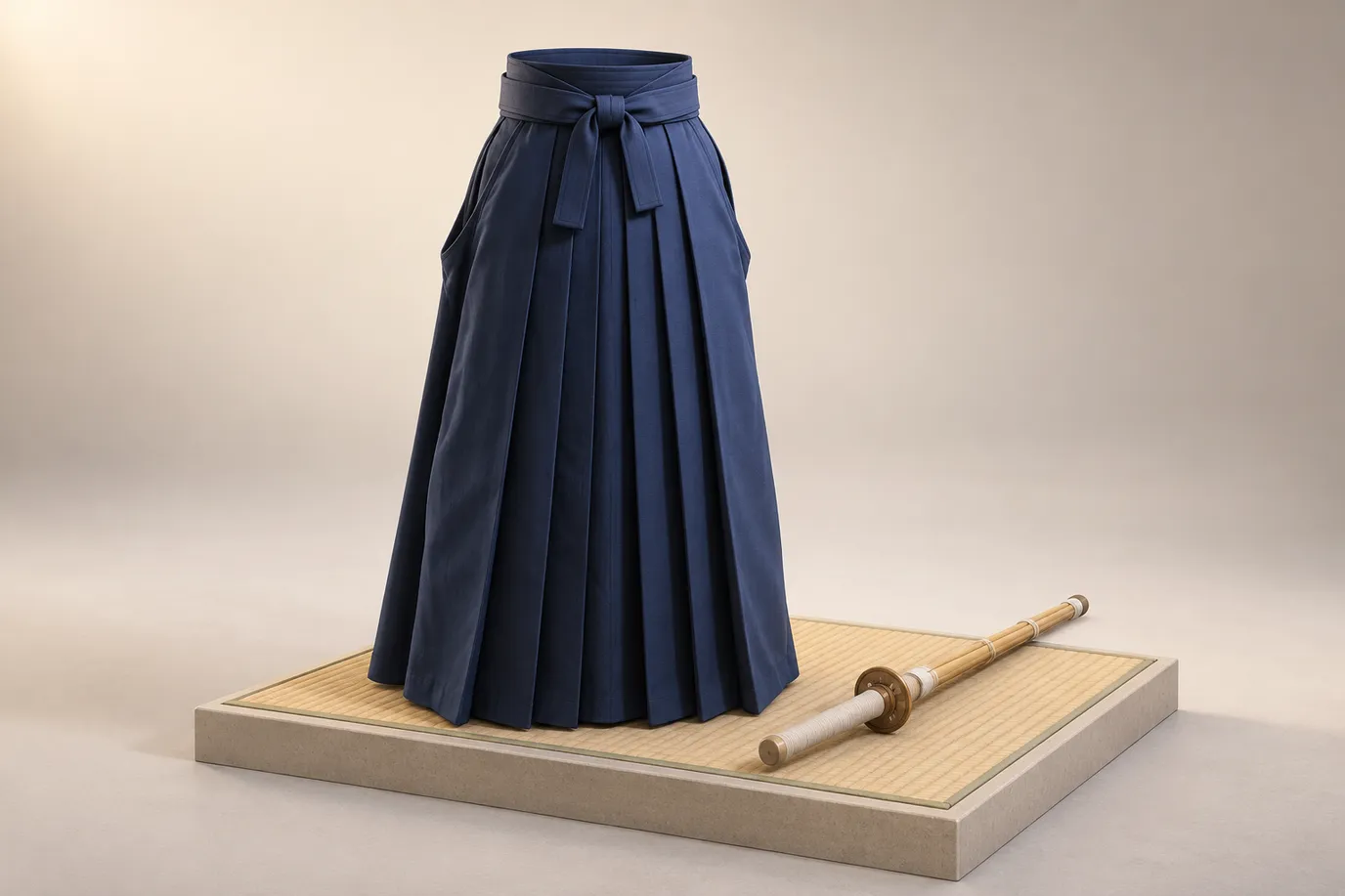
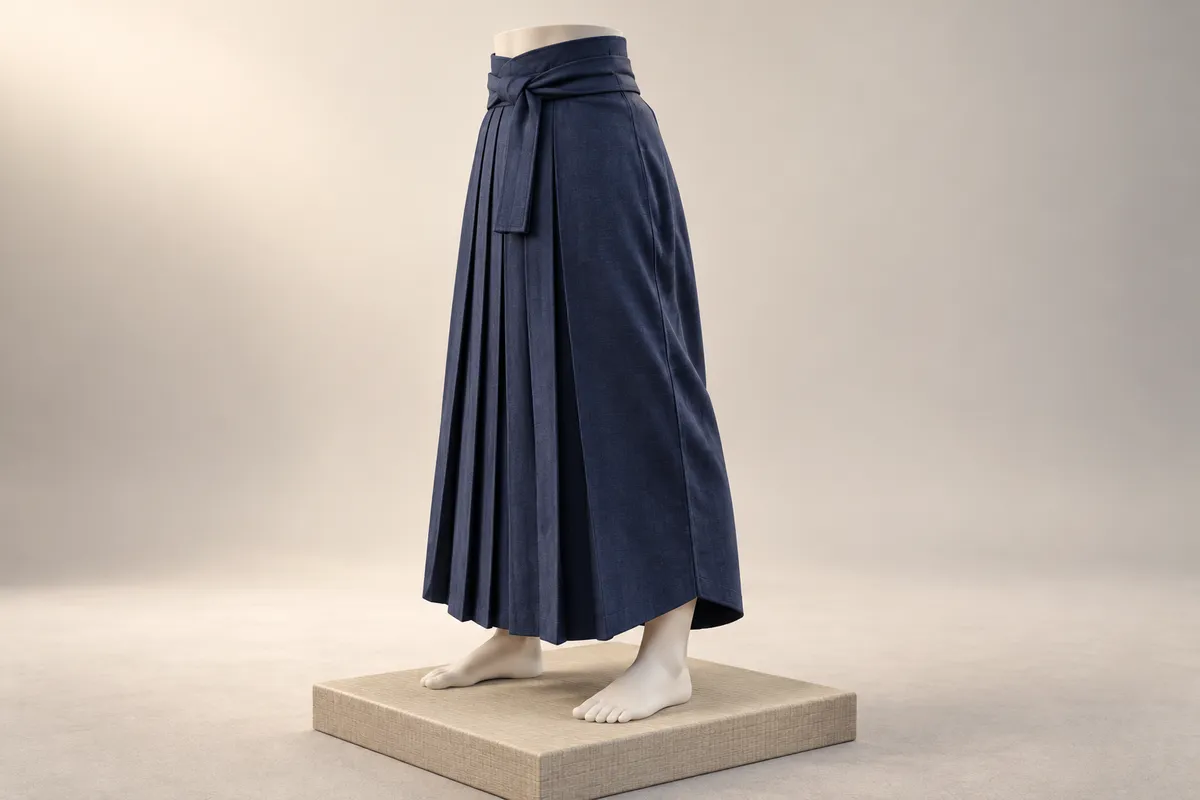
A hakama for kendo is a traditional Japanese garment worn during kendo practice and competitions. It is a pair of wide, pleated trousers cut for free movement of the legs. The hakama has a divided umanori form, commonly with five pleats at the front and two at the back. It features himo (waist ties), a koshiita (stiff board at the back waist), and side openings. The hakama is worn over the kendogi, and the tare (waist protector of the armour) is tied over it. Hakama Pant lists a Kendo / Iaido Tetron Hakama in black, a practice-oriented wide design with straight pleats, a tie waist, and an uncluttered surface, available in sizes S to XXL.
The hakama is plain on purpose, with no decoration. Some clubs let beginners train in ordinary sportswear for the first weeks and ask for a jacket and hakama later, so ask before buying. The stiff koshiita helps the back stay upright in posture. The side openings let the jacket show at the hips.
Colour: why indigo is the usual choice
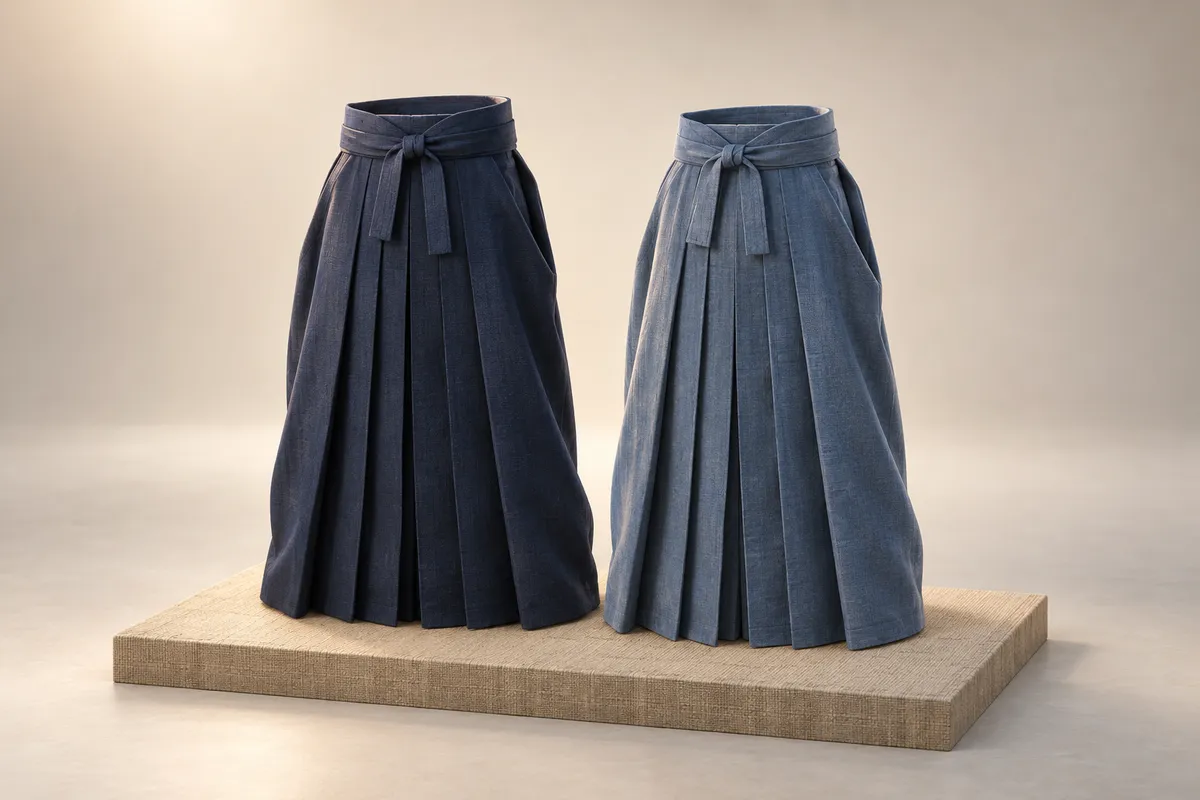
Indigo-dyed cotton has long been the common cloth for kendo clothing, so indigo (often simply called navy or blue when the fabric is synthetic) is what most clubs wear. White is seen in some clubs, often worn by women or children depending on the club. Matching the kendogi is the usual practice, but grading and competition expectations vary, so it's important to ask. The store lists an Aizome Cotton Traditional Hakama in indigo, a traditional-style wide design with tonal indigo depth and precise pleats. A fabric name in a product title does not confirm composition, so read the product page.
Indigo-dyed cotton fades with washing and wear, which practitioners generally accept as normal. New indigo can rub off on skin and on light surfaces at first. A synthetic navy keeps its colour. A faded hakama next to a new jacket looks mismatched, so some people buy both together.
Fabric types in general: tetron, cotton, and aizome
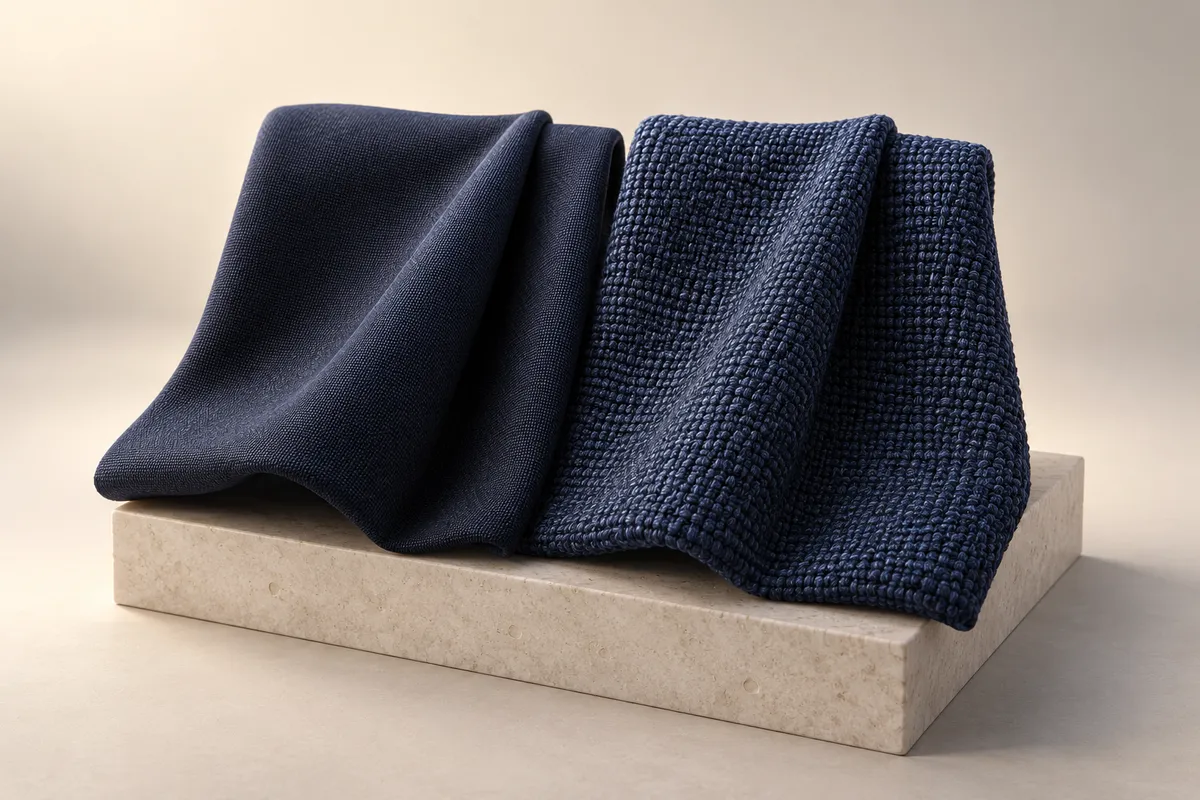
| Fabric type (general term) | How it generally behaves | Care in general | Often chosen by |
|---|---|---|---|
| Tetron (trade name for a polyester blend) | Light, holds pleats, dries quickly | Usually the easiest to wash | Beginners, frequent training |
| Cotton | Heavier with a softer drape | Needs more care; pleats need attention | Students who prefer a traditional feel |
| Aizome (indigo-dyed cotton) | Colour is deep at first and fades with wear | Wash separately; dye can transfer early on | Experienced practitioners |
Tetron is a lightweight, polyester-blend fabric that is durable and easy to maintain. It holds its pleats well and dries quickly, making it a popular choice for beginners and those who train frequently. The ease of care and durability of tetron make it a practical option for those who need a hakama that can withstand regular use.
Cotton hakama are heavier and have a softer drape compared to tetron. They offer a more traditional feel and are often preferred by practitioners who like the feel of a natural fibre. However, cotton hakama require more care, and the pleats may need regular attention to maintain their shape. This fabric is a good choice for students who want a more traditional experience.
Aizome refers to hakama made from indigo-dyed cotton. The deep indigo colour is striking and fades naturally over time, adding a unique character to the garment. Aizome hakama are often chosen by experienced practitioners who appreciate the traditional aesthetics and the way the dye develops over use. However, they require special care, as the dye can transfer early on, and they should be washed separately. Pleat count or weight grades advertised by makers are their own specifications and not a rule.
When choosing the fabric, think about how often you train and how you wash. A polyester blend suits frequent training and quick drying. Cotton suits someone who accepts more care for a heavier drape. Many beginners start with a synthetic blend and move to cotton later, though clubs differ. A fabric name in a product title is a name, so read the product page.
Length and fit: how it is judged
The length and fit of a hakama for kendo are crucial for both comfort and adherence to club standards. Length is judged while standing in the hakama tied at the waist. The front hem commonly sits around the ankle bone, and the back hem is slightly higher because the koshiita lifts the back. If the hakama is too long, it can catch the feet during footwork, and if it's too short, it can look unfinished. Hakama are sized by length, and the waist is adjusted by the ties. Measure as the site's size guide shows and compare with the listed sizes on the product page.
To check the length at home, put it on over the jacket and tie it at the waist as you would for practice. Stand straight, barefoot, and look in a mirror from the side. The hem should clear the floor so the feet move freely. The ties adjust the waist, not the length. If two listed sizes seem possible, ask a senior at the club which way they would go.
Kendo hakama and iaido hakama: the same garment?
In general, the same divided hakama is used for both kendo and iaido, which is why some designs are named for both. Differences are conventions: iaido groups often prefer black or navy and may expect a matching jacket, and the obi is worn under the hakama to carry the scabbard. Kendo clubs mostly wear indigo. The store also lists a Traditional Black Tetron Hakama, a traditional-style broad divided-leg design with tightly ordered pleats.
For the wider picture, the guide that compares aikido, kendo and iaido dress sets the three arts side by side.
What to confirm with your club before buying
Before purchasing a hakama for kendo, there are a few key points to confirm with your club or instructor:
- Colour for daily practice and for gradings: Ensure that the club allows the colour you intend to buy. Indigo is the most common, but some schools may have specific requirements.
- Whether jacket and hakama should match: Some clubs may require matching colours, while others are more flexible.
- Expected hem height: Confirm the expected length of the hakama. The standard is usually around the ankle bone, but this can vary.
- Fabric preference for beginners: Some clubs may recommend a specific fabric type for beginners.
- Whether name embroidery is expected or allowed: Some clubs may have rules about personalization.
Settle the club's rules first, then the fabric type, then the length, and only then compare designs. Ordering before asking is the usual cause of a wrong colour or length.
Looking after the pleats
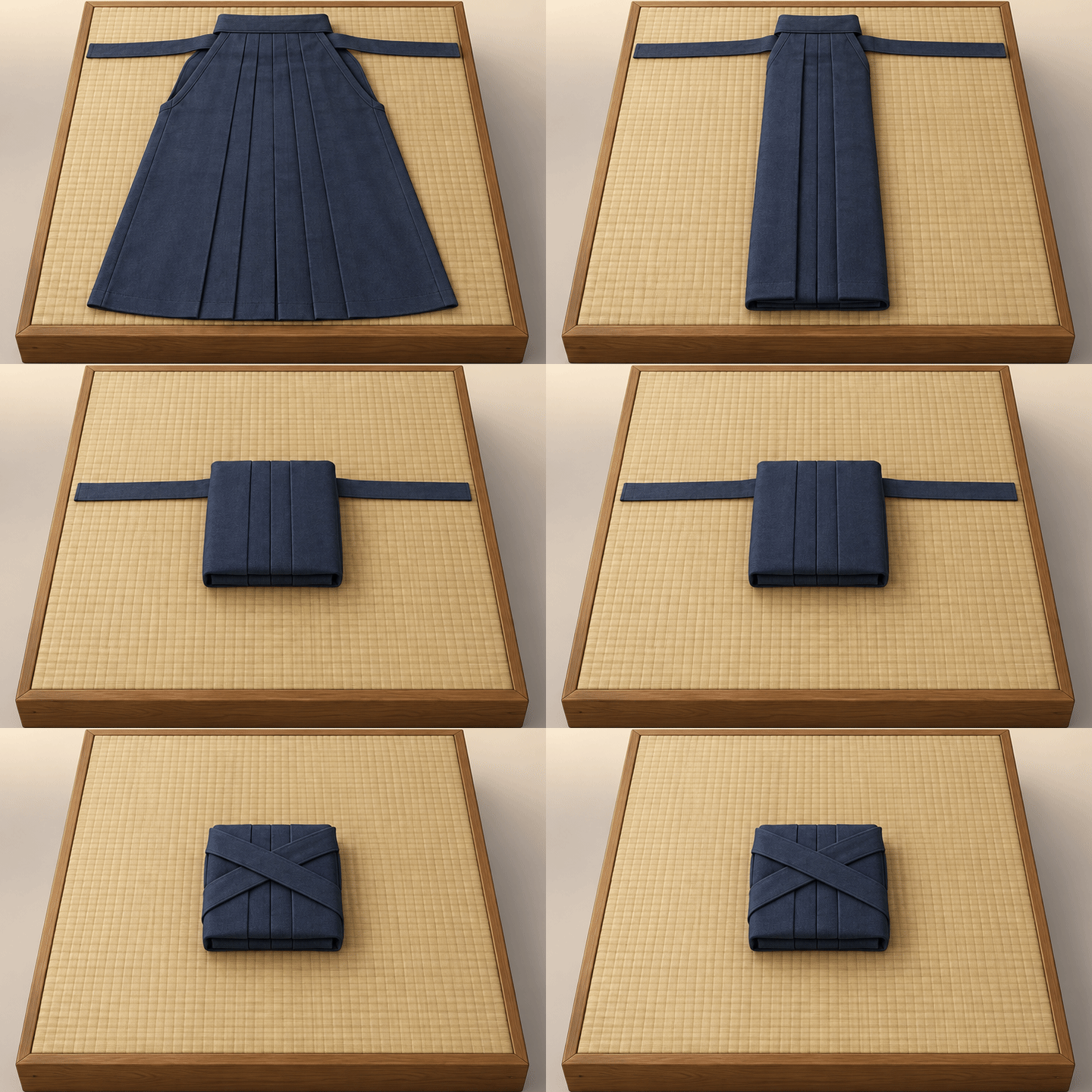
Maintaining the pleats of your hakama for kendo is essential for both appearance and functionality. Fold after every session along the existing pleats. Lay it flat, straighten the back pleats, then the front pleats, fold the sides in, fold the length in thirds, and fold the ties flat on top. Hang it to air before folding if it is damp. Indigo-dyed cotton can transfer colour while new, so wash it separately. Follow the garment's own care label.
After washing, smooth the pleats by hand while the cloth is still damp and hang it to dry in the shade. A hakama folded along its pleats after every session needs far less pressing. For washing, temperature and pressing follow the garment's own care label and the store's care guide.
Frequently Asked Questions
How to put on kendo hakama?
To put on the hakama, start with the front ties. Hold the front panel at the waist over the jacket. Take the long front ties to the back, cross them, bring them forward, cross them low, and tie them behind. Next, seat the koshiita on the small of the back. Bring the back ties forward and knot them at the front. Clubs teach their own knots, so copy a senior.
How to fold kendo hakama?
To fold the hakama, lay it flat with the back facing up. Straighten the two back pleats. Turn it over and straighten the front pleats from waist to hem. Fold both sides in toward the centre. Fold the length in thirds from the hem. Fold each tie flat and cross the ties on top.
How to tie a hakama kendo?
To tie the hakama, the back ties come forward and are knotted at the centre front over the front ties. A flat knot is preferred because the waist protector of the armour (tare) is tied over it, and a bulky knot presses. Tuck the loose ends under the wrapped ties. Knot styles vary by club.
How to fold hakama kendo?
To fold the hakama, avoid folding across the pleats. Never fold it away damp; hang it to air first. Avoid winding the ties tightly; fold them flat. When travelling, keep the folded hakama flat at the top of the bag instead of rolling it. Small habits like these keep the pleats sharp for longer than any pressing does.
Conclusion
Choosing the right hakama for kendo involves considering the fabric, colour, and length that best suit your needs and club requirements. Whether you opt for the easy-care tetron, the traditional cotton, or the deep aizome, ensuring a proper fit and following proper care techniques will help you maintain your hakama. Compare the designs in the martial arts hakama collection and measure first.