Japanese men's fashion today centers on relaxed proportions, layering, and careful fabric choice. The looks most often copied are minimal, city boy, Japanese Americana, workwear, and avant-garde. Start with one look, keep the palette tight, and choose a looser trouser shape, such as a wide or pleated pant, as your base.
Key Takeaways
- Relaxed proportion: The look emphasizes a comfortable fit and fluid silhouette.
- Layering techniques: Layering is a fundamental aspect of creating depth and texture in outfits.
- Fabric selection: The choice of material is crucial for achieving the desired aesthetic and comfort.
- Versatile base: Wide pleated pants, like hakama, can serve as a versatile base for modern outfits.
- Correct sizing: Measure a loose trouser against the size guide for the best fit.
What defines Japanese men's fashion today
The style is known for its simplicity and attention to detail. It often features relaxed fits, layered looks, and a focus on careful fabric choice. This style is deeply rooted in both traditional and contemporary influences, making it unique and sought after. The key to mastering it is understanding how to balance these elements to create a cohesive and stylish ensemble.
| Look | Core pieces | Trouser shape |
|---|---|---|
| Minimal | Plain tops, muted palette | Straight or wide |
| City boy | Oversized shirts, layers | Wide, relaxed |
| Japanese Americana | Chore coats, heritage basics | Straight, cuffed |
| Workwear | Work jackets, utility layers | Roomy work pant |
| Avant-garde | Draped, asymmetric layers | Wide or pleated |
One of the defining aspects of the style is the emphasis on layering. This technique allows for versatility and adaptability, whether you are dressing for a casual day out or a more formal occasion. The choice of accessories, such as minimalist belts and simple footwear, can enhance the overall aesthetic without overwhelming the outfit.
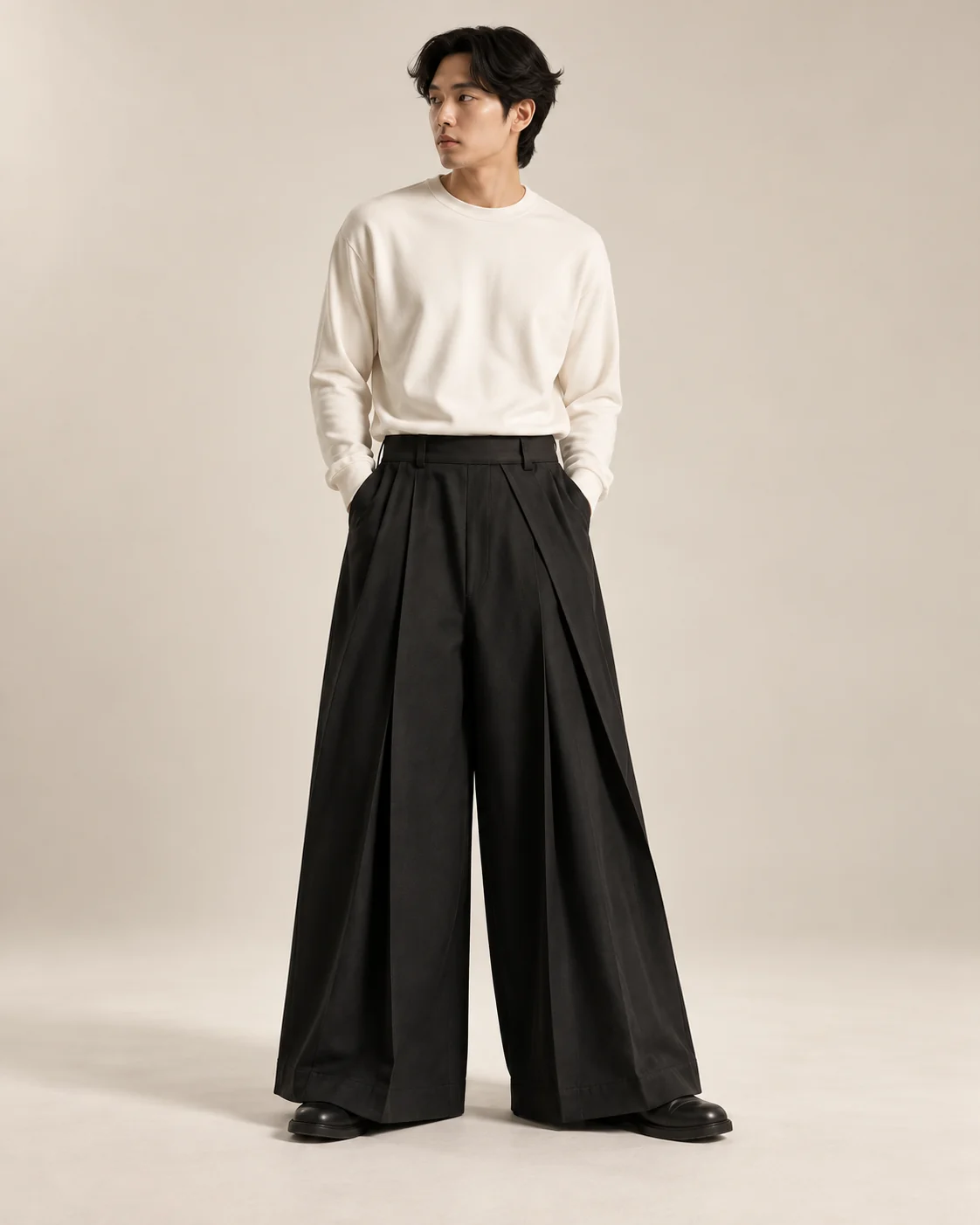
Another important element is the focus on relaxed proportions. Japanese fashion often features loose, comfortable fits that allow for ease of movement and a more laid-back vibe. This is particularly evident in the popularity of wide-legged trousers and pleated pants, which add a modern twist to classic silhouettes. These garments provide comfort and contribute to the overall relaxed and stylish appearance of the outfit.
Minimal Japanese menswear
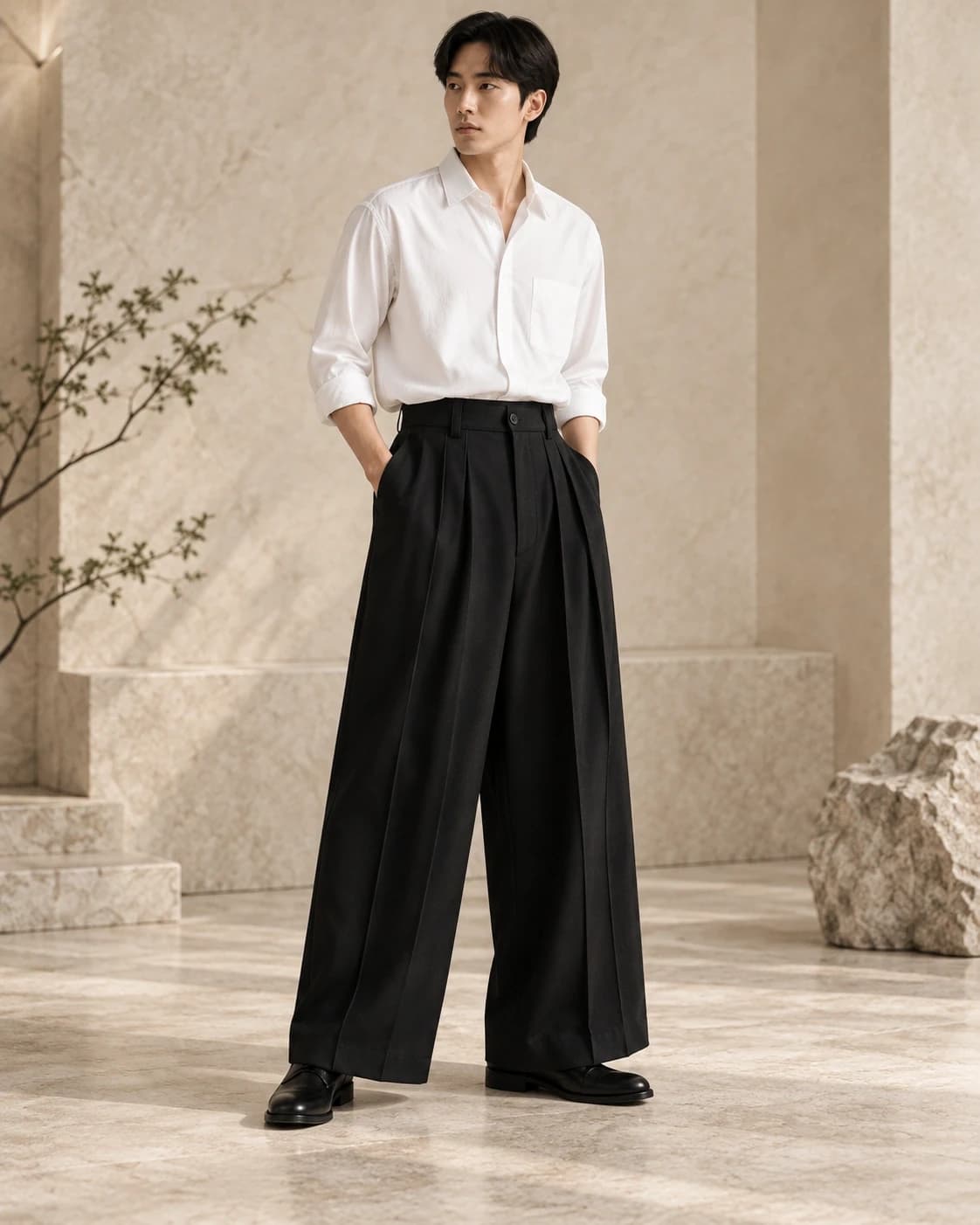
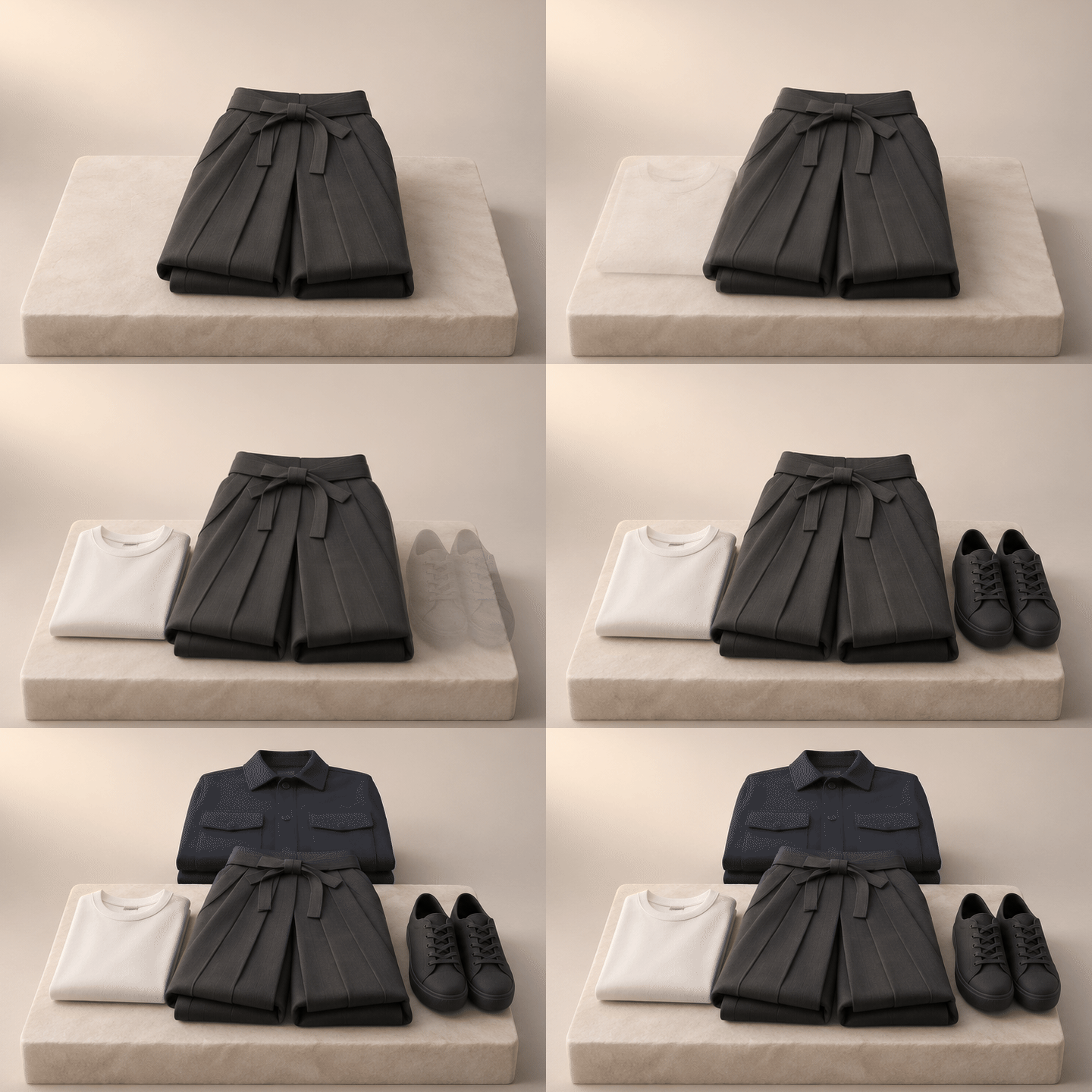
Minimalism in Japanese menswear is characterized by clean lines, neutral colors, and a focus on simplicity. This style is all about creating a streamlined, uncluttered look that exudes elegance and refinement. A typical minimal outfit might consist of a well-fitted white shirt, a pair of black or stone-grey hakama pants, and a pair of sleek, simple shoes.
To achieve a minimalist look, start with a neutral base and build from there. Choose high-quality, well-tailored pieces that fit well and feel comfortable. Layering is still important, but the key is to keep each layer simple and understated. For example, a lightweight, cotton cardigan can add warmth without detracting from the overall minimalist aesthetic. Accessories should be minimal, with a focus on functionality and simplicity, such as a leather belt and a pair of understated sneakers.
The beauty of minimalist Japanese menswear lies in its versatility. You can easily transition from a casual setting to a more formal one by adding a blazer or a well-tailored coat. The key is to maintain the clean, streamlined look while adding subtle touches that elevate the outfit. This style is perfect for those who prefer a more understated, elegant approach to fashion.

The city boy look
The city boy look is a popular style in Japanese menswear that is commonly linked to magazine culture. This look is characterized by oversized shirts, layered tops, wide relaxed trousers, and simple sneakers.
To achieve the city boy look, start with an oversized shirt as the foundation of your outfit. Layer a plain, simple top underneath for added depth. Pair these with wide, relaxed trousers to maintain the loose, comfortable aesthetic. Completing the look with a pair of simple sneakers will tie everything together.
This style is perfect for those who want to create a relaxed yet put-together appearance.

Japanese Americana
Japanese Americana, or "Ametora," is a style that blends traditional American prep with Japanese sensibilities. The look mixes classic American clothing items, such as flannel shirts, denim jeans, and chore coats, with a more refined, tailored approach. The result is a style that has become a staple of Japanese menswear.
To achieve the Japanese Americana look, start with a well-fitted flannel shirt or a classic button-down shirt. Pair this with a pair of straight-leg jeans, and add a chore coat for a touch of formality. Hakama pants can also work well in this look, adding a modern twist to the traditional Americana aesthetic. Completing the outfit with a pair of boots or loafers will tie everything together.
Accessories are an important part of the Japanese Americana look. Consider adding a leather belt, a classic watch, or a pair of sunglasses to enhance the overall aesthetic. The key is to maintain a balance between the casual, American-inspired elements and the refined, Japanese sensibilities. This style is perfect for those who want to embrace a classic look with a modern twist.
Workwear-led outfits
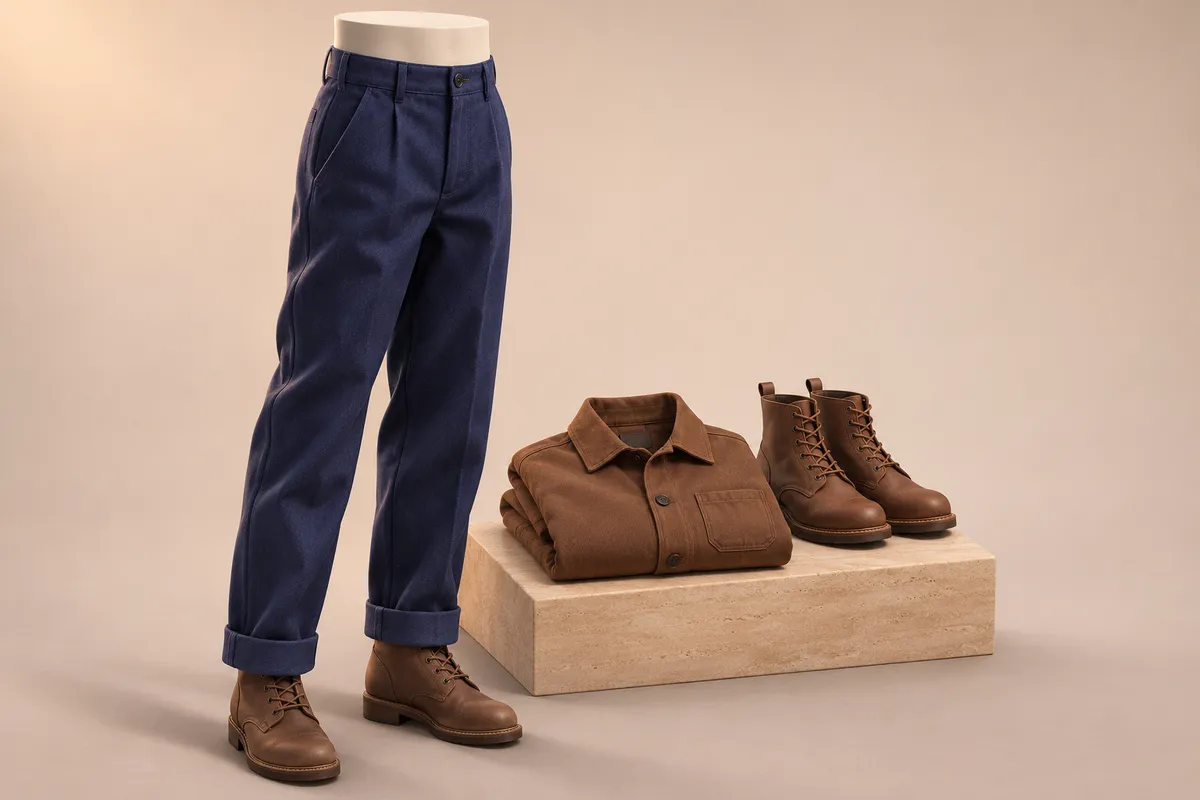
Workwear-led outfits in Japanese menswear draw inspiration from traditional work clothing, such as denim, cotton twill, and canvas. This style is characterized by rugged, durable materials and a focus on practicality and functionality. Key pieces for a workwear-led outfit include denim jackets, utility pants, and sturdy boots. These garments are often paired with more casual items, such as t-shirts and sneakers, to create a balanced and stylish look.
To achieve a workwear-led outfit, start with a well-fitted denim jacket or a cotton twill shirt. Pair this with a pair of utility pants or hakama pants for a modern twist. Completing the look with a pair of sturdy boots or sneakers will tie everything together. Layering is also important in this style, so consider adding a lightweight jacket or a vest to add depth and texture to your outfit.
Accessories are an important part of the workwear-led look. Consider adding a leather belt, a pair of work gloves, or a simple watch to enhance the overall aesthetic. The key is to maintain a balance between rugged, practical elements and a stylish, modern touch. This style is perfect for those who want to embrace a rugged, functional look with a touch of sophistication.
Avant-garde layers
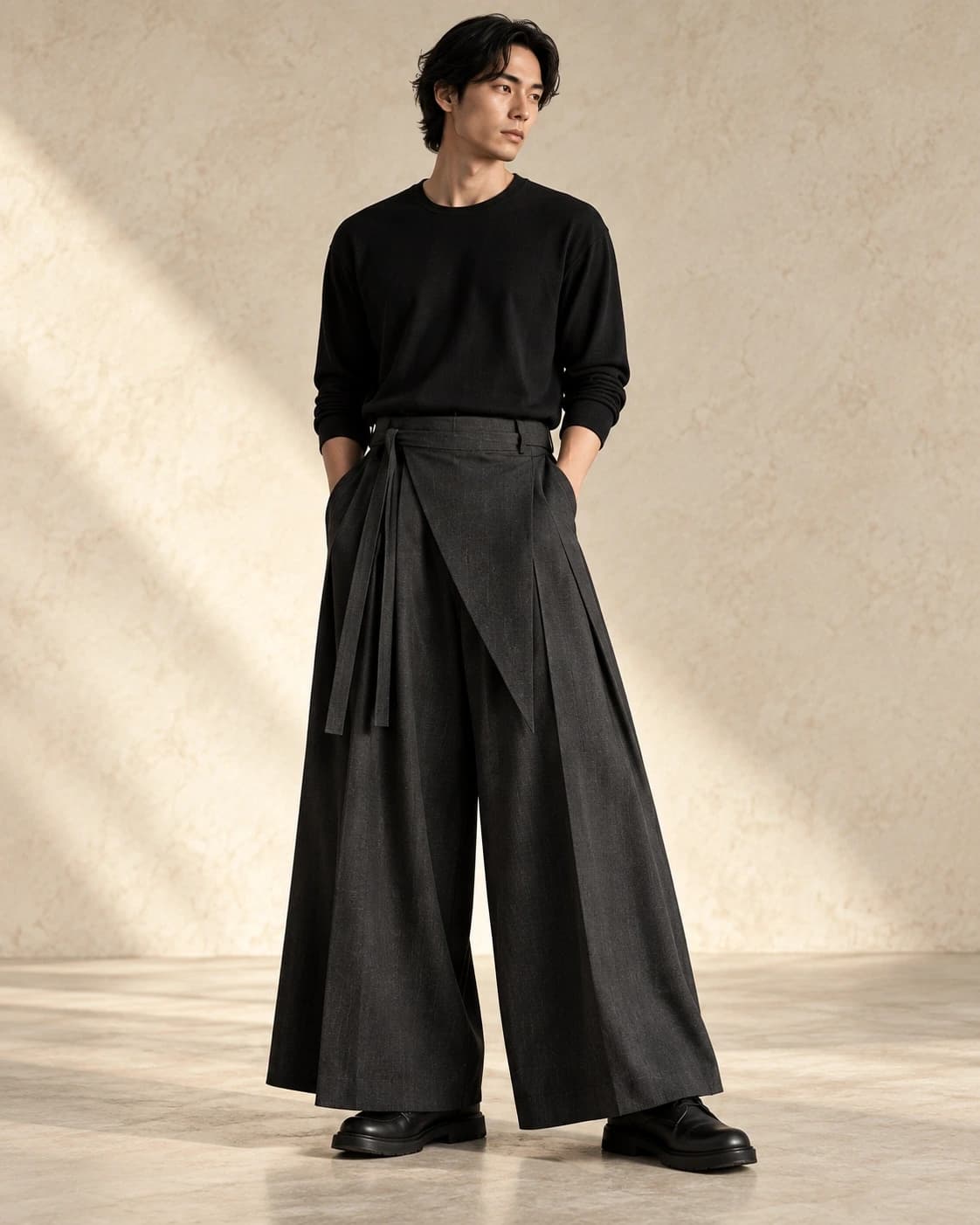
Avant-garde fashion in Japanese menswear is characterized by bold, experimental designs and a focus on creativity and individuality. This style often features unconventional silhouettes, unexpected layering, and a mix of textures and materials. Key pieces for an avant-garde look include oversized coats, asymmetrical shirts, and unique accessories. These garments are often paired with more casual items, such as t-shirts and sneakers, to create a balanced and stylish look.
To achieve an avant-garde look, start with a bold, statement piece such as an oversized coat or an asymmetrical shirt. Pair this with a pair of wide-leg hakama pants for a modern twist. Completing the look with a pair of unique accessories, such as a statement watch or a pair of avant-garde sunglasses, will tie everything together. Layering is essential in this style, so consider adding a variety of layers to add depth and texture to your outfit.
The key to mastering the avant-garde look is to embrace experimentation and creativity. Don't be afraid to mix and match different textures and materials, and don't shy away from bold, unconventional designs. This style is perfect for those who want to stand out and express their individuality through their fashion choices.
Building an outfit around wide pleated pants
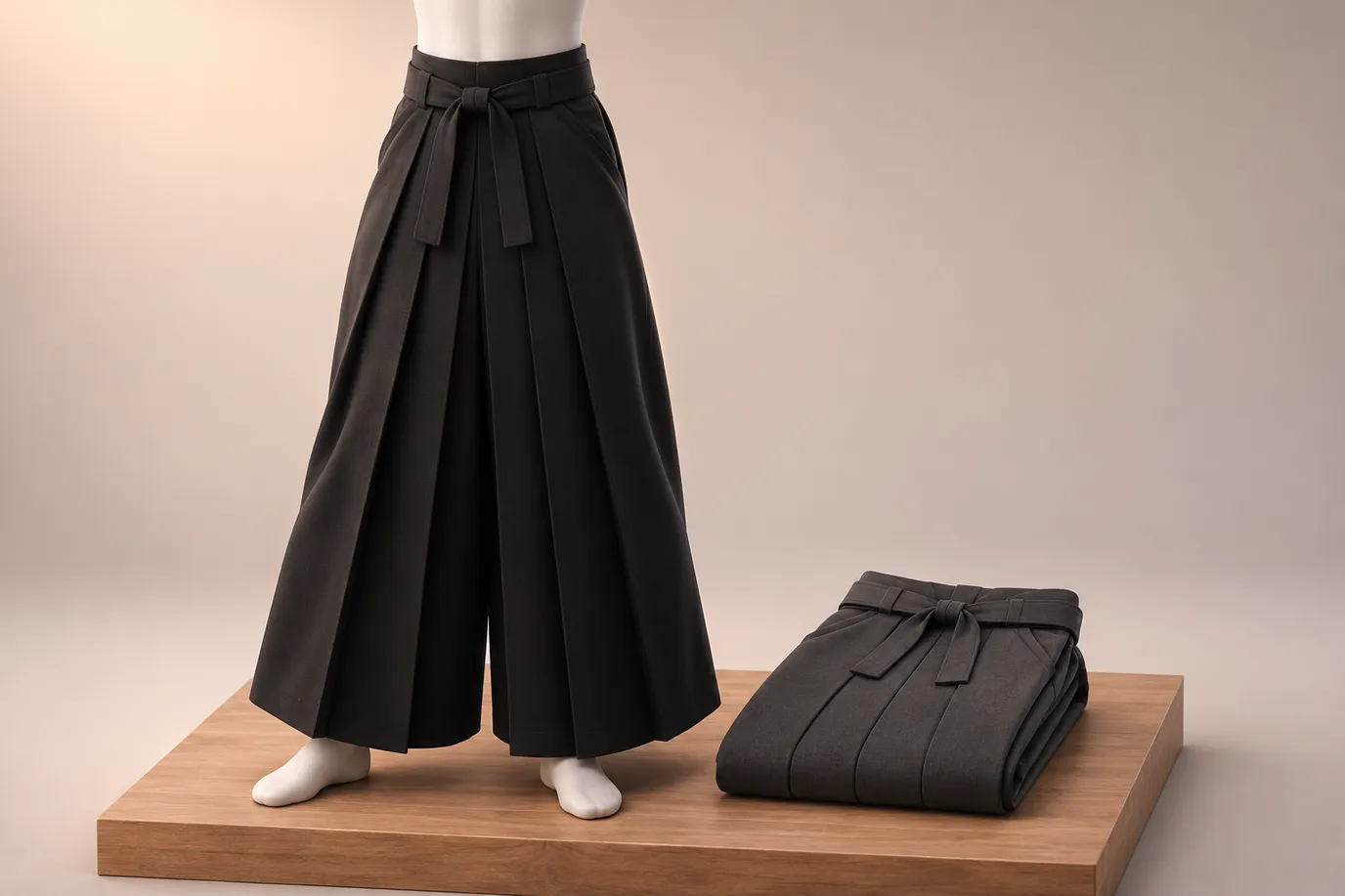
Wide pleated pants, such as hakama, are a versatile choice for modern menswear. These trousers add an elegant touch to any outfit, whether you're going for a minimalist, city boy, Japanese Americana, workwear, or avant-garde look. The key to building an outfit around wide pleated pants is to keep the rest of the ensemble balanced.
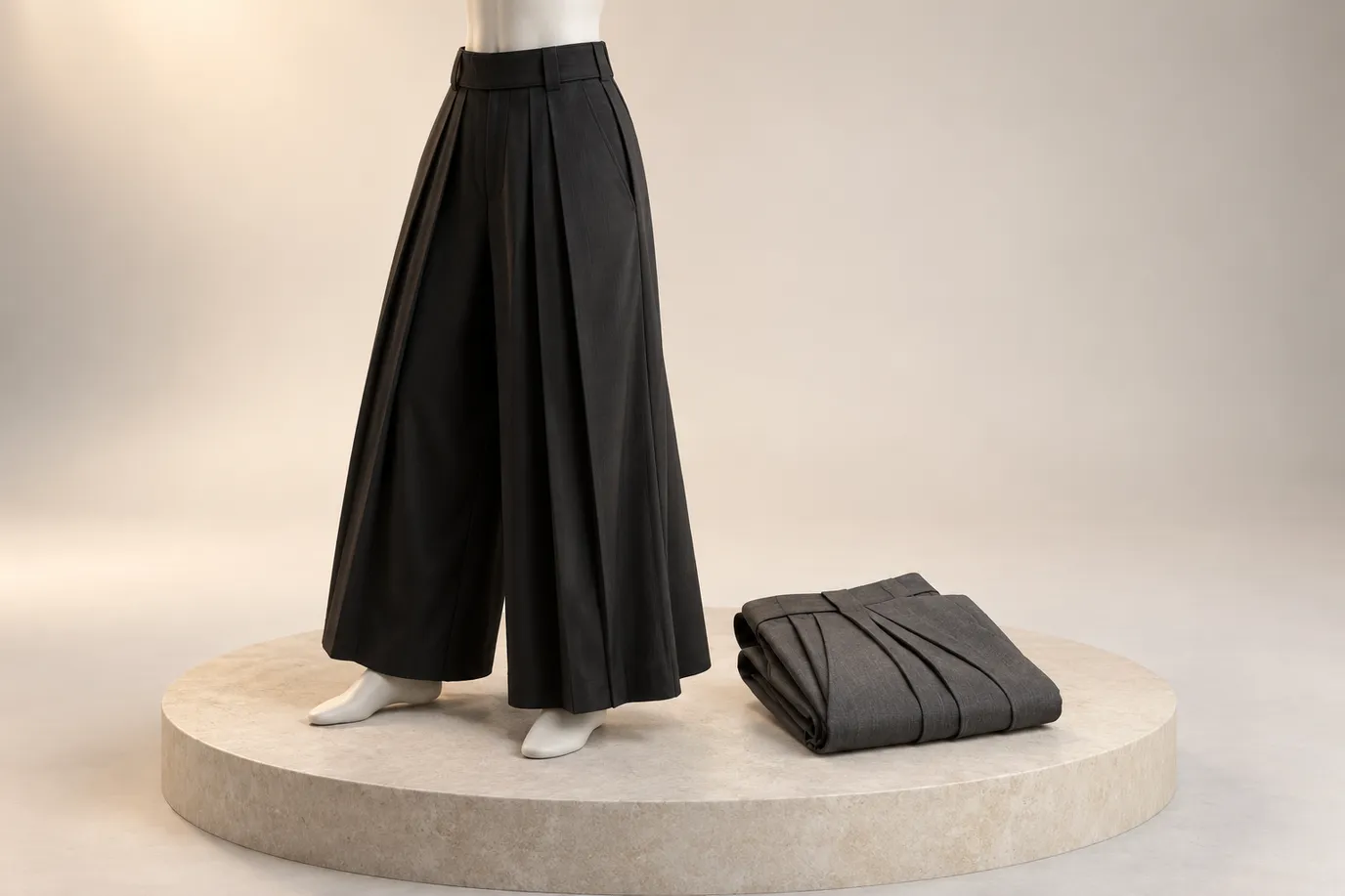
To start, choose the trouser first, then the top. For a minimalist look, choose the Men's Japanese Hakama Pants (black, relaxed straight-leg hakama trouser with pronounced center pleats) and pair with a simple, well-fitted shirt.
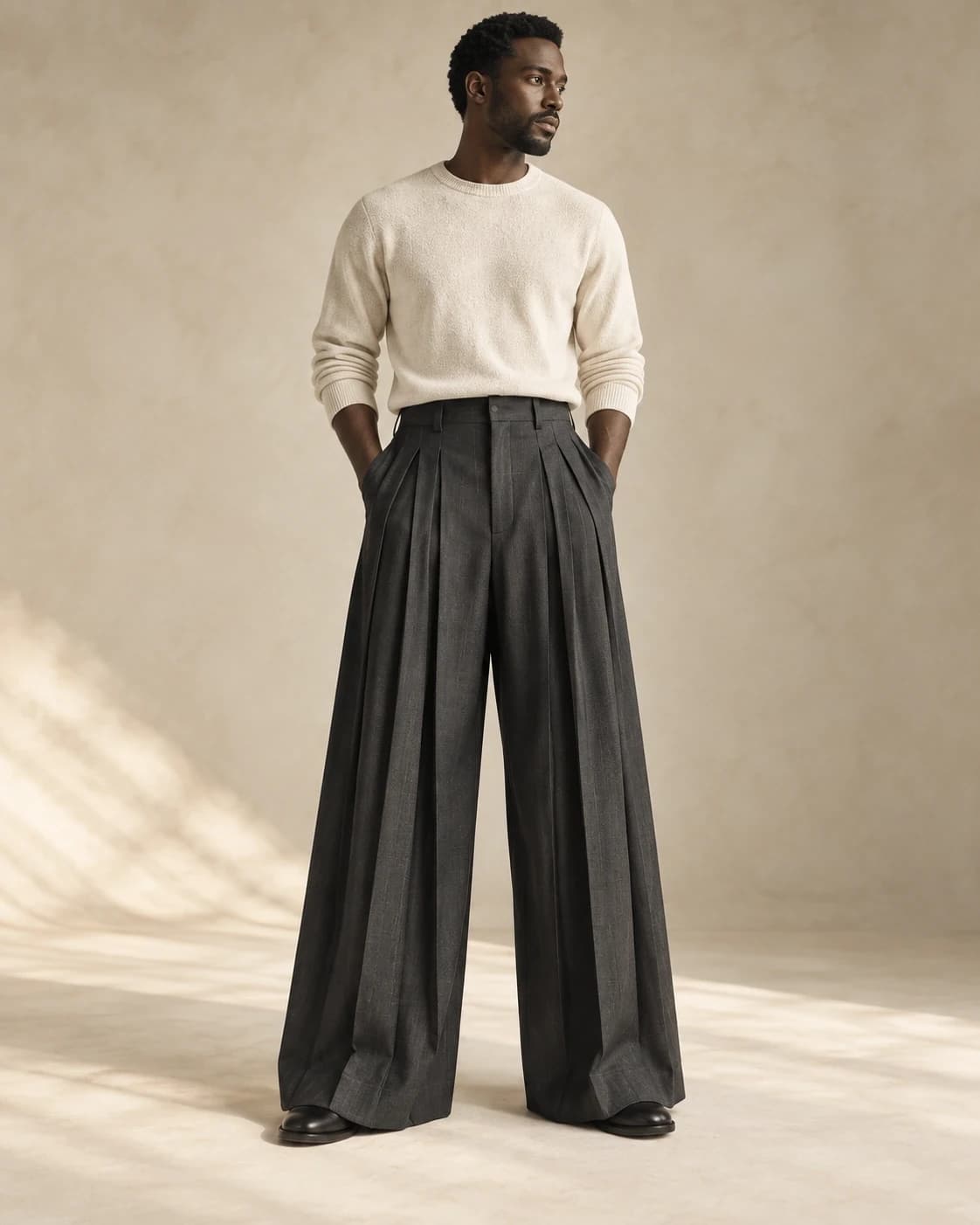
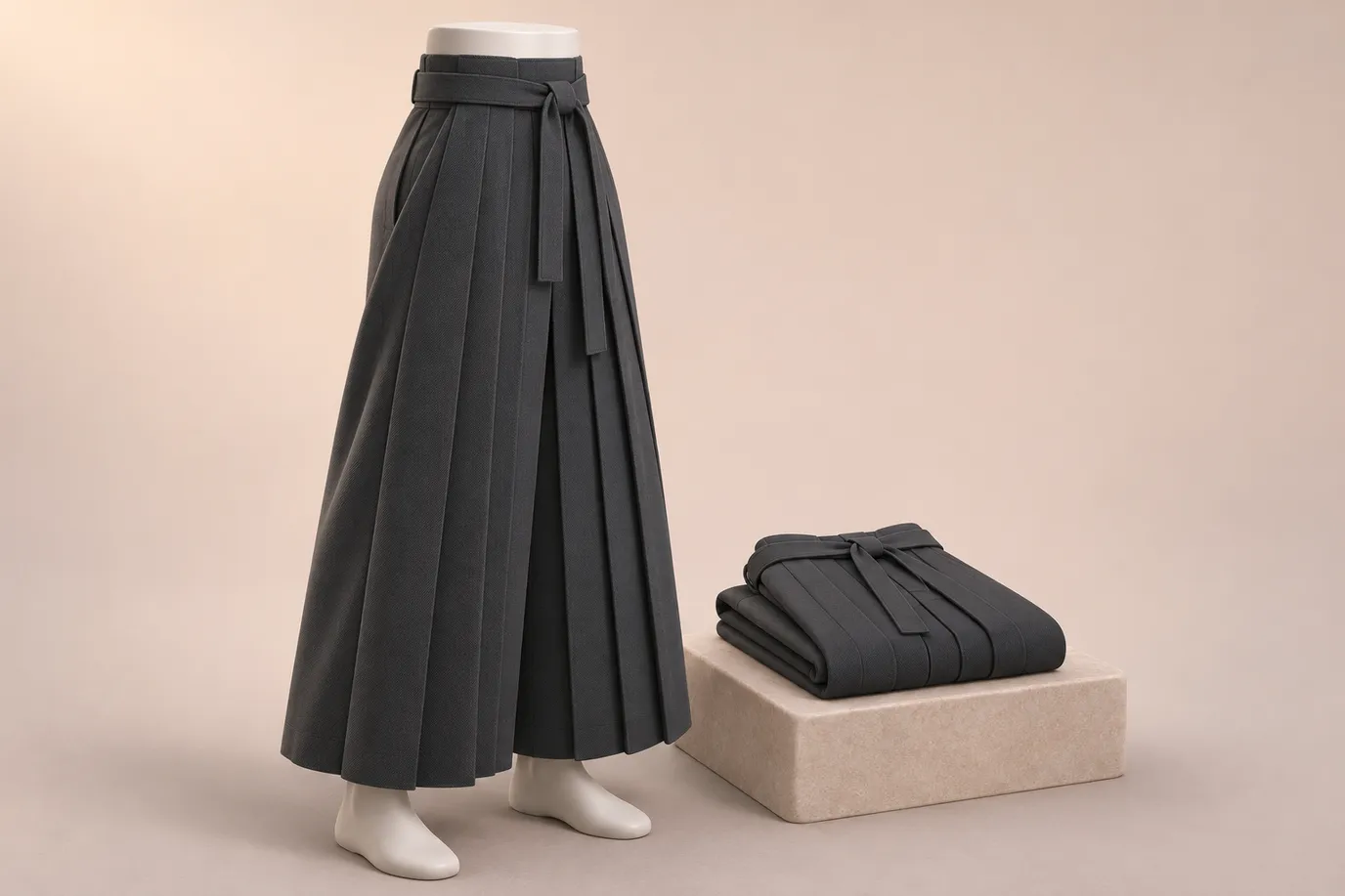
For a city boy look, opt for the Men's Pleated Hakama Pants (charcoal, long linear pleats, softly squared wide hems, clean high waist) and add an oversized shirt.
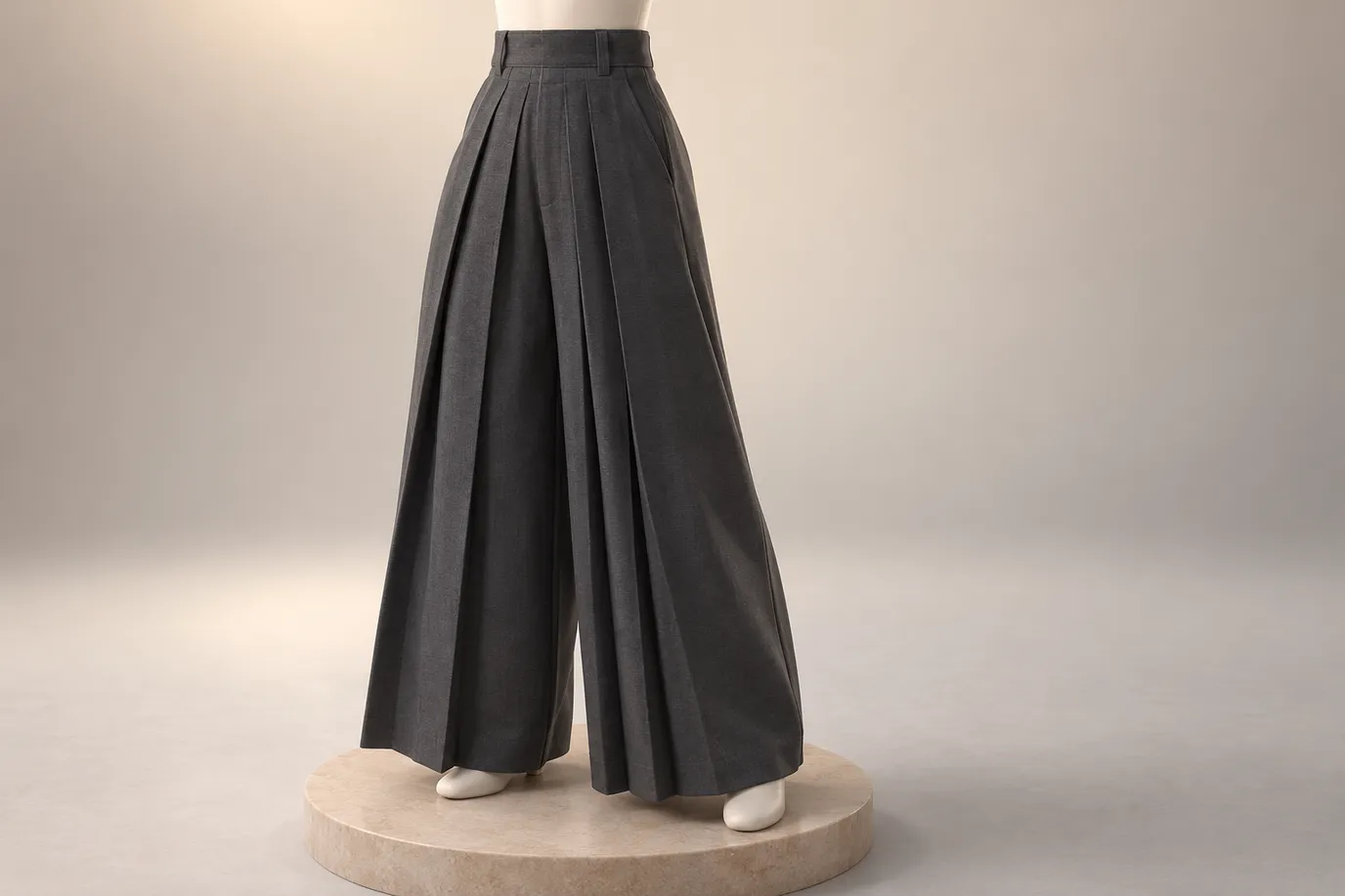
For Japanese Americana, pair the Hakama Trousers (stone grey, tailored wide-leg trouser with crisp front pleats) with a flannel shirt. For workwear, choose a denim jacket and utility boots. For an avant-garde look, opt for an oversized coat and unique accessories.
Sizing a loose trouser correctly is crucial for achieving the desired look. Use the size guide on how to measure rise and outseam and check the figures on the product page to ensure the right fit.
Frequently Asked Questions
What clothes are trendy in Japan?
Trendy clothes in Japan often feature relaxed wide trousers, layered shirts, and muted colours. Popular styles include minimalism, city boy, Japanese Americana, workwear, and avant-garde. These looks blend casual and formal elements.
What is Japanese style fashion called?
Japanese style fashion includes various terms such as Ametora, city boy, and Harajuku street style for modern looks, and wafuku for traditional dress. There is no single name that encompasses all styles.
What is Japanese style clothing called?
Traditional clothing is called wafuku, including kimono and hakama. Modern Western-style clothing is known as yofuku. These terms reflect the diverse range of styles in Japanese fashion.
What do Japanese men wear day to day?
Japanese men typically wear plain tops, relaxed trousers, and simple shoes. Their daily attire varies by city and job, but often emphasizes comfort and practicality.
Conclusion
Japanese men's fashion is a blend of traditional and contemporary influences, characterized by relaxed proportions and layering. Whether you prefer minimalism, the city boy look, Japanese Americana, workwear, or avant-garde, there's a style that can suit your taste. Building an outfit around wide pleated pants, such as hakama, can add a practical and versatile touch to your ensemble. For the best fit, refer to the size guide to ensure your trousers sit comfortably and look stylish. Start with one look, then choose the trouser. Explore the men's hakama pants collection to find the perfect fit.