Hakama trousers are wide-leg, pleated trousers based on the traditional Japanese hakama. Unlike a traditional hakama, most pairs have a flat or elastic waistband instead of long ties, and they lack a rigid back panel. When choosing a pair, compare the waist type, leg width, length with your shoes, pleat depth and colour. This guide explains the styles you will see, how they differ from the traditional garment, and what to check on a product page before you buy.
Key Takeaways
- What they are: Hakama-style trousers are modern, wide-leg, pleated trousers that borrow their shape from the Japanese hakama.
- The main difference: Most pairs have a flat or elastic waistband instead of ties, and no rigid back panel (koshiita).
- Three styles: You will mostly see tailored, streetwear and plain wide-leg versions.
- Length: Judge the length while standing in the shoes you plan to wear with the trousers.
- Pleats and colour: Pleat depth and colour decide how formal the pair looks.
- Concept images: A concept image shows design intent and does not confirm fabric or construction.
What hakama trousers are
These trousers are modern garments that borrow the voluminous, pleated silhouette of the traditional Japanese hakama. They keep the front pleats and wide legs that define the hakama, but they are cut and worn like ordinary trousers.
The shape is often traced to the divided umanori hakama, which has wide legs and pleats. That form is commonly linked to riding and to formal dress, though accounts of its origins vary. The trousers retain the pleats, the width and the high waist of the hakama, while dropping the ties and the back panel.
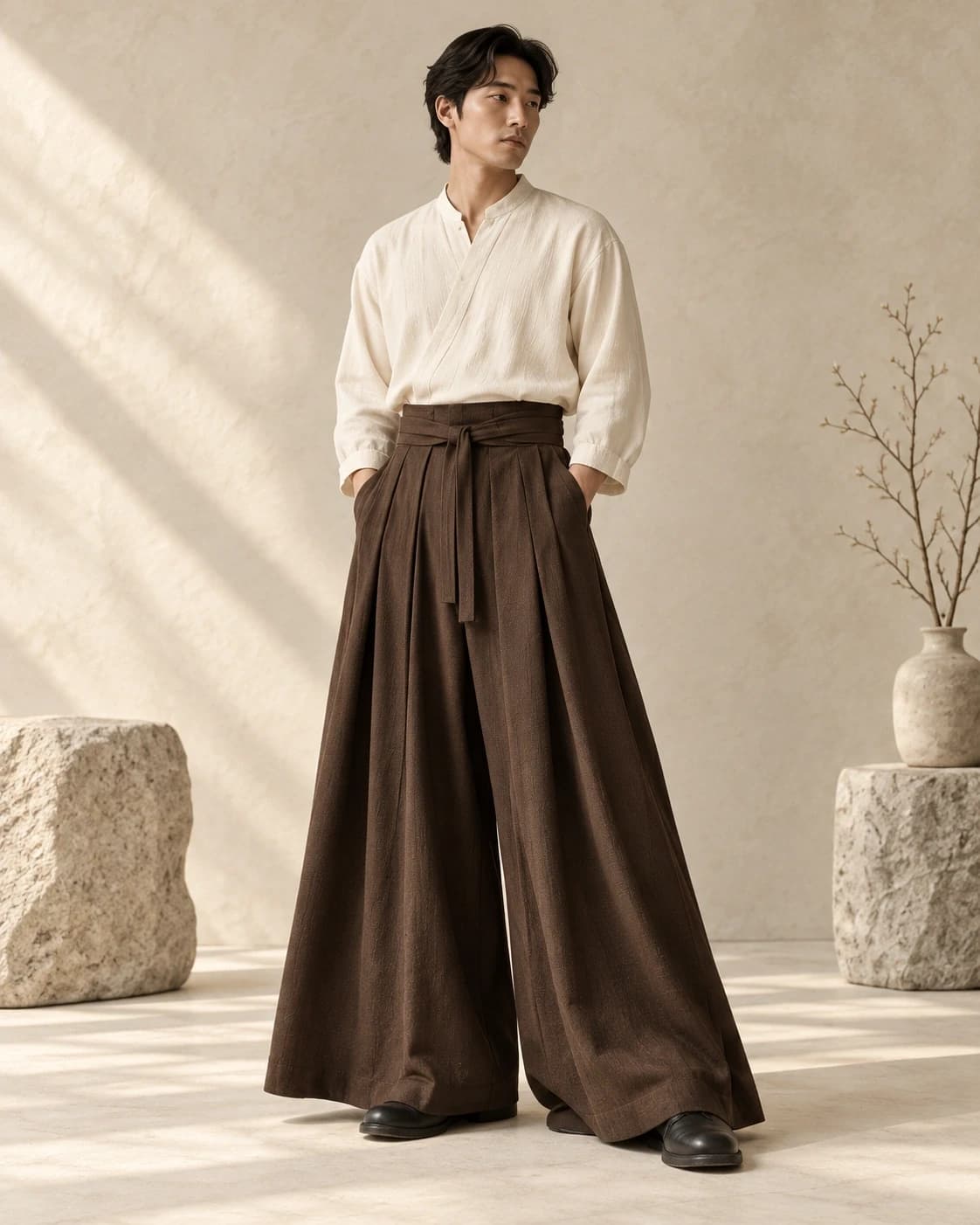
Today, these trousers are worn with shirts, knits and jackets in everyday and smart casual outfits. Shops also list them as Japanese hakama pants or simply hakama pants, so searching both names helps when you compare. One example is the store's Japanese Hakama Pants in espresso brown, a design with generous flowing divided legs.
How they differ from a traditional hakama
| Feature | Traditional-style hakama | Hakama-style trousers |
|---|---|---|
| Waist | Long ties wrapped and knotted | Usually a flat, buttoned or elastic waistband |
| Back | Rigid back panel (koshiita) | Usually none |
| Legs | Very wide, deep pleats | Wide, with pressed front pleats |
| Worn with | Kimono or training top | Shirts, knits, jackets |
| Typical use | Martial arts, formal dress | Everyday and smart casual outfits |
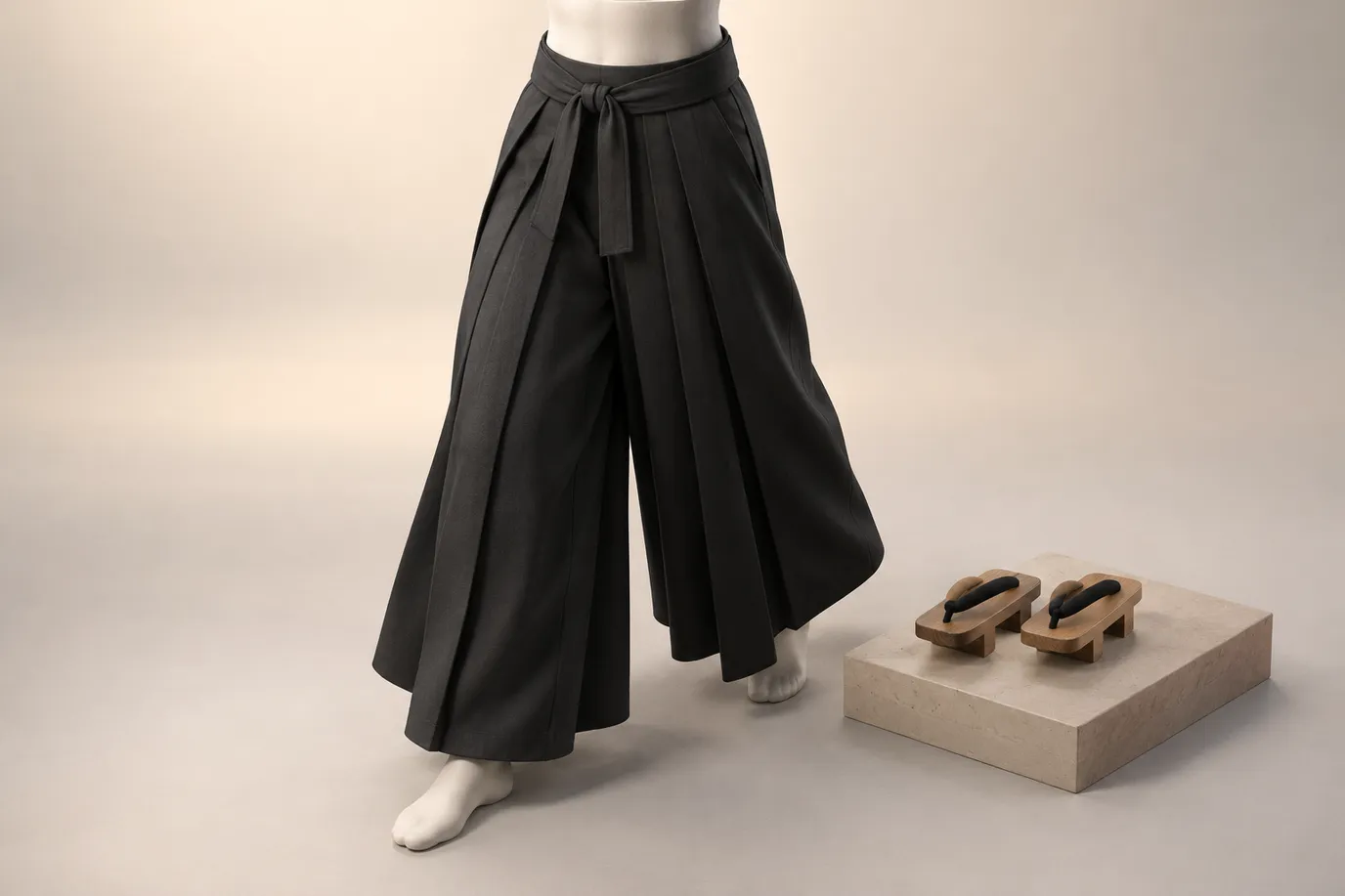
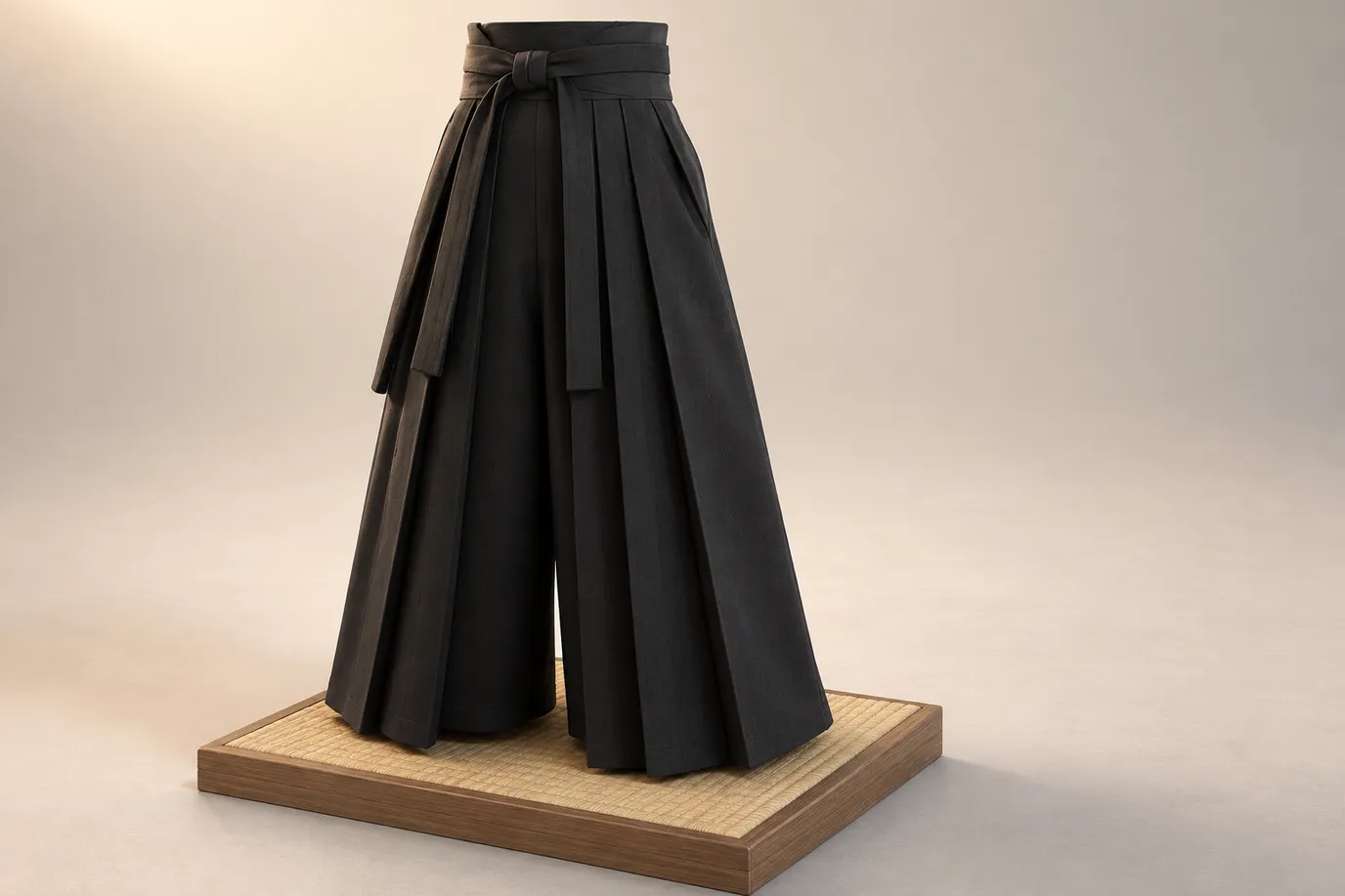
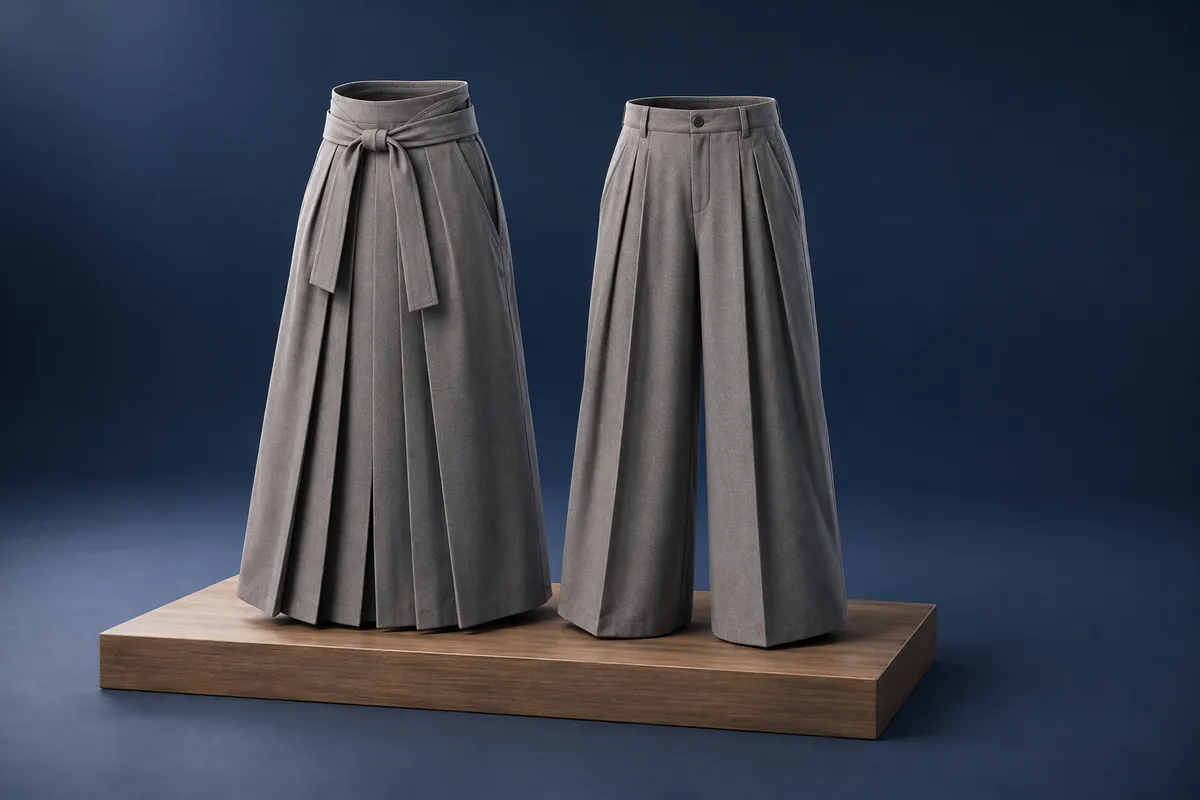
The first difference is the waist. A traditional hakama has long ties (himo) that are wrapped and knotted around the waist, while the trousers typically have a flat, buttoned or elastic waistband that goes on like any other pair.
The second difference is the back and the legs. A traditional hakama includes a rigid back panel (koshiita) and very wide legs with deep pleats, which give it its distinctive outline. Hakama-style trousers usually have no back panel and carry pressed front pleats, which makes them simpler to wear.
The use also differs. A traditional hakama is worn with a kimono or a training top for martial arts and formal dress, while the trousers are everyday clothes. If a club or ceremony asks for a hakama, it usually means the traditional garment, so ask before substituting.
The styles you will see: tailored, streetwear and wide-leg
Tailored
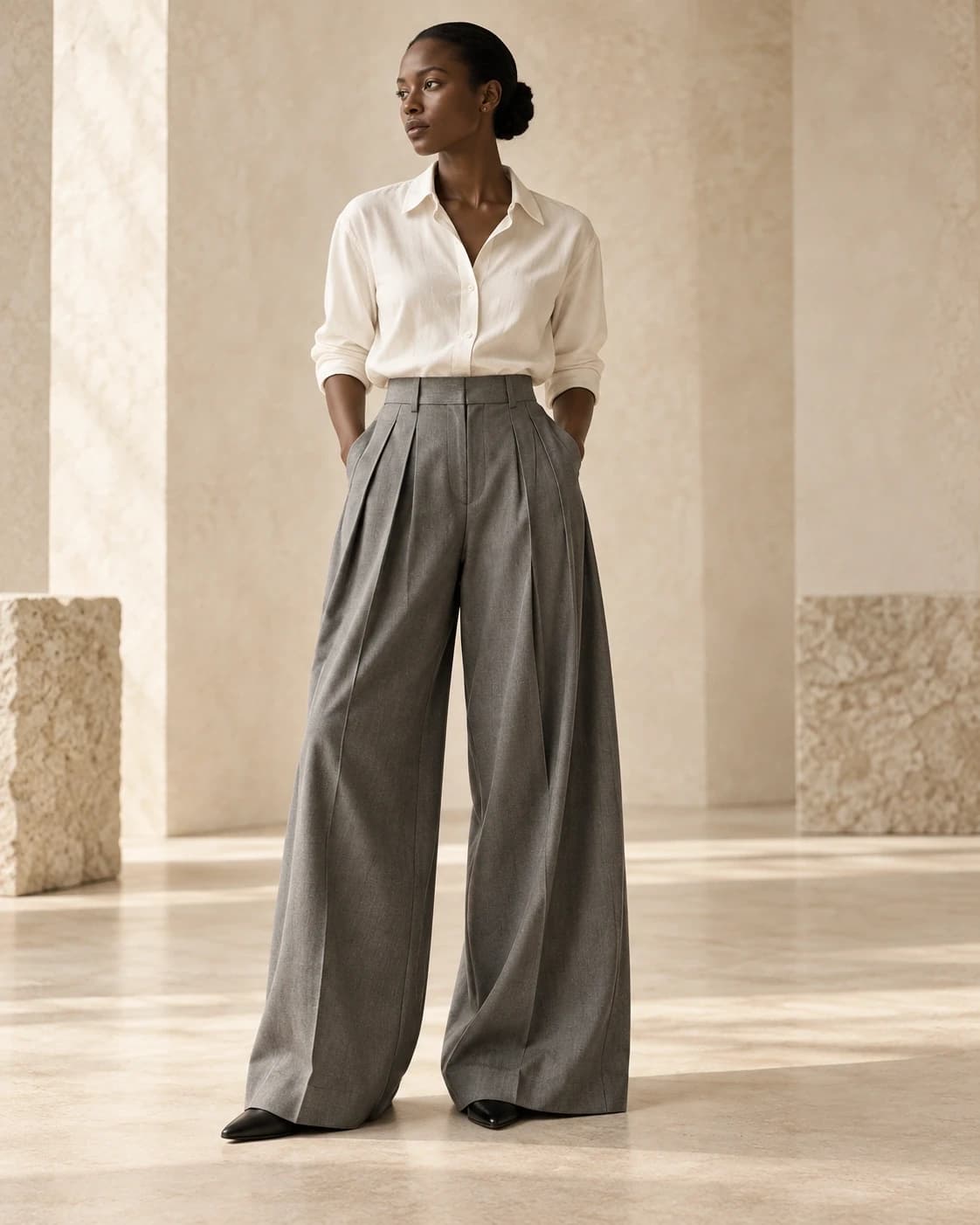
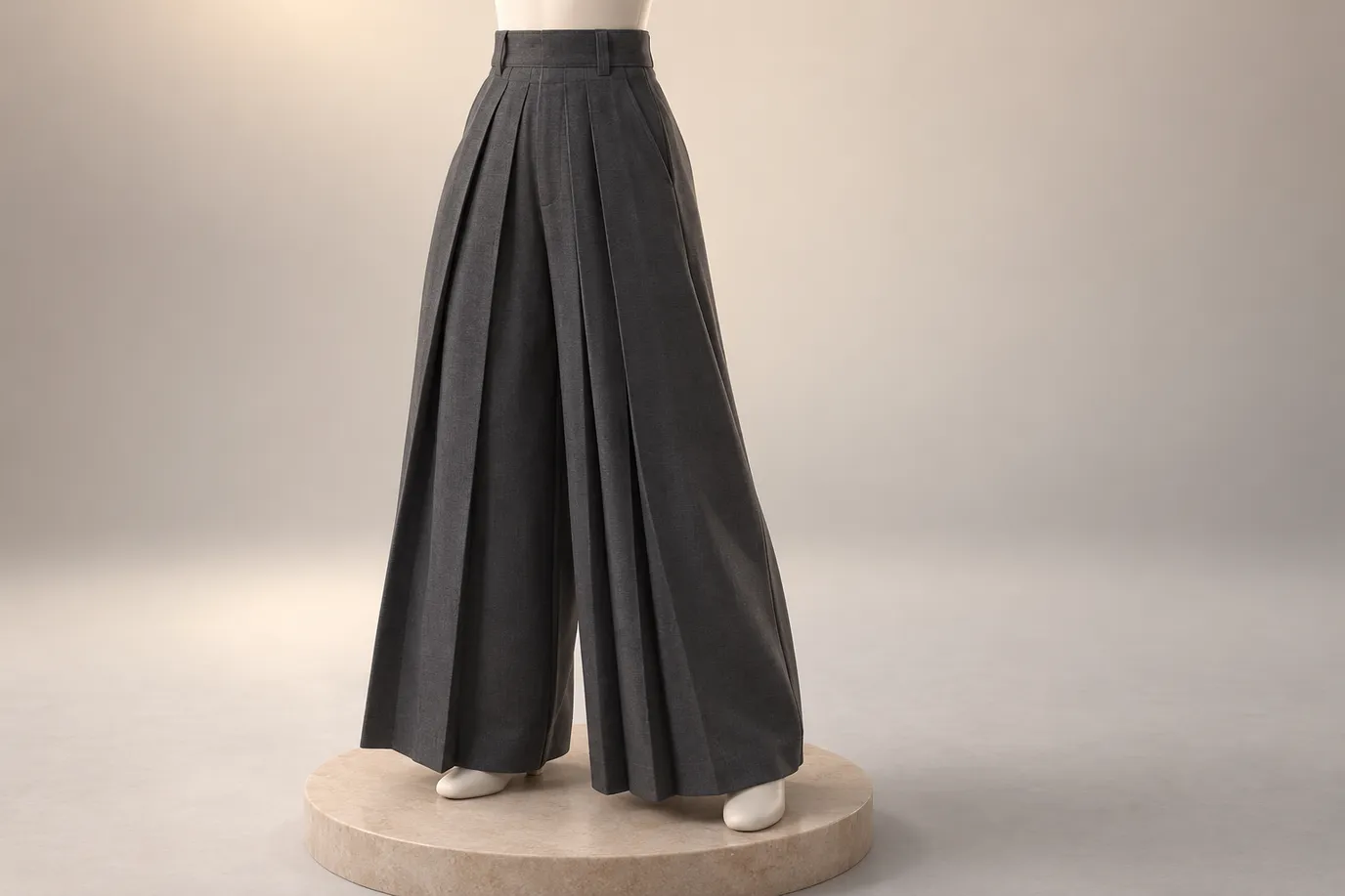
Tailored hakama-style trousers have crisp front pleats and a flat waistband, which puts them close to a dress trouser with added volume. This is the version to look at for smart casual outfits. Hakama Pant lists a stone grey tailored design under the name Hakama Trousers, in listed sizes S to XXL.
Streetwear
Streetwear versions are looser and often add details such as wrap features, cargo pockets or an asymmetric front. They are frequently grouped with techwear and have a more casual look. Check how the details sit at the waist, because a wrap front changes how the top is tucked.
Wide-leg
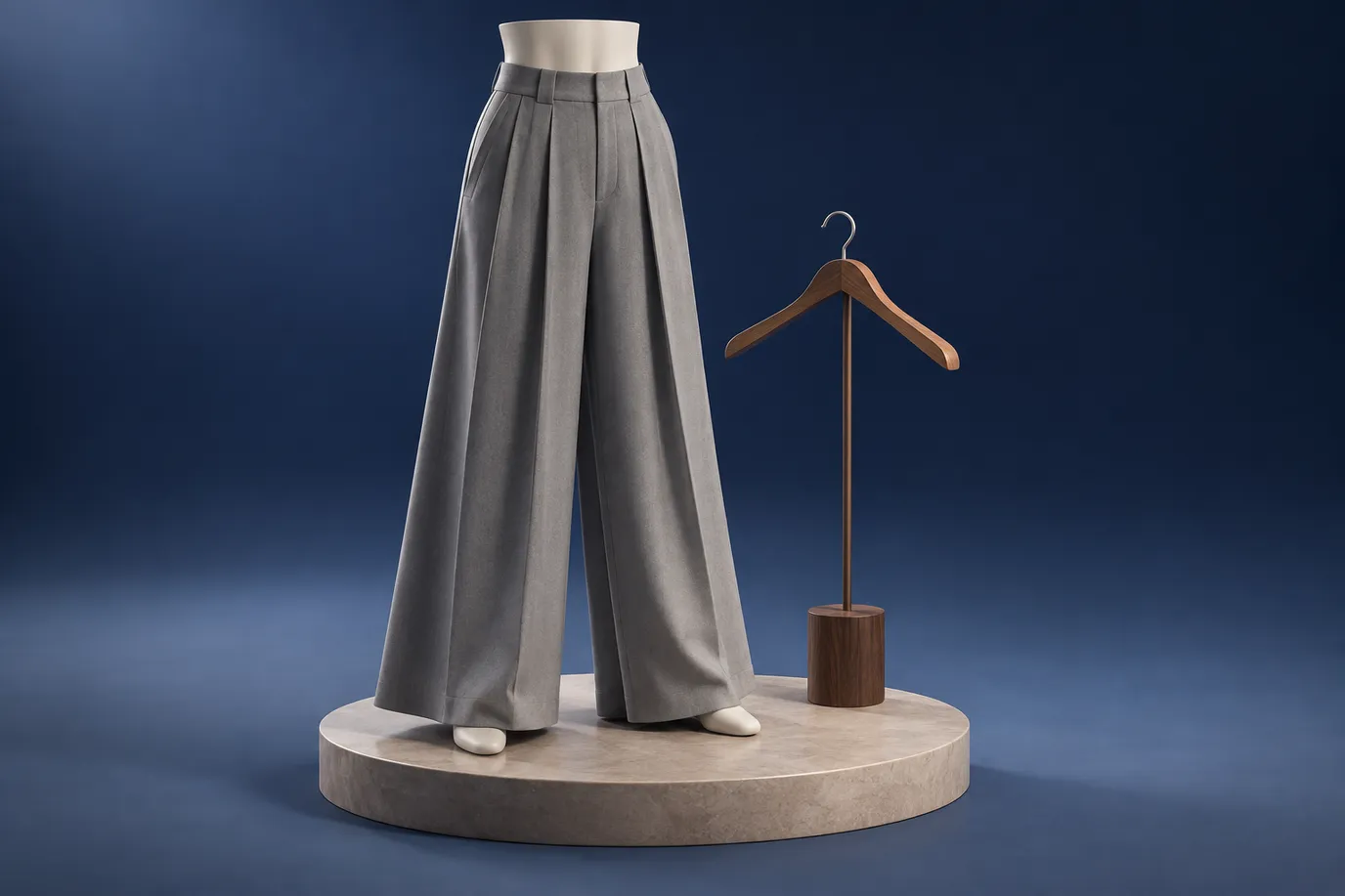
The wide-leg version is the simplest form: a high waist and extra-wide legs with minimal details. It comes closest to culottes when cropped. With few details to distract, the width of the leg and the length of the hem do all the work, so those two points deserve the most attention.
How to choose: waist, leg width and length
Start with the waist. A flat, buttoned waist sits like a dress trouser and needs the right size, while an elastic or drawstring waist forgives more. A tie waist is fully adjustable but takes practice. Check where the waistband sits on your body (the rise), because a high waist changes the proportions of the whole outfit.
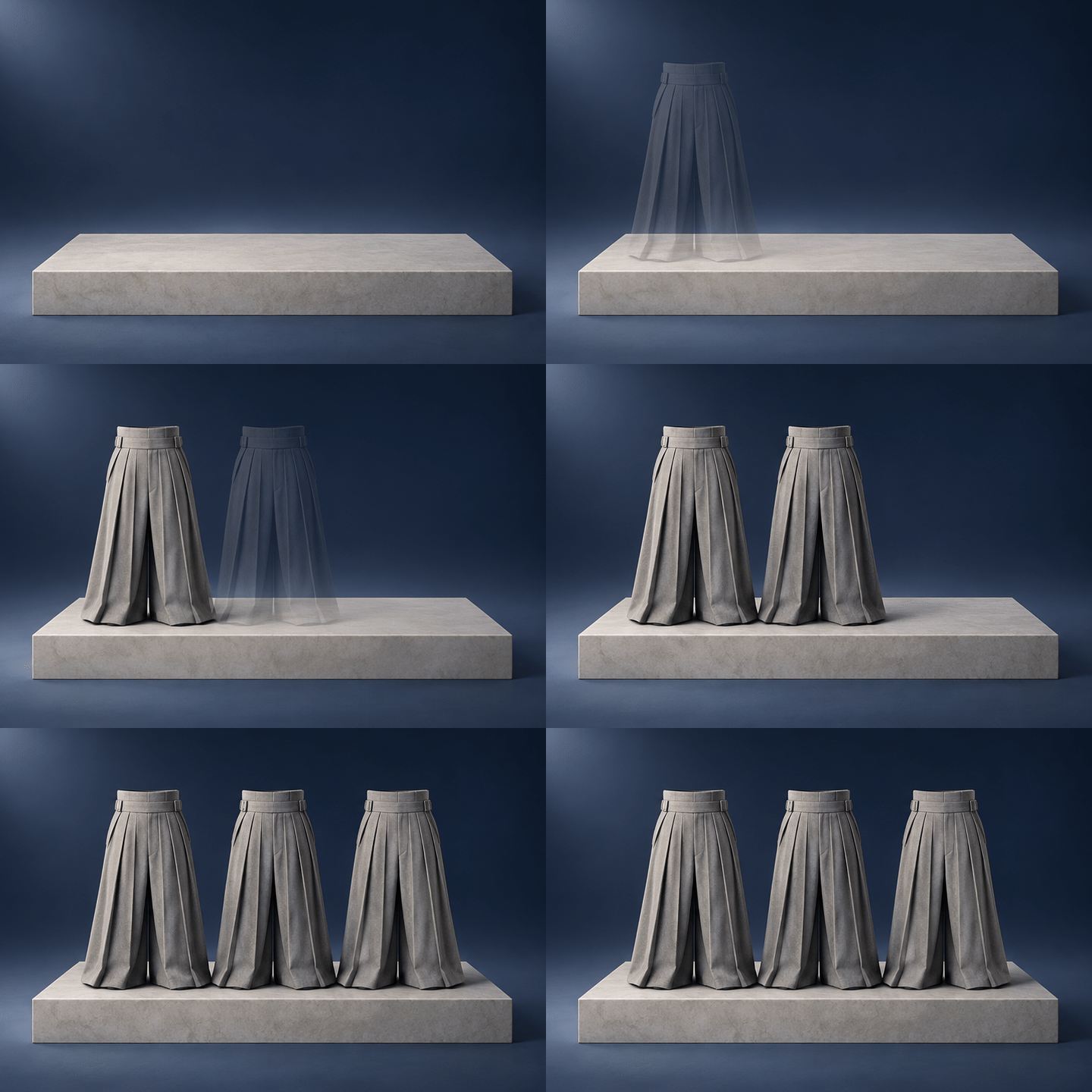
Leg width changes the look more than any other choice. Wider legs read more like a hakama and call for a shorter or more fitted top. A moderate width is easier to match with ordinary jackets. Check the hem width in the product details, since it decides the silhouette.
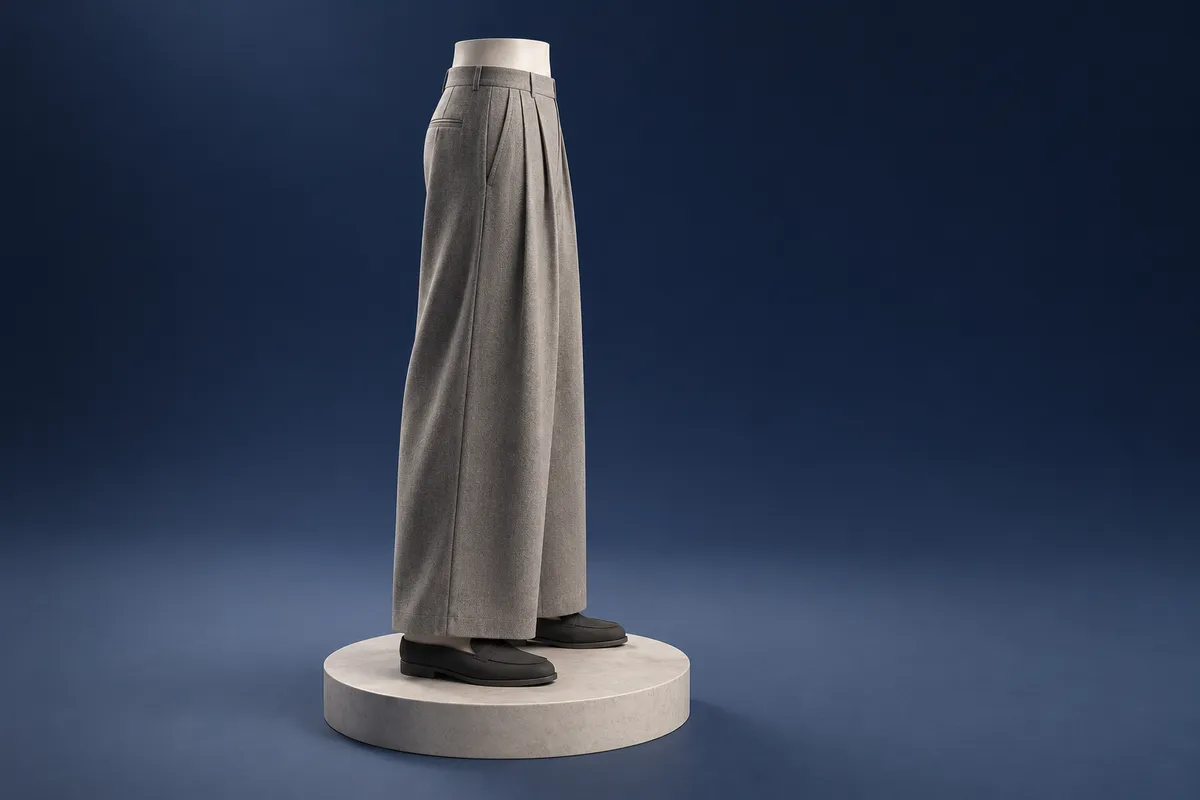
For length, judge the trousers while standing in the shoes you plan to wear. The hem should clear the ground so it does not catch under your feet. Measure your waist, rise and outseam as the store's size guide shows, and compare the results with the listed sizes. Never rely on photos alone, because a photo cannot show where the hem falls on your own height.
Pleats and colour: what changes the look
The depth and type of pleats change the appearance of a pair. Deep, pressed pleats look sharp and more formal. Soft or fewer pleats look relaxed and casual. Pressed pleats generally need care to keep their line, so think about how often you will wear the trousers and how you store them.
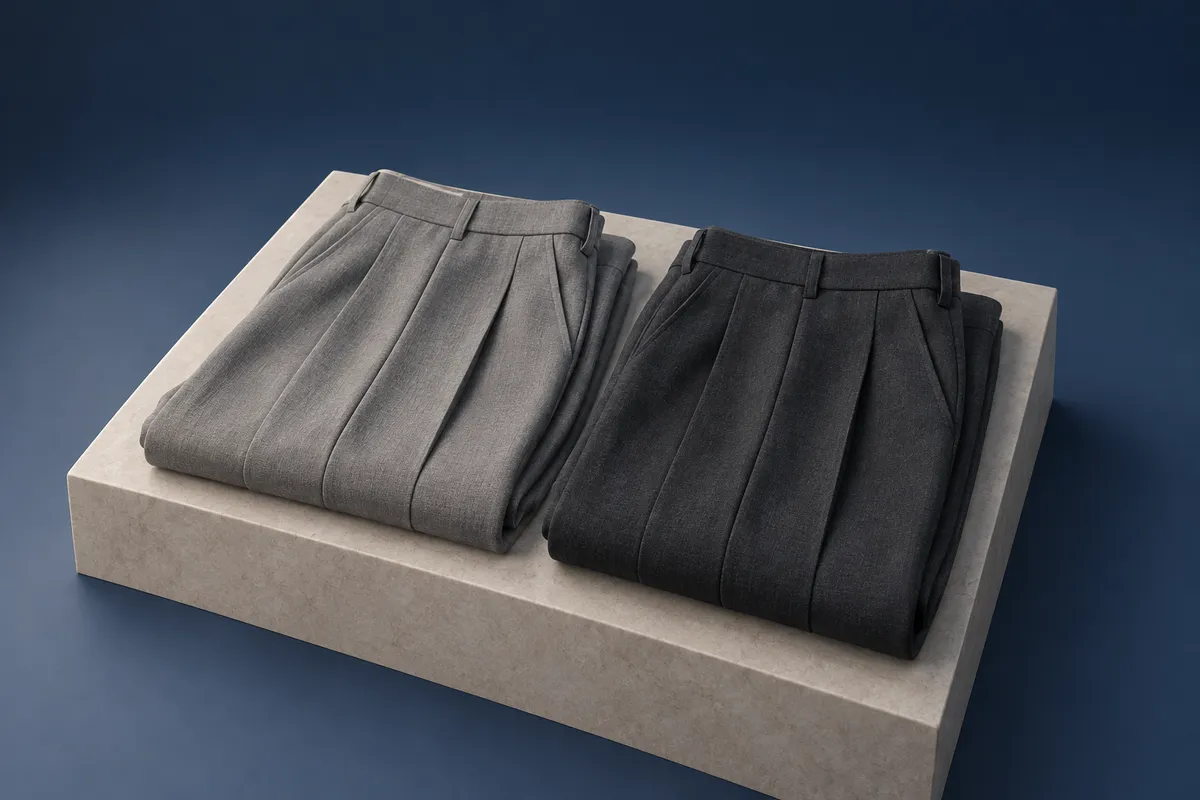
Colour matters just as much. Dark neutrals such as black, charcoal and deep indigo pair with most tops and tend to hide wear. Lighter tones like stone grey show the pleat lines and read as more casual. For ready-made combinations, the guide to hakama outfit ideas for everyday wear shows how tops and footwear change the result.
When combining these elements, take one decision at a time. Decide on the waist type first, since it sets the fit and comfort. Next, choose the leg width based on the tops you plan to wear. Finally, select the colour.
What affects the price of a hakama
Prices vary for several reasons. For a traditional hakama, the type of cloth is a significant factor. Polyester blends such as tetron, cotton and indigo-dyed cotton each have their own characteristics and costs. The number and depth of the pleats also matter, as more pleating takes more cloth and more work.
Construction and finishing details add to the figure. How the pleats are set, the presence of a lining, the type of waistband, and extras like embroidery or personalisation all play a part. If the hakama is part of a set, for example with a kimono, the total is higher because there are more pieces.
For hakama-style trousers, the same logic applies. Read the current figure and the listed details on the product page carefully. A concept image gives you the design intent but does not confirm the fabric or the construction. Always compare like with like.
Hakama Pant designs to compare
Besides the stone grey tailored design mentioned above, which interprets hakama volume with crisp front pleats, the store lists Japanese Hakama Pants in espresso brown. That design has generous, flowing divided legs with warm neutral minimalist styling, in listed sizes S to XXL.
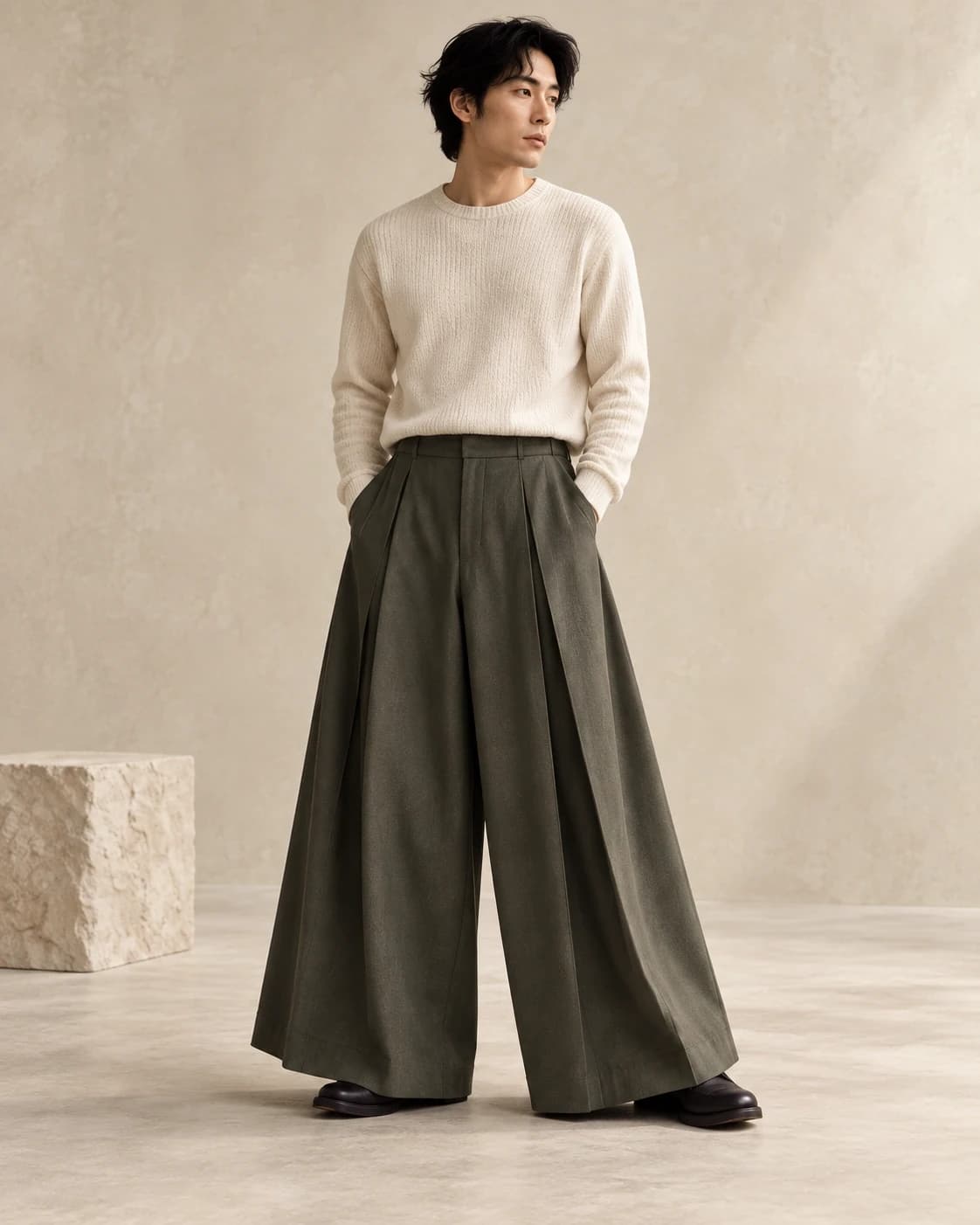
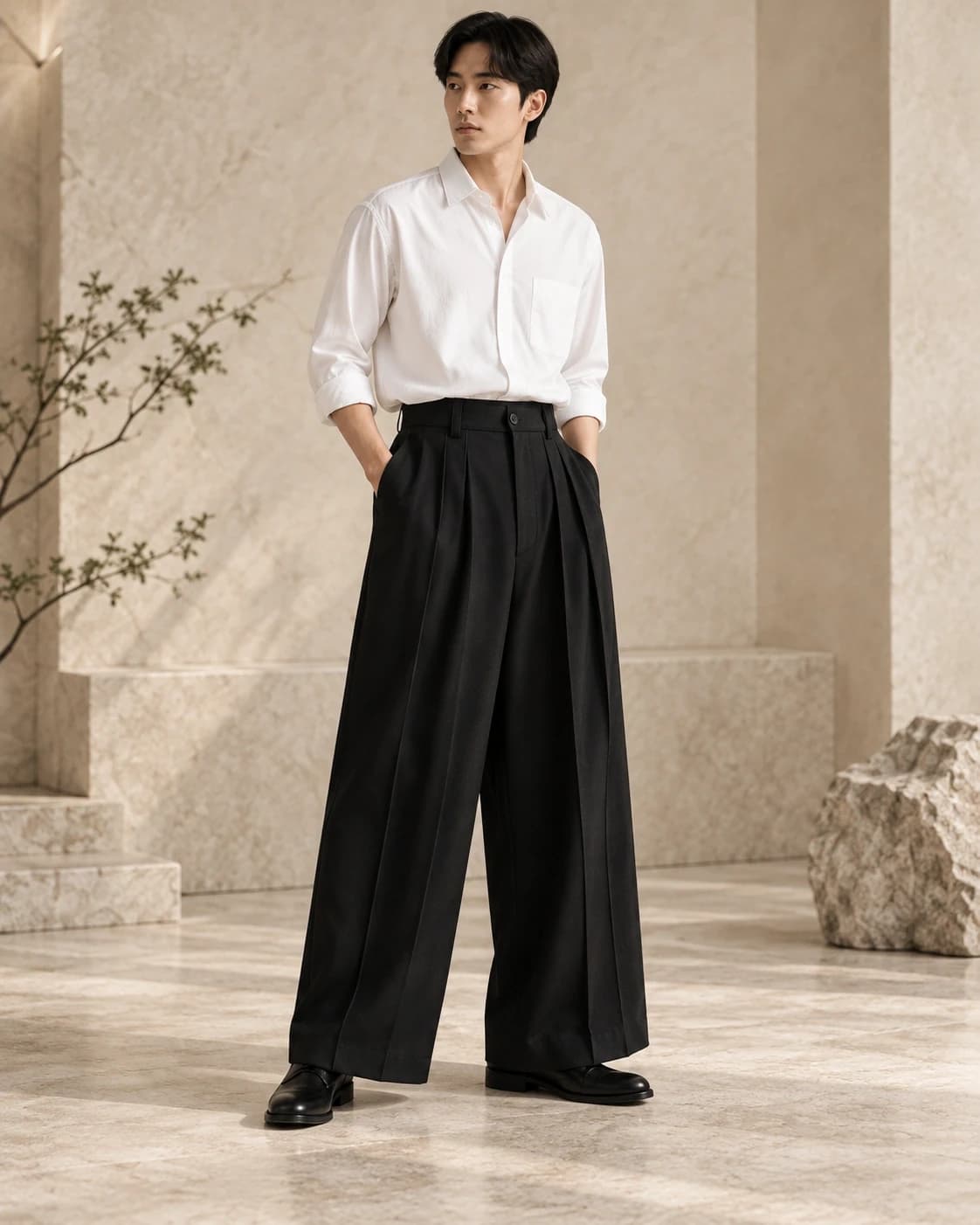
The Japanese Wide-Leg Hakama Pants in olive charcoal have extra-wide divided legs and a simple high waist. The Modern Japanese Hakama Pants in midnight indigo have minimal broad divided legs with pared-back pleats and a smooth waist. Both are listed in sizes S to XXL.
These are design concepts, and a concept image shows design intent only. To choose between them, compare the waist type, the colour, the listed sizes and the current price on each product page.
Frequently Asked Questions
What are hakama trousers?
They are wide-leg pleated trousers based on the Japanese hakama, typically with a flat or elastic waistband. They retain the pleats, the width and the high waist of the hakama but drop the ties and the back panel. They are worn as everyday clothes with shirts, knits and jackets. When buying, compare the waist type, leg width, length, pleats and colour.
Is it okay to wear hakama?
Yes, it is generally acceptable to wear hakama and hakama-style trousers. These garments are worn around the world in martial arts and in fashion. Wear them respectfully. If you are attending a dojo, a graduation or a ceremony, the setting has its own conventions, so check them and ask the instructor or host if you are unsure.
How much does a hakama cost?
There is no single price for a hakama. The cost depends on factors such as the cloth type, the pleats, the construction and any personalisation, and on whether it is sold as part of a set. A traditional tied hakama and a pair of hakama-style trousers are different products, so compare like with like and read the current figure on the product page.
Can I wear hakama casually?
Yes, hakama-style trousers are made for casual and smart casual outfits. Pair them with a plain fitted or cropped top and simple shoes, and keep the hem clear of the ground. A traditional tied hakama is less common as daily wear outside Japan and may read as formal or martial dress, so the trouser version is the easier choice for everyday use.
What is hakama and who wears it?
A hakama is a pleated Japanese lower-body garment tied at the waist, made in a divided umanori form or an undivided andon form. It is commonly worn by martial artists in aikido, kendo, iaido and kyudo, as well as in formal dress and at graduations. The conventions for wearing one vary by school and occasion.
Conclusion
When choosing hakama-style trousers, start with the waist type, then consider the leg width and the length in the shoes you will wear. Next, choose the pleat style and the colour that suit how you dress. Finally, read the listed details on the product page before placing an order. To see the casual designs side by side, browse the hakama streetwear collection.