Japanese harem pants is a Western shop label for baggy, low-crotch trousers with a Japanese look. In Japan, the related styles have their own names: hakama pants have deep pleats and wide divided legs, monpe gather at the waist and ankle, and tobi trousers balloon below the knee. Hakama pants are not a harem cut.
Key Takeaways
- The label: The name is a Western term for baggy, low-crotch trousers with a Japanese aesthetic.
- Hakama pants: They are distinct, with deep pleats and wide divided legs, and they are not a harem cut.
- Other Japanese cuts: Monpe gather at the waist and ankle, tobi trousers balloon below the knee, and sarouel-style cuts have a dropped crotch.
- How to choose: Decide on crotch depth, waist type and leg silhouette before you look at colour.
- What the store sells: Hakama Pant sells hakama and hakama pants, not harem, sarouel, monpe or tobi pants.
What 'Japanese harem pants' means
When you see this label on a listing, you're likely reading a Western term. This label is commonly used for baggy, low-crotch trousers that have a distinctly Japanese look. These pants often feature a relaxed fit, dropped crotch, and wide legs, making them popular in streetwear and fashion circles. However, the term is not how these garments are named in Japan, where specific styles have their own names and traditions.
Shops use the harem label to group many roomy cuts under one search-friendly name. This allows the same listing to show a dropped-crotch sarouel, a gathered monpe-style trouser, or a pleated hakama pant. For an accurate fit, read the product description for the crotch depth and waist instead of relying solely on the label.
The Japanese styles behind the label
Hakama pants
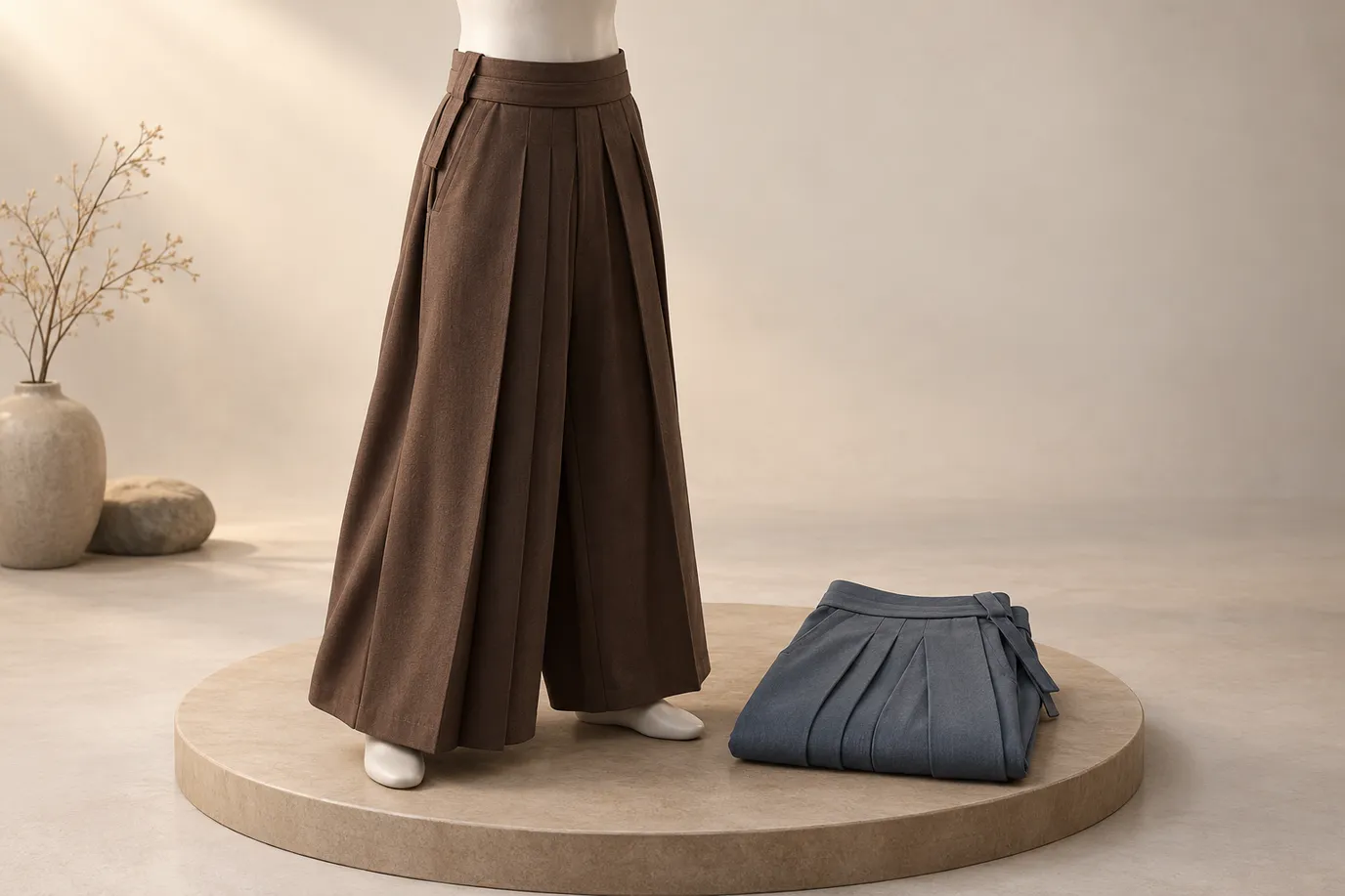
Hakama pants are based on a traditional Japanese garment known for its deep pleats and wide, divided legs. The hakama is often worn in martial arts like aikido, kendo, and iaido, as well as in formal settings. The deep front pleats and the wide, flowing silhouette make hakama pants a distinctive choice. They are not a harem cut, but rather a separate style with its own cultural significance and aesthetic.
Monpe
Monpe are another style of traditional Japanese trousers. These pants gather at the waist and ankle, with a roomy seat that is practical for work. Monpe are often seen in rural and working contexts, providing comfort and ease of movement. The gathered waist and ankle make them a versatile choice for various activities, from gardening to casual wear.
Tobi trousers
Tobi trousers, also known as tobi pants, are characterized by their balloon-like shape below the knee. These pants are often associated with construction workers and craftspeople, who value the roomy, comfortable fit. The ballooning effect below the knee provides ample space for movement, making tobi trousers a practical option for active work.
Sarouel-style cuts
Sarouel-style cuts, also known as genie pants or balloon pants, are a Western name for baggy, low-crotch trousers. These pants feature a dropped crotch and a wide, flowing silhouette, often with elastic at the waist and ankles. They are commonly described as inspired by Middle Eastern and Asian designs, and they have become a popular choice in modern fashion, including Harajuku and streetwear styles.

Harem pants vs hakama pants
Harem pants and hakama pants are two distinct styles, each with its own unique features and cultural significance. Harem pants are characterized by their low, dropped crotch and wide, flowing legs, often with elastic at the waist and ankles. They are a popular choice in modern streetwear and fashion, known for their relaxed and comfortable fit.
On the other hand, hakama pants have a more structured and traditional design. They feature deep front pleats and wide, divided legs, creating a distinctive silhouette. Unlike harem pants, hakama pants have a normal rise and are not designed with a dropped crotch. They are often associated with martial arts and formal occasions, offering both style and functionality.
The practical difference shows when you move. A dropped crotch in harem pants hangs between the knees and can limit a long stride, while the divided legs of hakama pants with a normal rise allow you to step and sit freely. The pleats of a hakama pant hold a vertical line, while a harem cut tends to drape and gather.
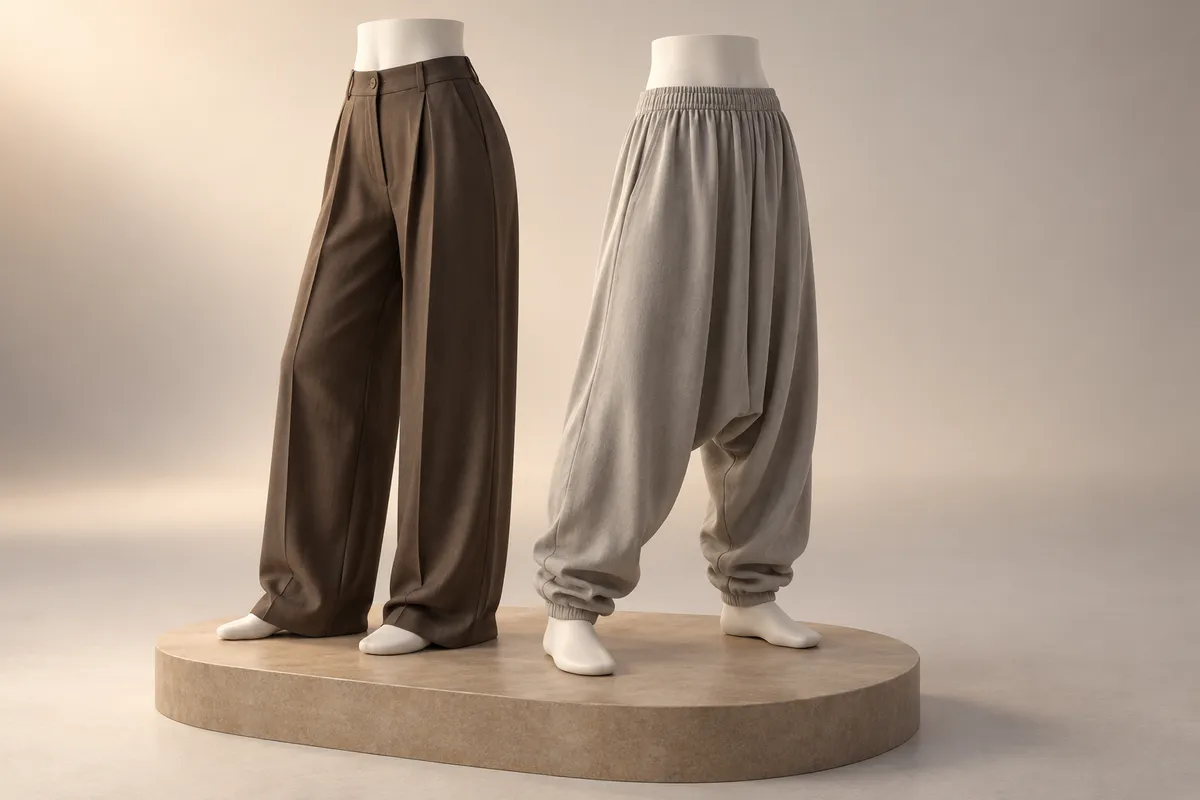
Japanese baggy pant styles compared
To help you understand the differences between these styles, here is a comparison by crotch depth, leg shape and pleat details.
| Style | Crotch and legs | Pleats |
|---|---|---|
| Harem / sarouel cut | Low dropped crotch, gathered ankle | Usually none |
| Hakama pants | Normal rise, wide divided legs | Deep front pleats |
| Monpe-style | Roomy seat, tapered ankle | Gathers, not pleats |
| Tobi trousers | Balloon below the knee, narrow ankle | Usually none |
Which style to choose
Choosing the right style of baggy Japanese pants depends on your personal preference and intended use. If you're looking for a structured, traditional look, hakama pants are the way to go. Their deep pleats and wide, divided legs give a clear silhouette for everyday outfits or more formal events. For a more relaxed and comfortable fit, harem pants or sarouel-style cuts might be more suitable. These styles are ideal for casual wear and streetwear, with their low crotch and wide legs providing ample room for movement.
To ensure the best fit, consider measuring the rise and outseam using the store's size guide. Hakama Pant lists its hakama pants in sizes S to XXL. Compare your own rise and outseam with the size guide to select the right size, and remember that the store does not sell harem, sarouel, monpe or tobi pants.

How to style baggy Japanese pants
Baggy Japanese pants can be styled in a variety of ways to suit different occasions and personal tastes. For a traditional look, pair hakama pants with a kimono, or keep it simple with a plain t-shirt and sneakers. The deep pleats and wide legs create a balanced silhouette that is both timeless and contemporary.
For a more modern and streetwear-inspired look, consider wearing harem pants or sarouel-style cuts with a graphic t-shirt and chunky sneakers. The relaxed fit and wide legs add a casual and trendy vibe to your outfit. Accessorize with statement jewelry or a stylish hat to complete the look.
When styling any baggy Japanese pant, follow a few proportion rules: keep the top shorter or tucked to show the waist, choose one roomy piece per outfit, make sure the hem clears the ground in your usual shoes, and keep colours simple so the shape stays the focal point. The same rules work for a pleated hakama pant and for a softer harem cut.
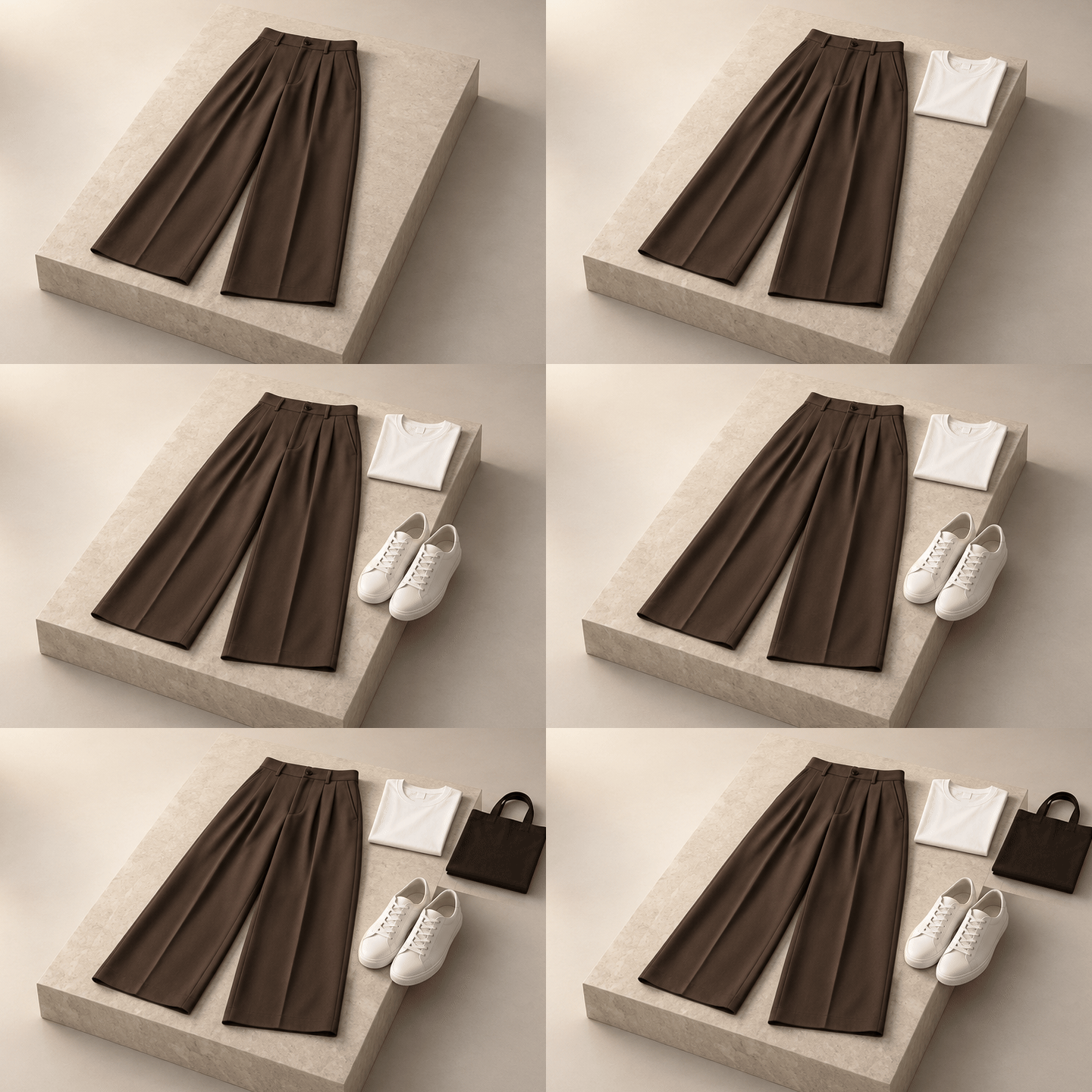
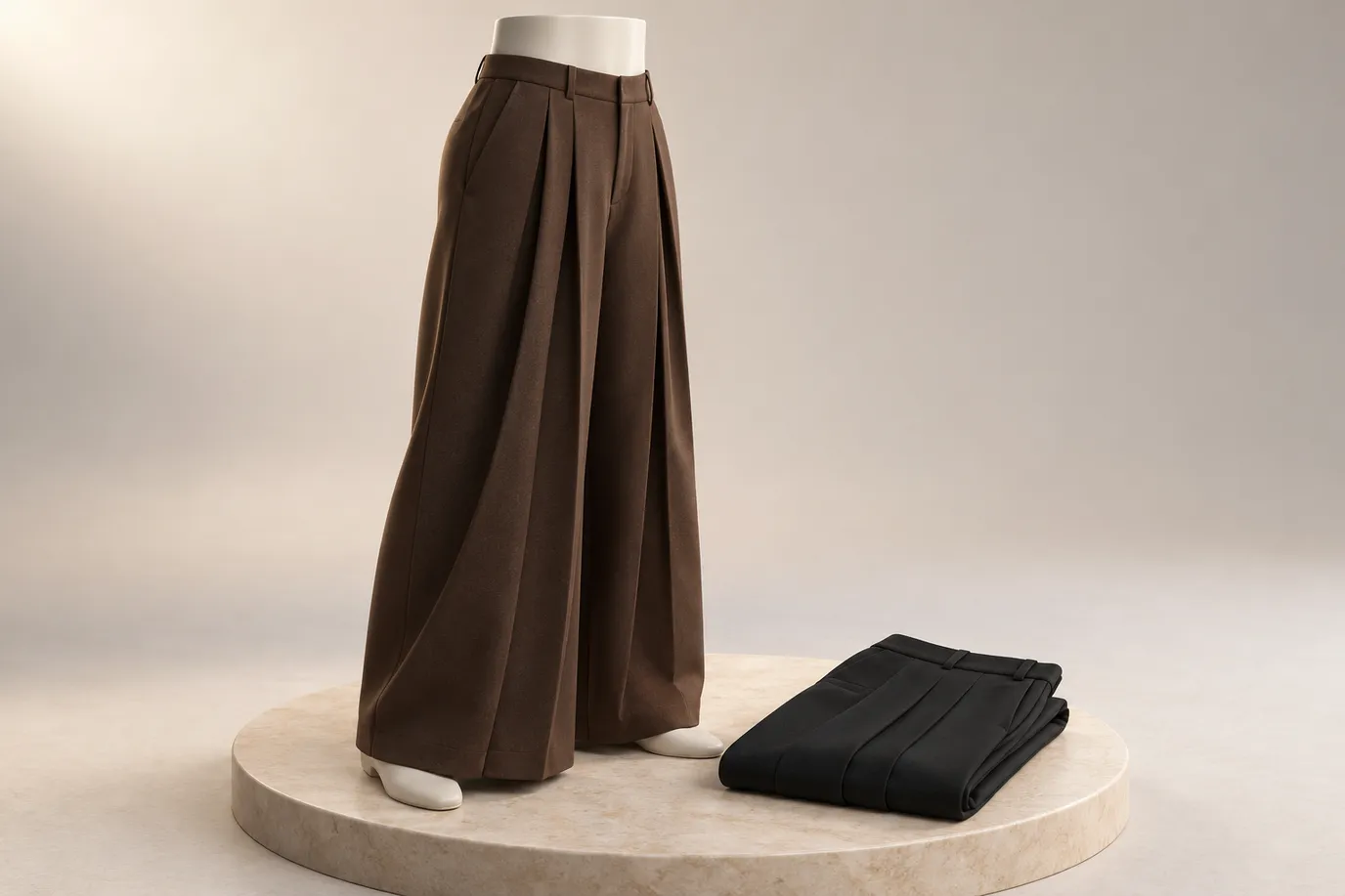
Hakama Pant designs with volume
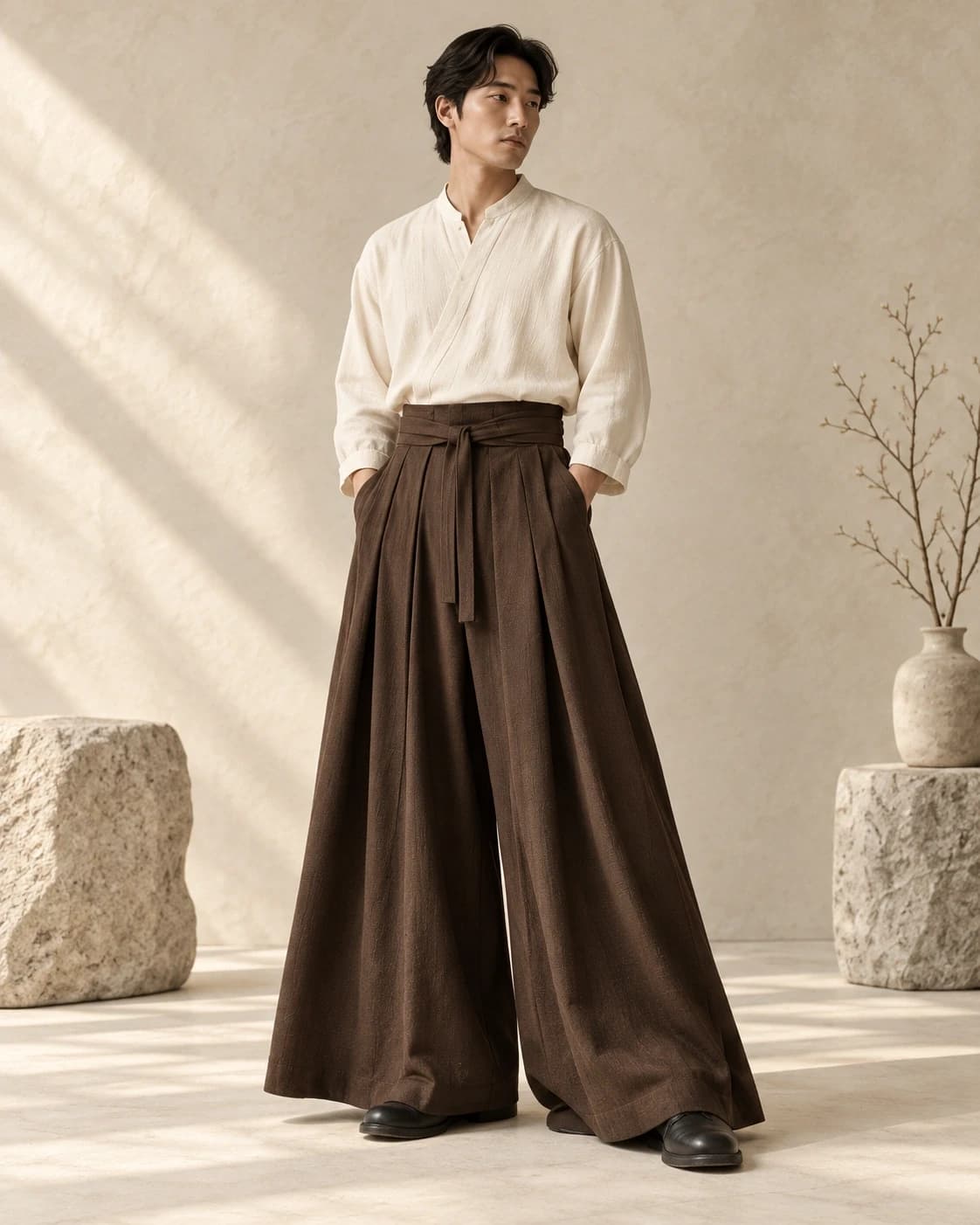
The Japanese Hakama Pants are espresso brown with generous, flowing divided legs and a warm neutral minimalist design, in listed sizes S to XXL.
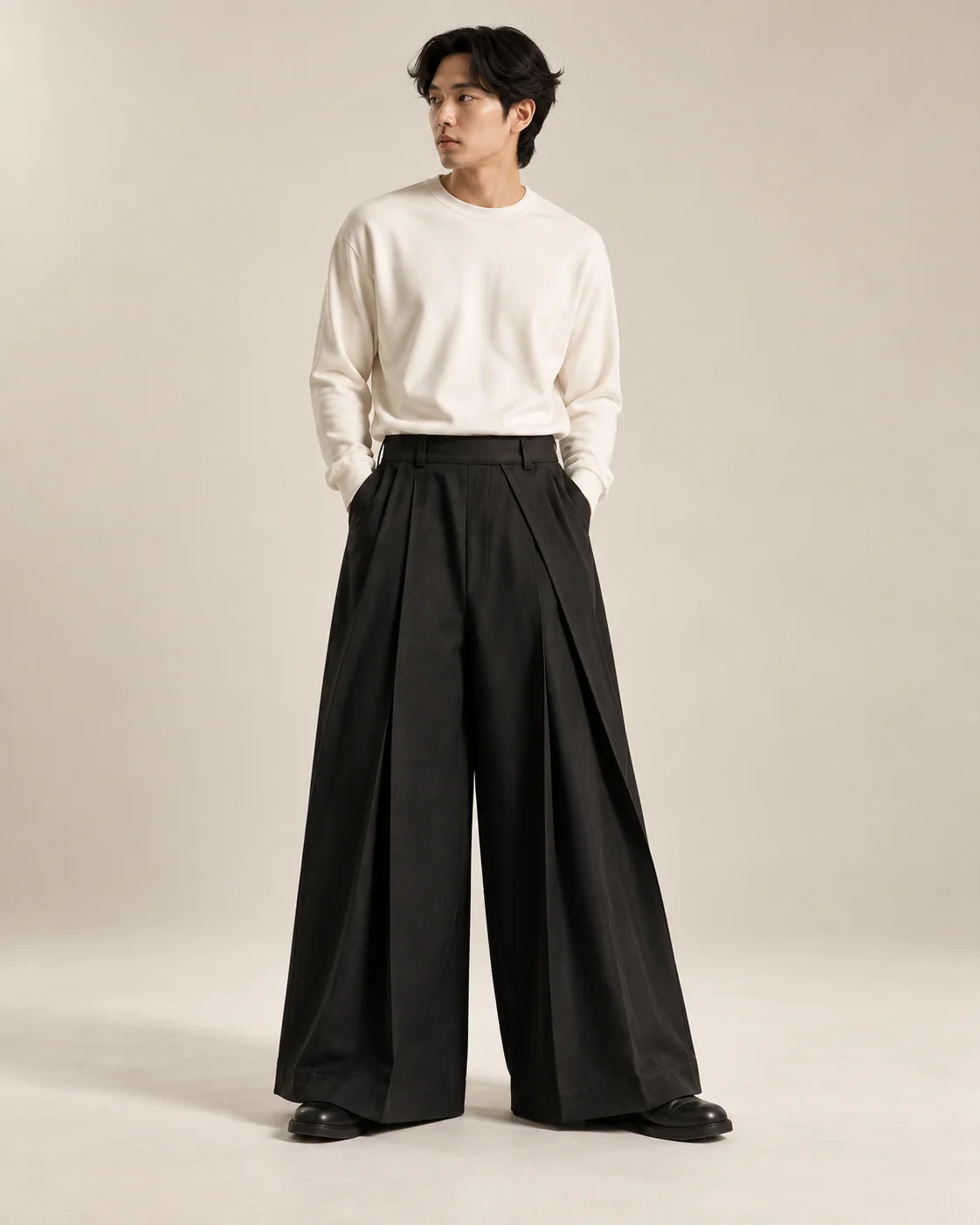
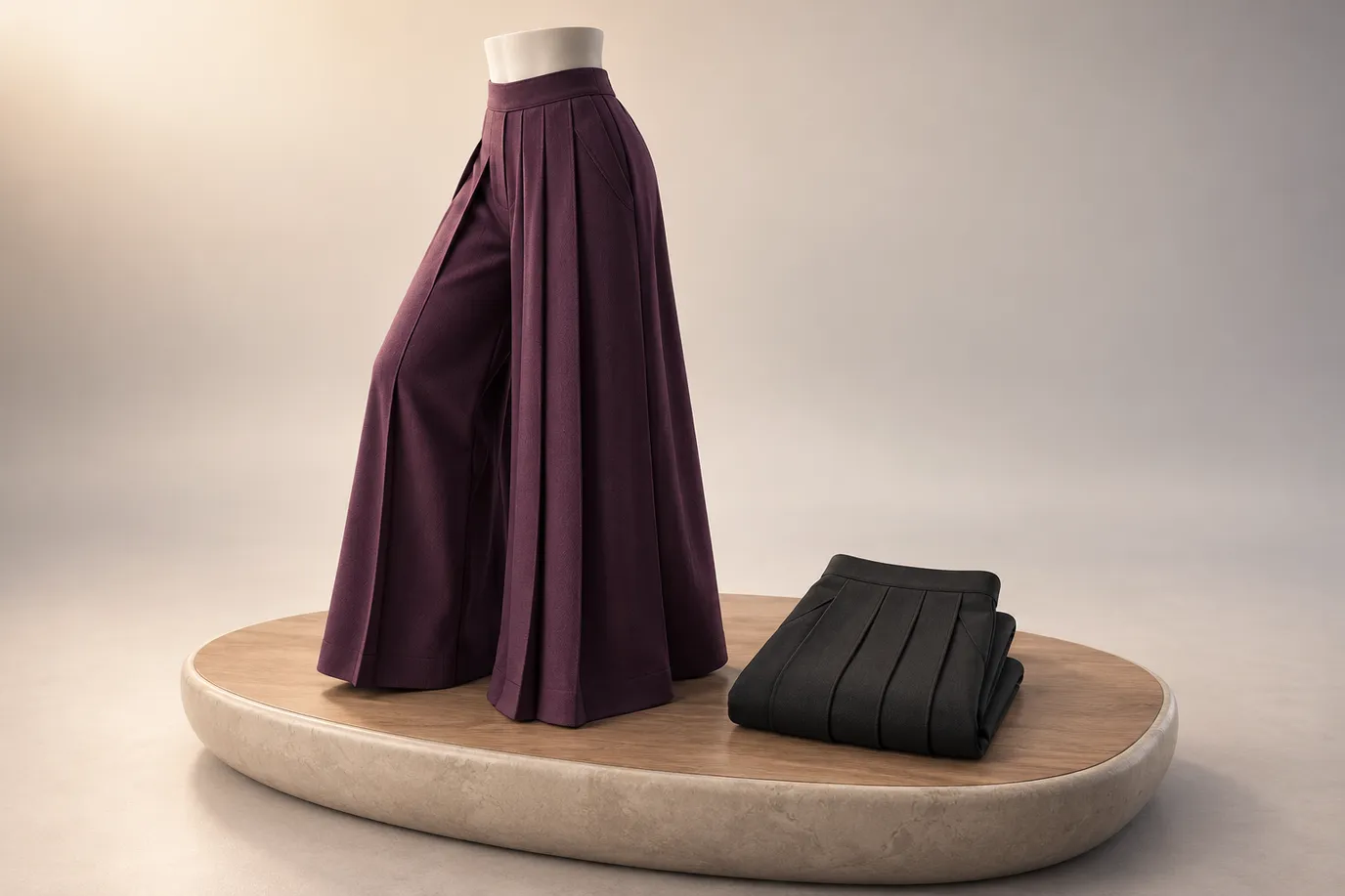
The Detachable-Skirt Hakama Pants are black, with a modular asymmetrical removable over-panel over broad pleated trousers, in listed sizes S to XXL.
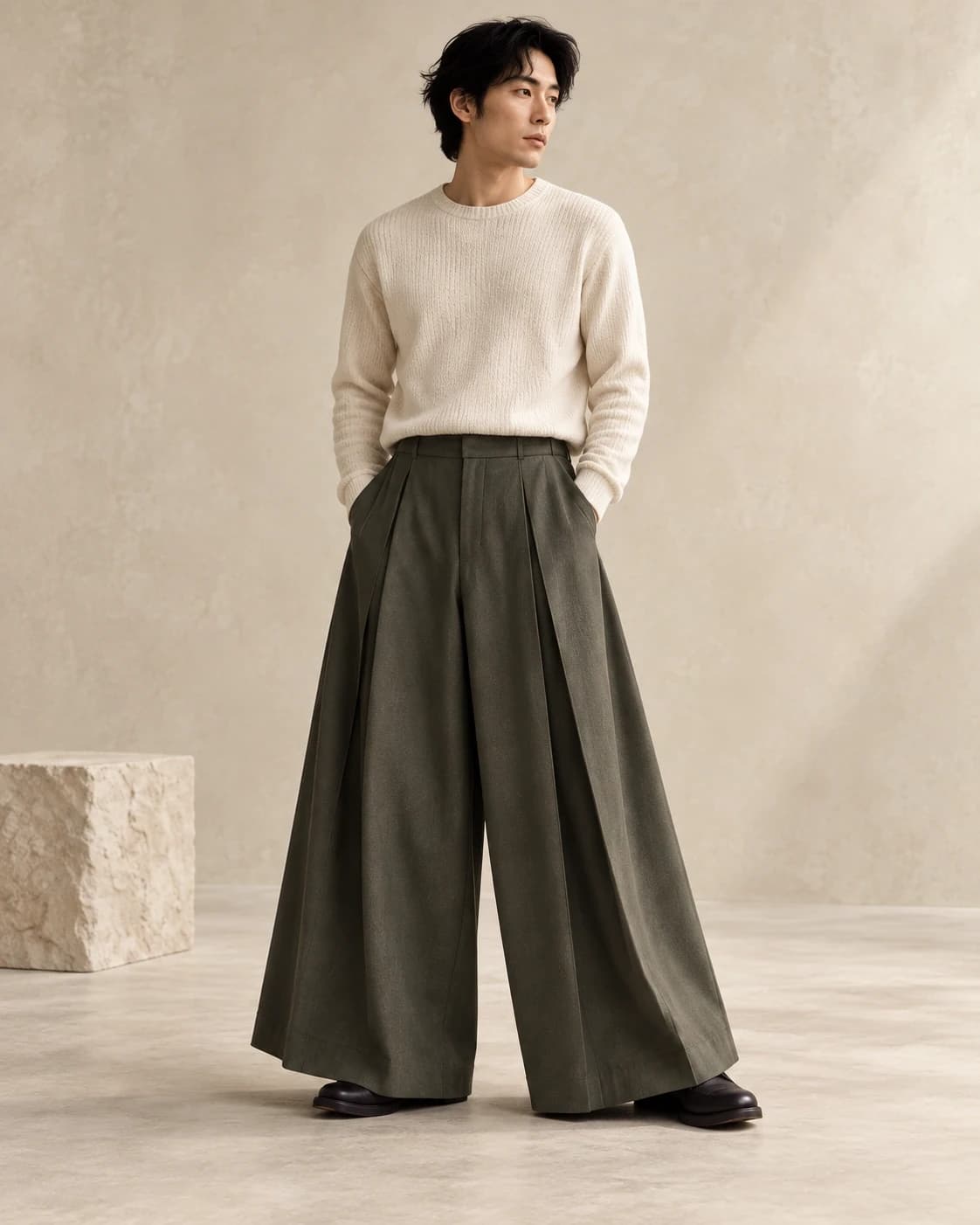
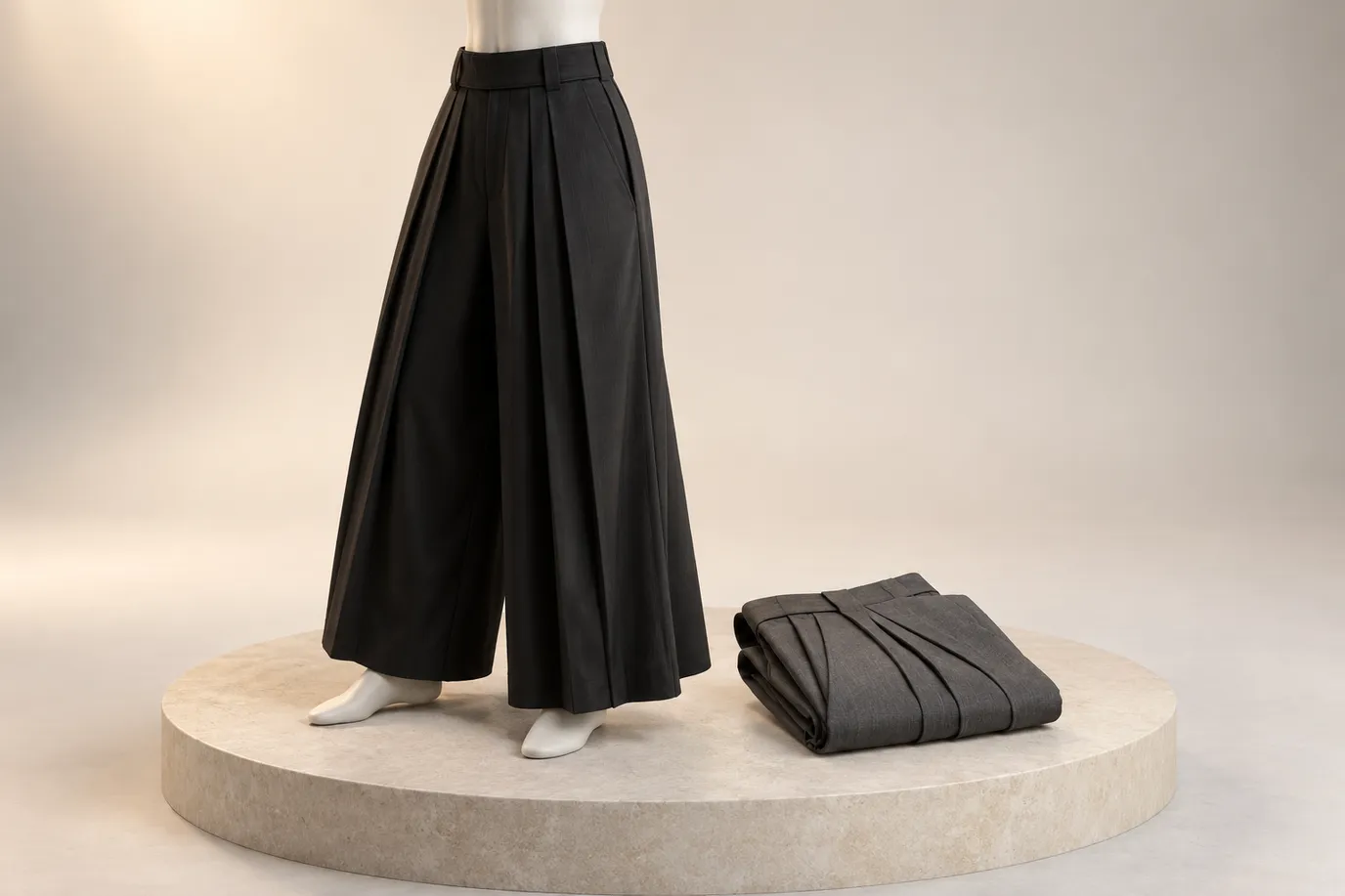
The Black Streetwear Hakama is black, with dramatic monochrome volume, longer front pleats and darkwear styling, in listed sizes S to XXL.
Check the waist type, colour, and listed sizes on each product page before choosing.
Frequently Asked Questions
What are those baggy Japanese pants called?
Those baggy Japanese pants are known as hakama pants, monpe, and tobi trousers. In Western shops, they are often labeled as harem pants. Hakama pants feature deep pleats and wide divided legs, monpe gather at the waist and ankle, and tobi trousers balloon below the knee and narrow at the ankle. Knowing the right name makes it easier to find the cut you actually want.
What are harem pants called?
Harem pants are also known as sarouel pants, genie pants, drop-crotch pants, or balloon pants. These styles are characterized by their baggy, low-crotch design. In Japan, similar-looking styles have their own names, such as hakama pants, monpe, and tobi trousers, and each of them is cut differently from a true harem pant.
What are Japanese tobi pants?
Japanese tobi pants, also known as tobi trousers, are workwear trousers that balloon below the knee and narrow at the ankle. They are traditionally linked to construction and scaffolding workers in Japan and are often worn with split-toe tabi boots. The extra room around the knee is commonly explained as giving freedom of movement when climbing and crouching.
What are the best harem pants?
The best harem pants depend on your personal style and comfort preferences. Check the crotch depth, waist type, ankle finish, and length to find the style that suits you best. If you like volume but want a normal rise and pleats, a hakama pant is a different cut worth comparing before you decide.
Conclusion
When shopping for Japanese harem pants, it's important to understand the differences between harem pants and traditional styles like hakama pants, monpe, and tobi trousers. Each style offers a unique silhouette and level of comfort, so consider your preferences and intended use when making a choice. Decide whether you want a dropped crotch or a normal rise with pleats before you shop.